Inquiry
2026-02-06
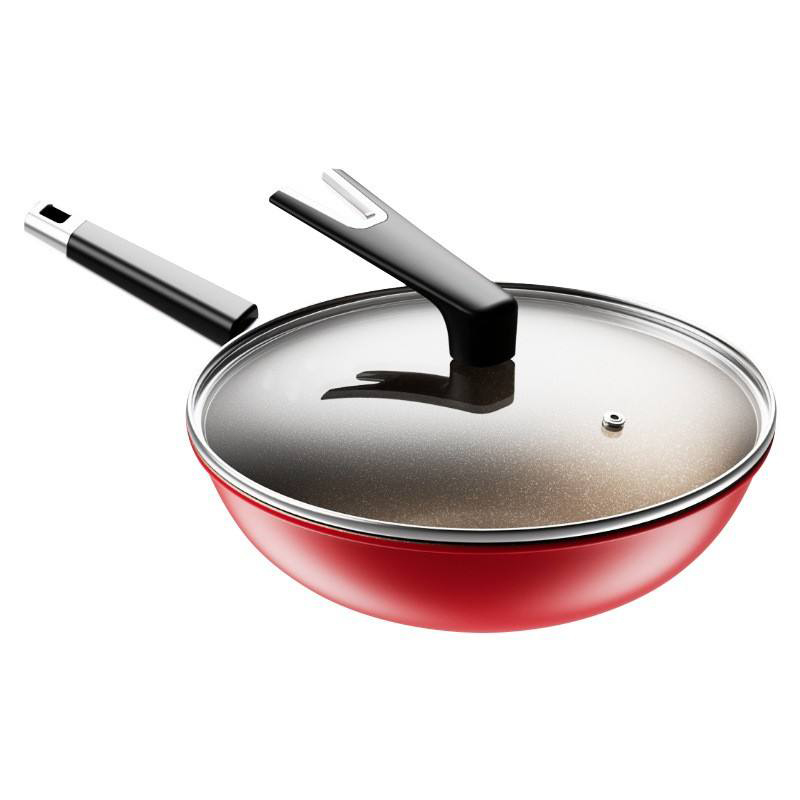
In everyday home kitchens, household frying pans remain essential tools that quietly shape how meals are prepared. From early-morning eggs to evening stir-fries, these pans support daily cooking without requiring complicated techniques. Their role extends beyond heating food, influencing safety, efficiency, and how different ingredients respond to heat across varied cooking tasks.
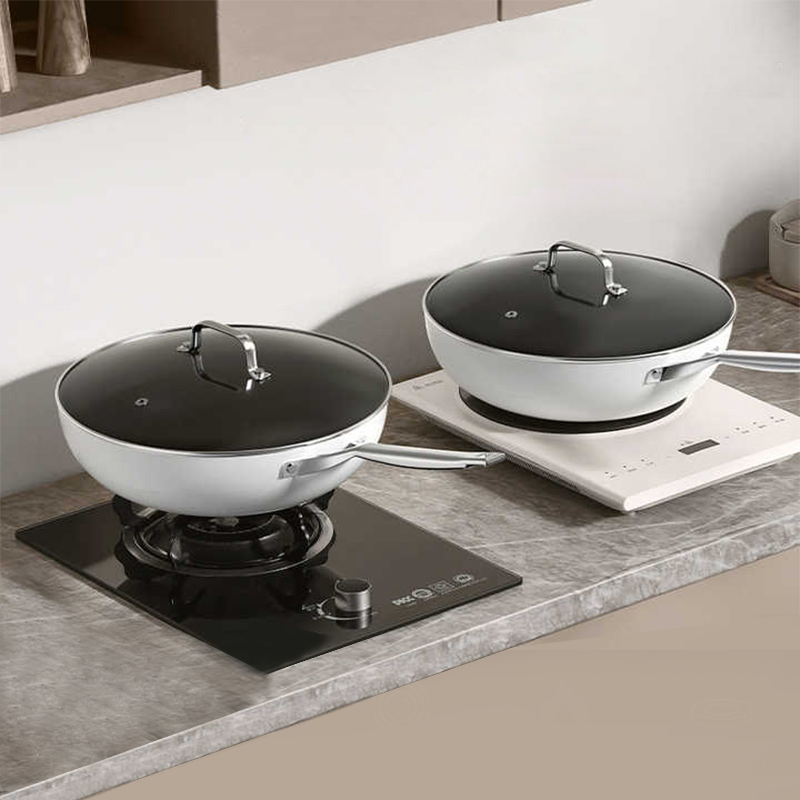
Material safety has become an important factor in household frying pan selection. Many home cooks prefer pans made from stable metals and composite structures that do not rely on added chemical surface treatments. In regular home use, cookware is exposed to repeated heating, cooling, and contact with food ingredients.
This preference has increased interest in cookware that emphasizes material transparency. Pans constructed without applied chemical coatings rely on their base materials and surface finishing to manage cooking behavior. In daily kitchens, this supports confidence during tasks such as frying eggs or preparing meals for children, where material stability is valued alongside performance.
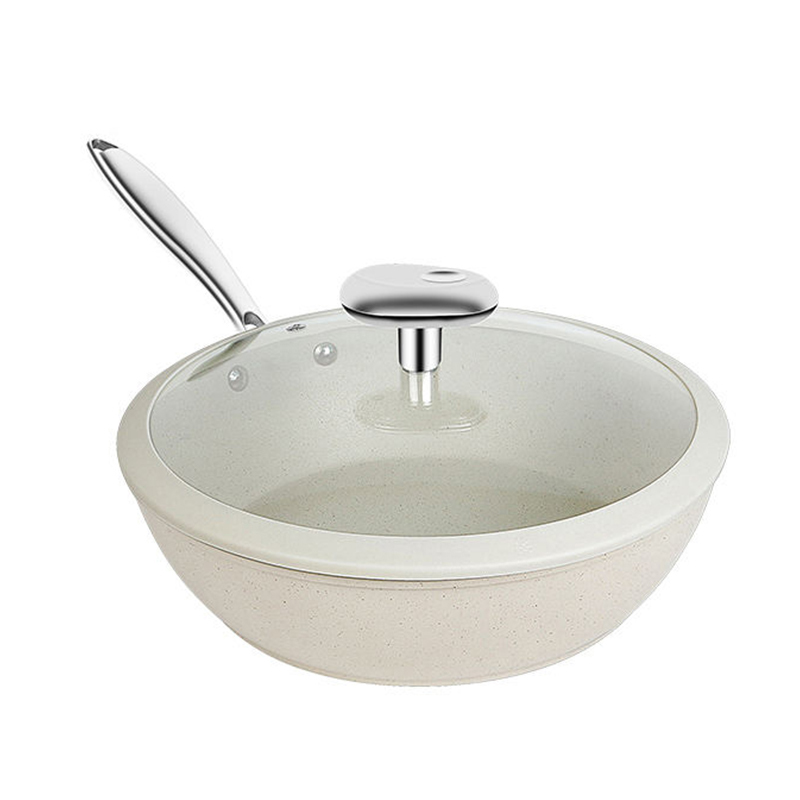
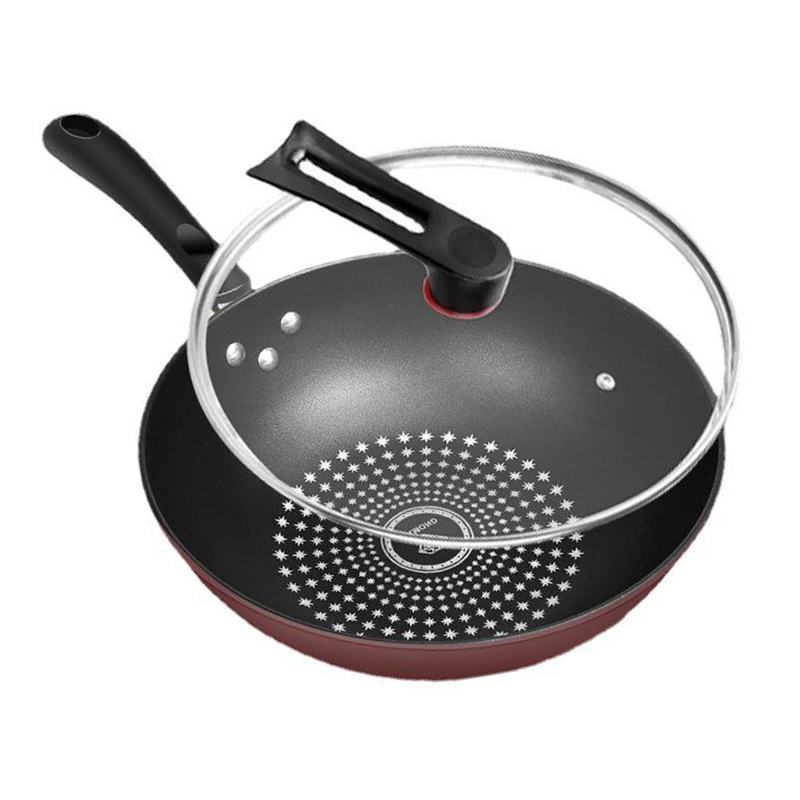
Composite frying pan construction has also become common in modern households. These designs often combine a conductive metal core with an engineered surface layer to balance heat distribution and surface control. The metal core improves heat transfer, allowing the pan to reach and maintain cooking temperature more efficiently, while the surface layer supports smoother cooking and easier food release. This layered structure helps reduce localized overheating, which can affect food texture during frying or sautéing. In everyday use, composite pans offer more predictable performance across different stovetops, including gas and electric surfaces. The combination of materials also supports structural stability, helping the pan maintain its shape after repeated heating cycles.
Composite household frying pans often provide:
This structure allows pans to handle varied cooking techniques without changing cookware.
Cooking versatility is another practical reason household frying pans remain heavily used. A single pan may be used to prepare eggs, vegetables, meats, or flatbreads on the same day. Each food type benefits from different surface areas and pan depths, making size selection an important factor in daily cooking efficiency.
Common household frying pan sizes and their typical uses include:
Using an appropriately sized pan helps maintain consistent cooking temperatures and reduces overcrowding, which can affect food texture.
Heat control plays a direct role in food quality. A frying pan that distributes heat evenly allows eggs to cook without sticking, vegetables to retain texture, and flatbreads to brown evenly. Kitchen performance observations show that stable heat distribution reduces the need for constant movement of ingredients, allowing more predictable results.
Handling comfort supports safe and efficient use. Household frying pans are frequently lifted, tilted, and transferred between surfaces. Balanced weight distribution and secure handles reduce strain during repeated movements.
Cleaning behavior also affects how often a frying pan remains part of daily routines. Smooth, well-finished surfaces allow food residue to release more easily after cooking.
Durability supports long-term household planning. Frying pans experience repeated thermal stress and utensil contact. Well-constructed household frying pans maintain surface integrity and shape stability over extended use. Household usage patterns indicate that durable pans often remain functional for several years, supporting predictable replacement cycles.
In daily cooking environments, household frying pans support safe material use, adaptable cooking performance, and size-specific food preparation. By combining stable materials, composite construction, and practical sizing, household frying pans continue to support everyday meals across a wide range of home kitchens.
Recommended Products


NEWDREAM: +86 13646697735
HUANGXUKITCHENWARE: +86 19557954954


Donggao Fenghuangshan Industrial Zone, Tongqin Town, Wuyi County, Jinhua City, Zhejiang Province, China
Copyright © Wuyi Huangxu Industry & Trade Co., Ltd. All Rights Reserved.
Cookware Factory

 English
 русский
 日本語
日本語 Español
 Deutsch