Inquiry
2026-02-27
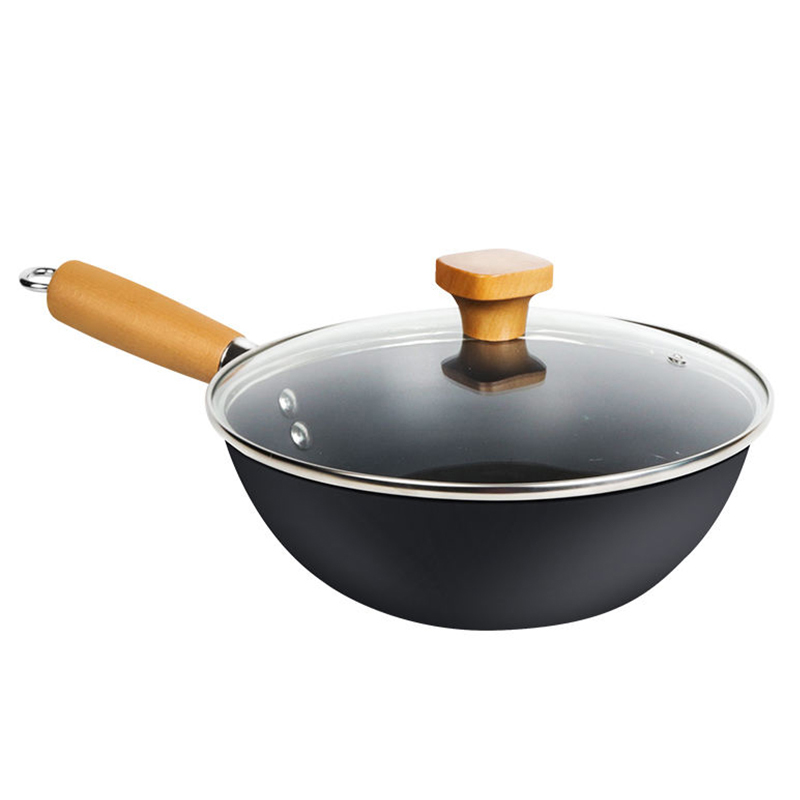
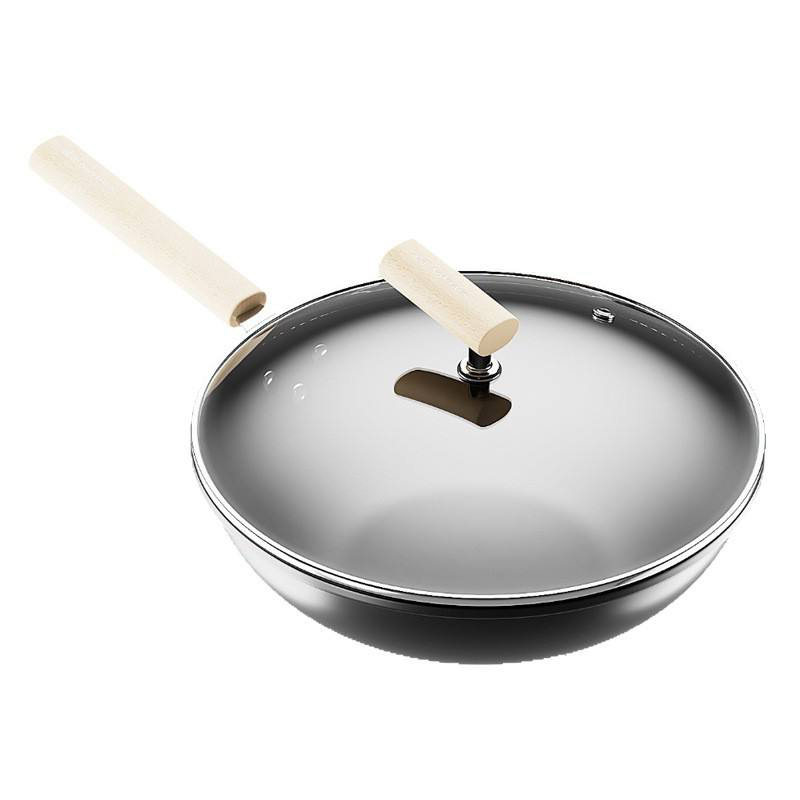
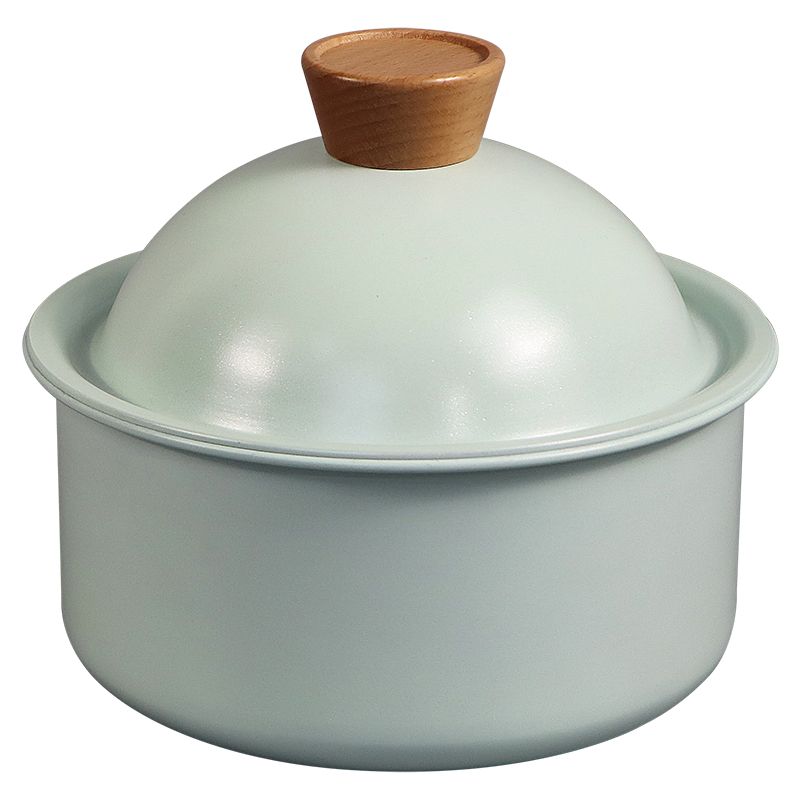
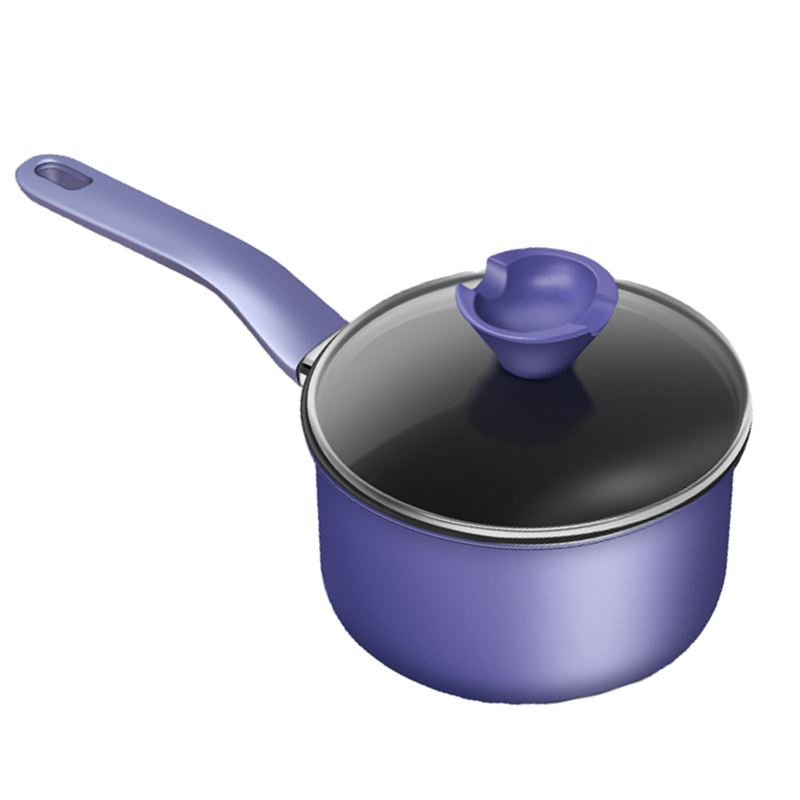
In modern home kitchens, die-cast aluminum cookware is recognized for its fast and even heat distribution, lightweight handling, and versatile performance. Many home cooks choose it for tasks that require rapid temperature adjustments, such as frying vegetables, searing meats, or preparing delicate dishes like pancakes.
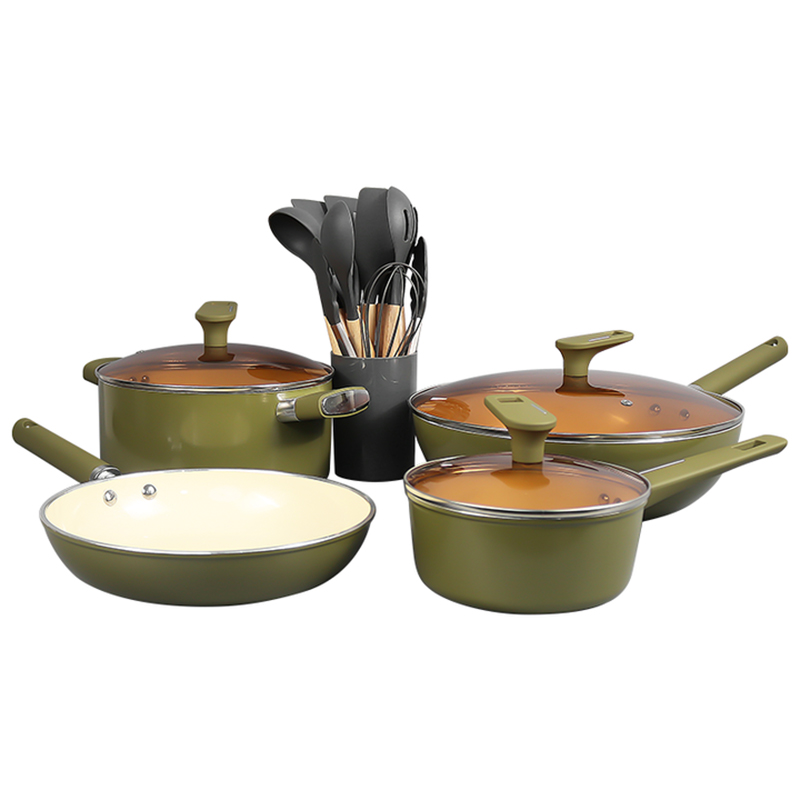
Die-cast aluminum cookware is produced by pouring molten aluminum into precise molds, resulting in a dense, uniform pan body. This manufacturing process ensures high thermal conductivity, meaning the cookware heats quickly and evenly across the cooking surface. Faster heat response allows cooks to adjust temperature efficiently without long wait times.
Practical advantages of die-cast aluminum include:
This even heat flow helps avoid hot spots, which can burn ingredients, and ensures that dishes like stir-fried vegetables or eggs cook with consistent texture.
A frequent topic of discussion around die-cast aluminum is its interaction with food. While aluminum naturally reacts with highly acidic or alkaline foods, modern die-cast pans are often finished with safe, non-reactive coatings. Many manufacturers now offer environmentally friendly, PTFE- and PFAS-free surfaces, which allow the benefits of aluminum without concerns about chemical transfer.
Health and safety features in modern die-cast aluminum cookware:
These innovations allow cooks to enjoy the fast heat response and even cooking of aluminum without compromising health considerations.
Die-cast aluminum cookware is suitable for diverse kitchen tasks. Its lightweight, evenly heated surfaces support multiple cooking methods, including:
Its responsive thermal behavior makes it especially useful when transitioning between high-heat searing and gentle simmering.
Advantages in daily cooking include:
This versatility makes die-cast aluminum cookware a go-to option for cooks who value both speed and precision.
Modern die-cast aluminum cookware often features coatings designed to reduce sticking while maintaining environmental safety. Unlike older non-stick surfaces that relied on PTFE or PFAS, these coatings focus on durability, food safety, and eco-friendly production.
Benefits of eco-conscious coatings:
By combining rapid heat response with safe coatings, die-cast aluminum cookware meets both performance and health expectations in contemporary kitchens.
Handling and durability considerations:
In daily kitchen use, die-cast aluminum cookware provides responsive cooking, even heat distribution, and environmentally conscious surface treatment. Its combination of thermal efficiency, versatile design, and safe coatings makes it suitable for cooks who value both performance and health-conscious cooking.
Q1: What makes die-cast aluminum cookware heat evenly?
Its dense, molded aluminum body conducts heat uniformly, preventing hot spots and ensuring consistent cooking.
Q2: Are there health concerns with aluminum cookware?
Modern die-cast aluminum cookware often uses PTFE- and PFAS-free coatings to prevent chemical transfer and maintain safe cooking surfaces.
Q3: Which foods are ideal for cast aluminum cookware?
Vegetables, eggs, meats, pancakes, and delicate sauces benefit from rapid and even heating.
Recommended Products


NEWDREAM: +86 13646697735
HUANGXUKITCHENWARE: +86 19557954954


Donggao Fenghuangshan Industrial Zone, Tongqin Town, Wuyi County, Jinhua City, Zhejiang Province, China
Copyright © Wuyi Huangxu Industry & Trade Co., Ltd. All Rights Reserved.
Cookware Factory

 English
 русский
 日本語
日本語 Español
 Deutsch