Inquiry
2025-12-19
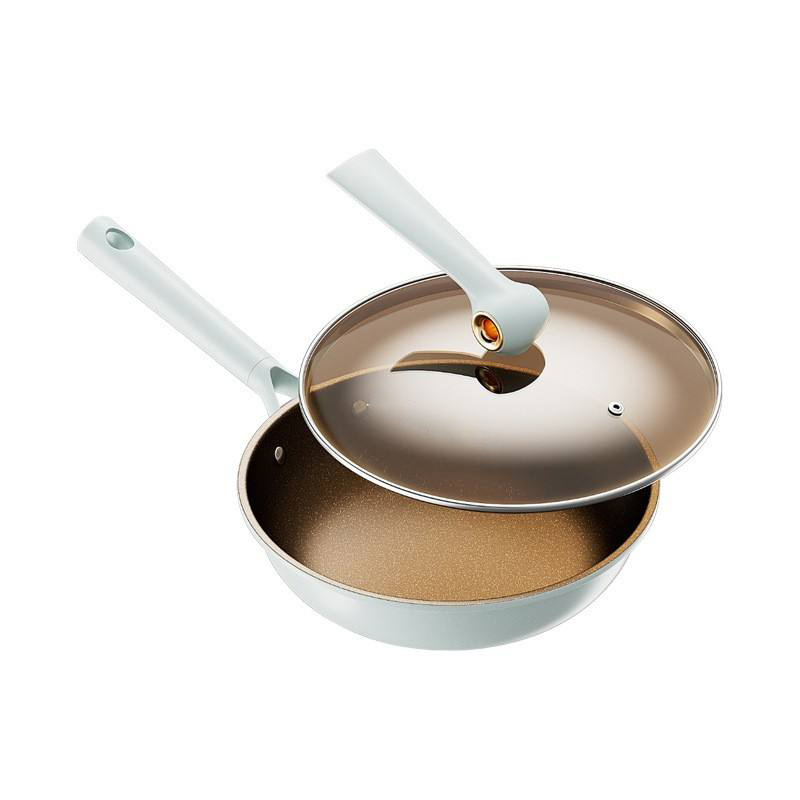
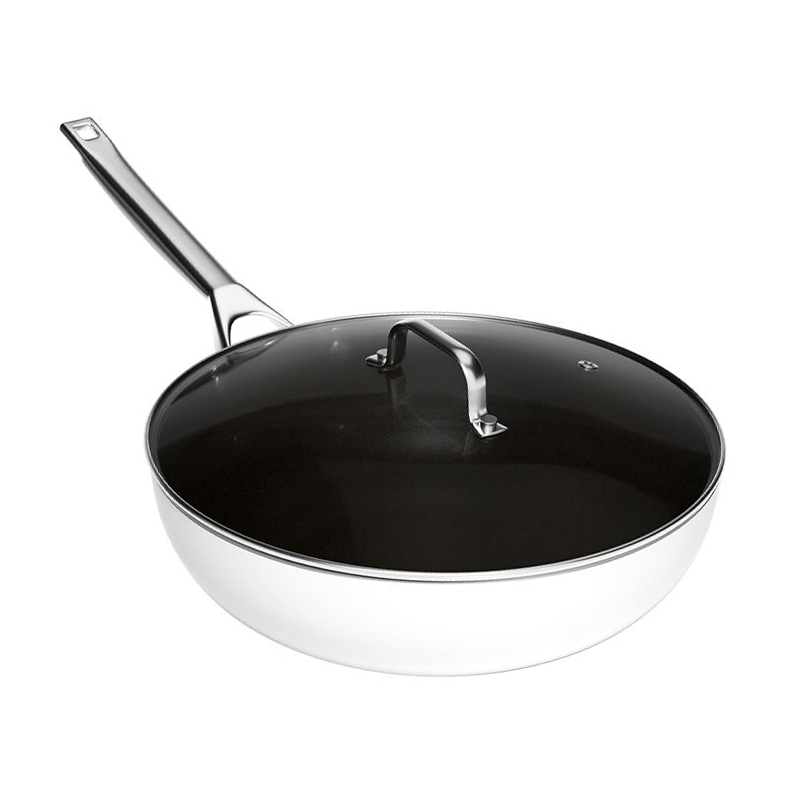
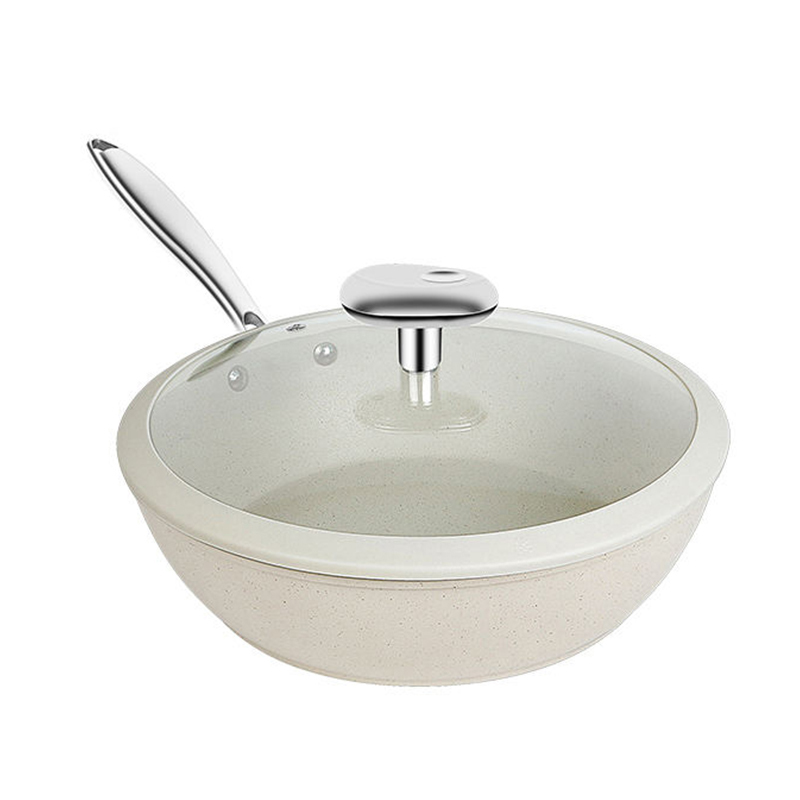
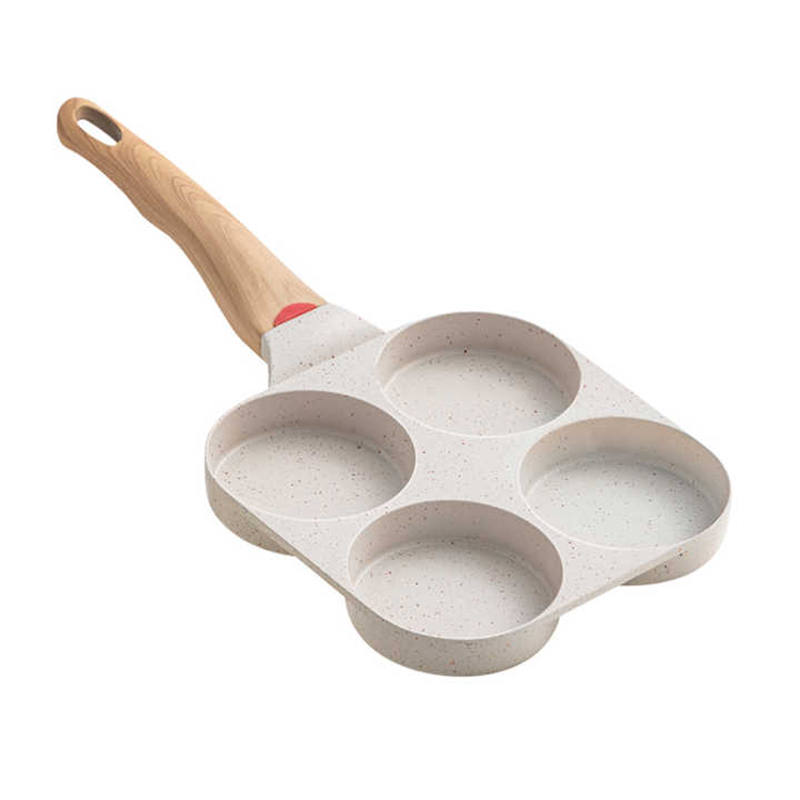
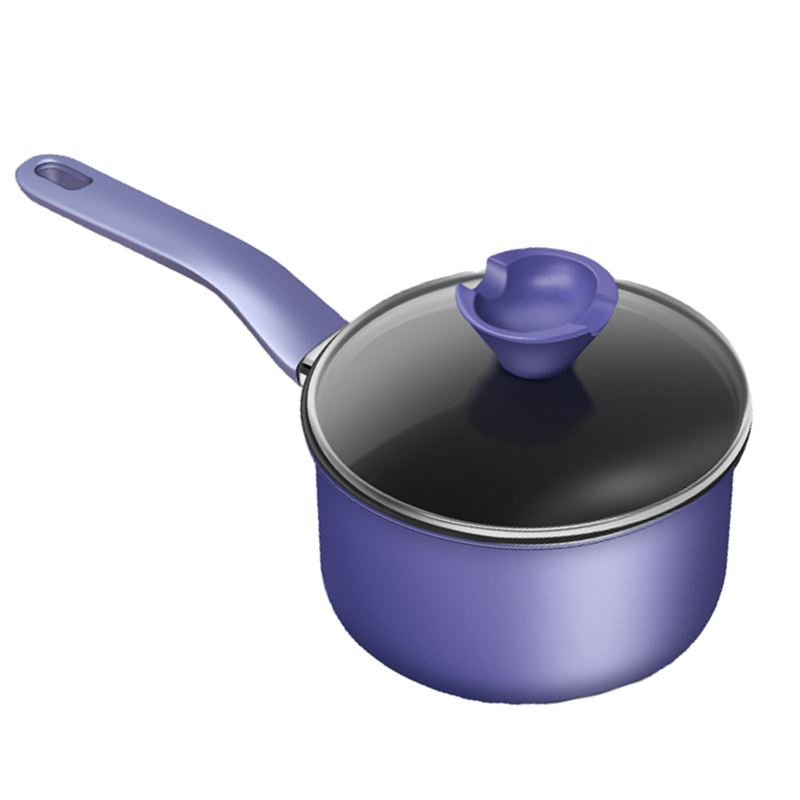
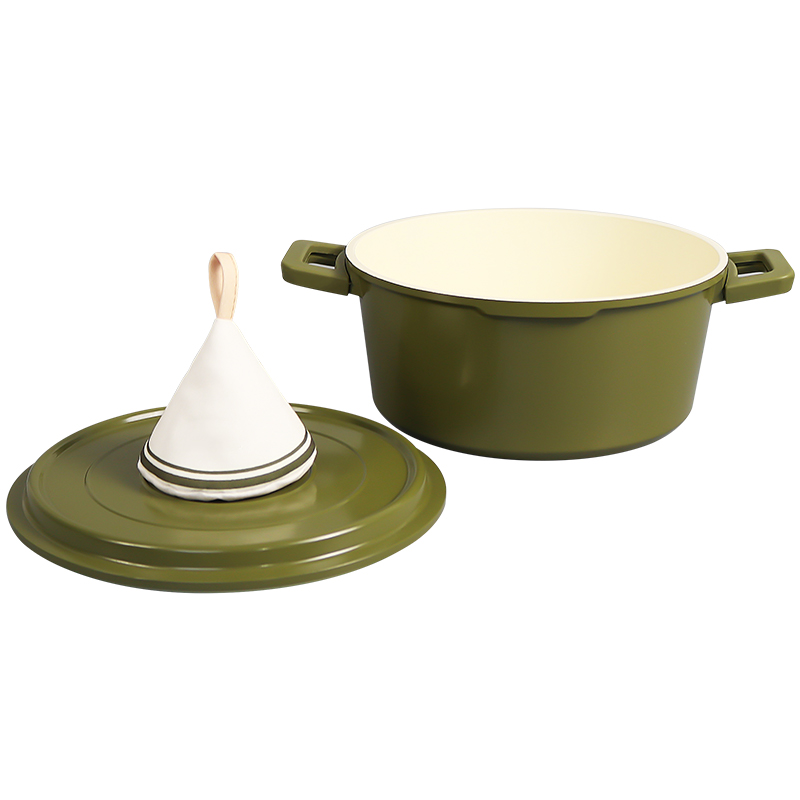
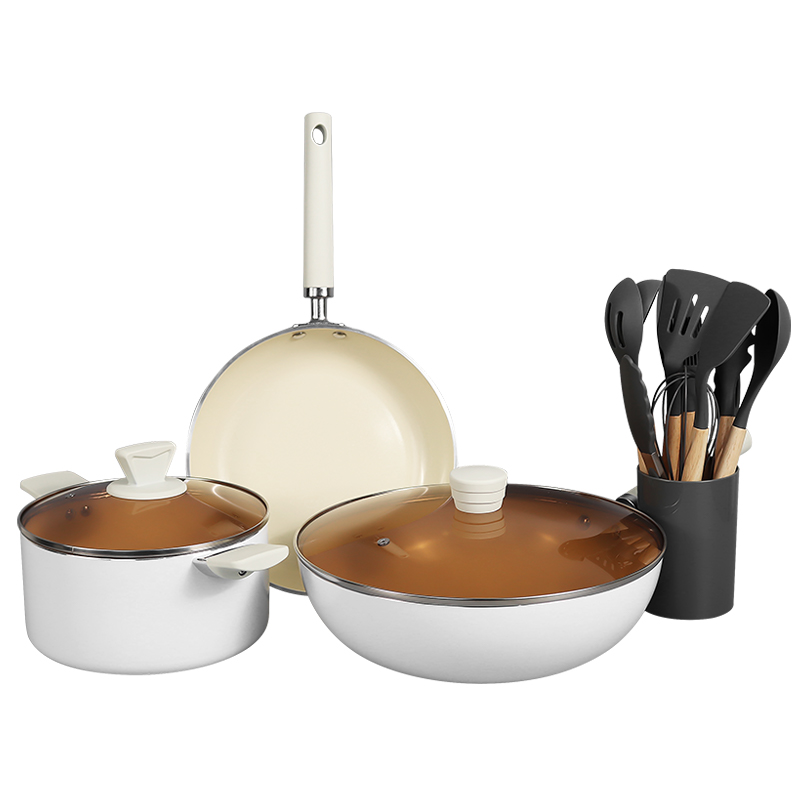
Die-cast aluminum cookware has gained steady recognition for its balanced performance, practical structure, and suitability for a wide range of everyday cooking tasks. The die-casting process forms the aluminum body under controlled pressure, creating a dense and uniform base. This helps the cookware distribute heat across the surface in a stable manner, which is useful for preparing meals that require consistent temperature control. Compared with cookware made from stamped or thin aluminum sheets, die-cast pieces generally provide a firmer structure that supports steadier heat flow and reduces the likelihood of uneven heating.
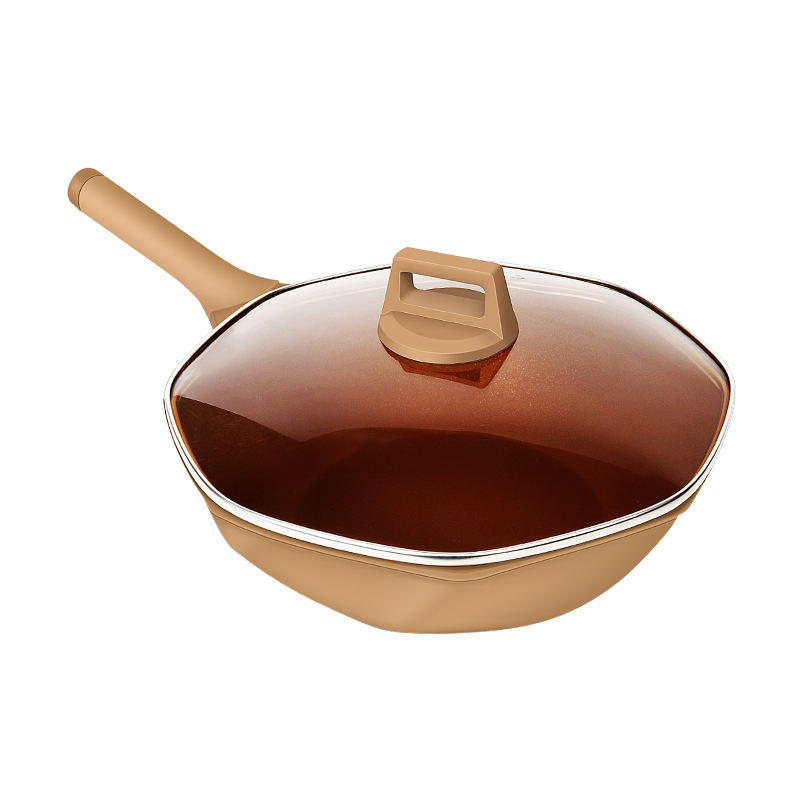
A key aspect of this material is its manageable weight. Many households look for cookware that can be lifted and handled without unnecessary strain, especially during steps such as stirring, pouring, or transferring dishes between the stove and table. Die-cast aluminum offers a lighter profile than some multi-layer metal pans while still delivering a dependable cooking surface. Its smooth alloy and optional coating layers also contribute to convenient cleaning routines, allowing users to maintain their cookware with simple washing habits.
Core Advantages
Coating selection is an important factor because coatings help prevent food from sticking and create a barrier between ingredients and the cookware surface. Ceramic coatings can provide a firmer texture, while traditional non-stick layers offer a softer glide when cooking delicate items. Alongside this, many cookware labels detail their coating composition and general compliance information, helping buyers make decisions based on preferred materials and cooking habits.
To provide a clearer overview, the table below outlines common categories and characteristics that frequently appear in discussions of die-cast aluminum cookware:
| Feature Category | General Characteristics |
|---|---|
| Thermal Performance | Consistent heat spread, limited temperature fluctuation |
| Weight & Handling | Lighter than many steel or cast-iron options |
| Cleaning & Care | Smooth surfaces, supports typical household detergents |
| Coating Selection | Ceramic, non-stick, and granite-style finishes |
| Stovetop Compatibility | Gas, electric, ceramic; some models fit induction |
Beyond heating performance, die-cast aluminum cookware also suits various kitchen routines. Its quick heat response allows cooks to adjust temperatures efficiently when shifting from low simmering to medium frying. This characteristic is helpful for small daily meals, batch cooking, or preparing ingredients that benefit from responsive heat adjustments. The base structure, often reinforced in many designs, also supports stability on flat stovetop surfaces, reducing wobbling and promoting steady contact with the heat source.
Additional practical considerations include:
Some die-cast aluminum cookware pieces feature induction-compatible bases, extending usability to households with mixed stovetop types. This allows one cookware set to remain functional even when kitchen appliances are upgraded or replaced. In addition, the material’s heat retention characteristics help maintain stable temperatures once preheated, supporting energy-conscious cooking habits.
Overall, die-cast aluminum cookware combines steady heating behavior, practical weight, coating-enhanced performance, and compatibility with multiple stovetop formats. Its balance of convenience and functionality allows it to integrate well into modern cooking routines, making it a suitable choice for households that value dependable cookware for everyday meal preparation.
Recommended Products


NEWDREAM: +86 13646697735
HUANGXUKITCHENWARE: +86 19557954954


Donggao Fenghuangshan Industrial Zone, Tongqin Town, Wuyi County, Jinhua City, Zhejiang Province, China
Copyright © Wuyi Huangxu Industry & Trade Co., Ltd. All Rights Reserved.
Cookware Factory

 English
 русский
 日本語
日本語 Español
 Deutsch