Inquiry
2025-12-12
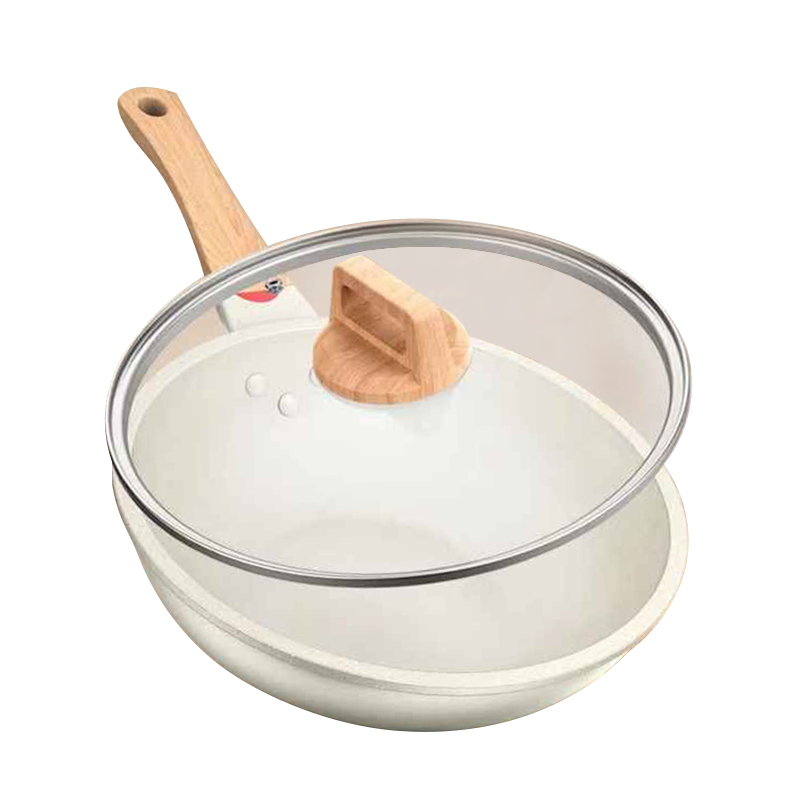
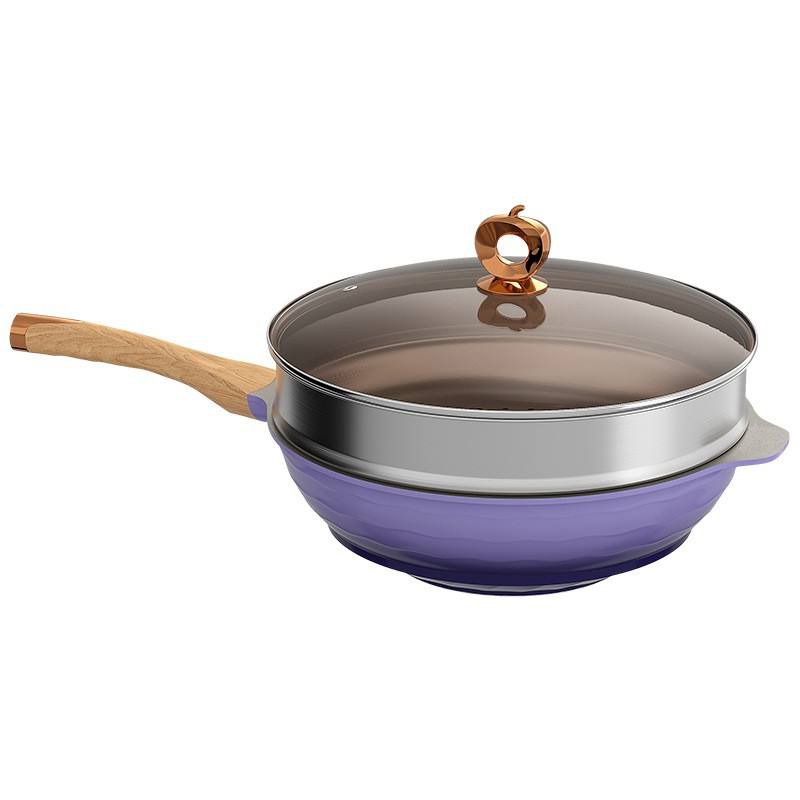
Selecting suitable household frying pans involves understanding cooking habits, kitchen space, heating methods, and maintenance preferences. With a wide range of materials and sizes available, many families compare performance across daily dishes to decide which option fits their routines.
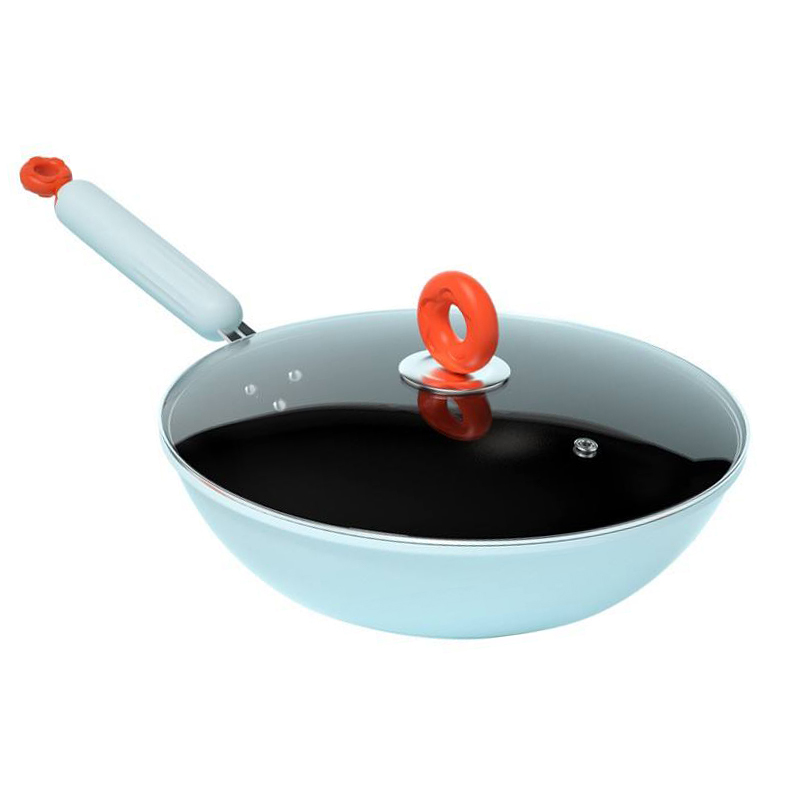
Cooking Performance Across Common Dishes
Different recipes place different demands on frying pan surfaces and heat distribution. In home kitchens, users often compare how various materials handle:
These contrasts highlight why many families keep more than one pan or look for a versatile design.
Breakfast Pans and Multi-Purpose Options
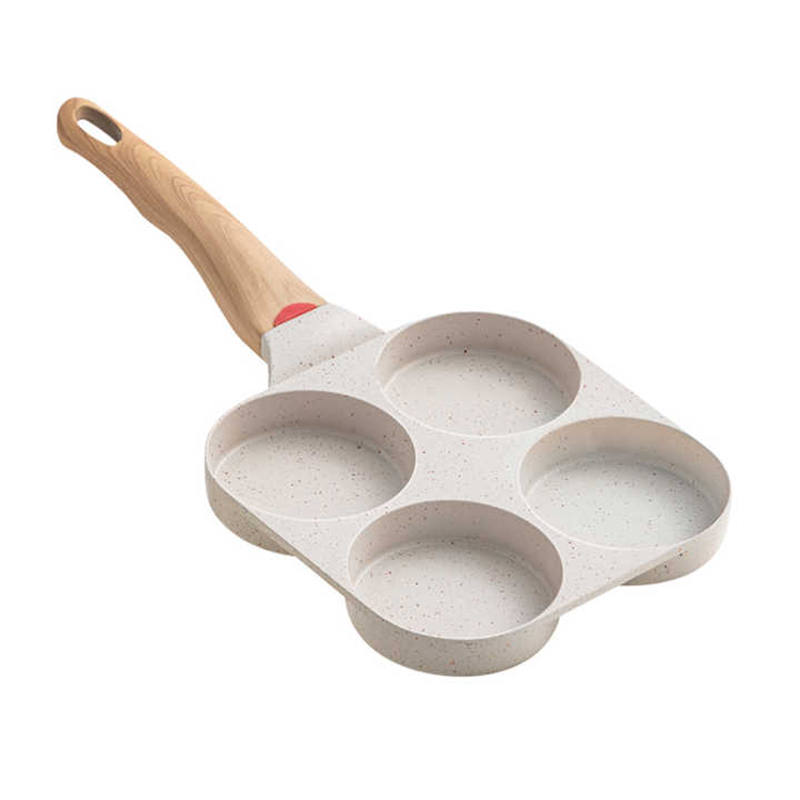
Breakfast pans and multi-use pans are widely used in small households. Their appeal generally comes from:
Pan Size Selection for Home Kitchens
Choosing the right diameter affects both cooking results and convenience. Below is a comparison of three common household sizes:
| Frying Pan Size | Suitable Users | Typical Use Cases | Advantages |
|---|---|---|---|
| 20 cm | Single users | Eggs, toast, small portions | Easy to store, low oil use |
| 24 cm | One–two person households | Stir-fry, small steaks, pancakes | Versatile for daily meals |
| 28 cm | Families of three–four | Larger cuts of meat, family dishes | Ample cooking surface |
This helps families decide whether they need one “all-around” size or multiple pans for different portions.
Which Configuration Fits Different Households?
Recommendations often vary depending on family size and kitchen habits:
Choosing between “one versatile frying pan” and “a multi-pan combination” depends on storage space and cooking frequency.
Stove Compatibility Considerations
Modern households may use one or several types of stovetops. Evaluating compatibility can prevent heat inefficiency and surface damage. Key points include:
When a home mixes several heating methods, pans with composite bases or induction-compatible layers offer broader flexibility.
Cleaning and Durability Factors
Ease of maintenance plays a major role in long-term satisfaction. Families commonly review aspects such as:
Non-stick cleaning performance
Coating lifespan
Cleaning habits that affect longevity
Utensils and scratch resistance
Conclusion
Selecting household frying pans involves assessing size, material, compatibility, and maintenance needs. Families often balance convenience with durability, choosing either a single functional pan or a combination set depending on kitchen habits and available space. By comparing different scenarios and understanding how each pan performs under everyday tasks, households can find cookware that supports efficient and enjoyable home cooking. A well-chosen frying pan not only improves daily meal preparation but also helps reduce unnecessary effort in cleaning and storage. Considering long-term use, heating patterns, and preferred cooking styles can guide families toward cookware that fits comfortably into their routines and supports consistent, reliable results.
Recommended Products


NEWDREAM: +86 13646697735
HUANGXUKITCHENWARE: +86 19557954954


Donggao Fenghuangshan Industrial Zone, Tongqin Town, Wuyi County, Jinhua City, Zhejiang Province, China
Copyright © Wuyi Huangxu Industry & Trade Co., Ltd. All Rights Reserved.
Cookware Factory

 English
 русский
 日本語
日本語 Español
 Deutsch