Inquiry
2026-09-04
A frying pan usually goes through the same routine every day: heating, cooking, washing, drying, and storage. Over time, small differences in how each step is handled can change how the pan feels during cooking. A pan that receives gentle care after each meal often requires less effort to maintain than one that is repeatedly exposed to unnecessary heat or rough cleaning.
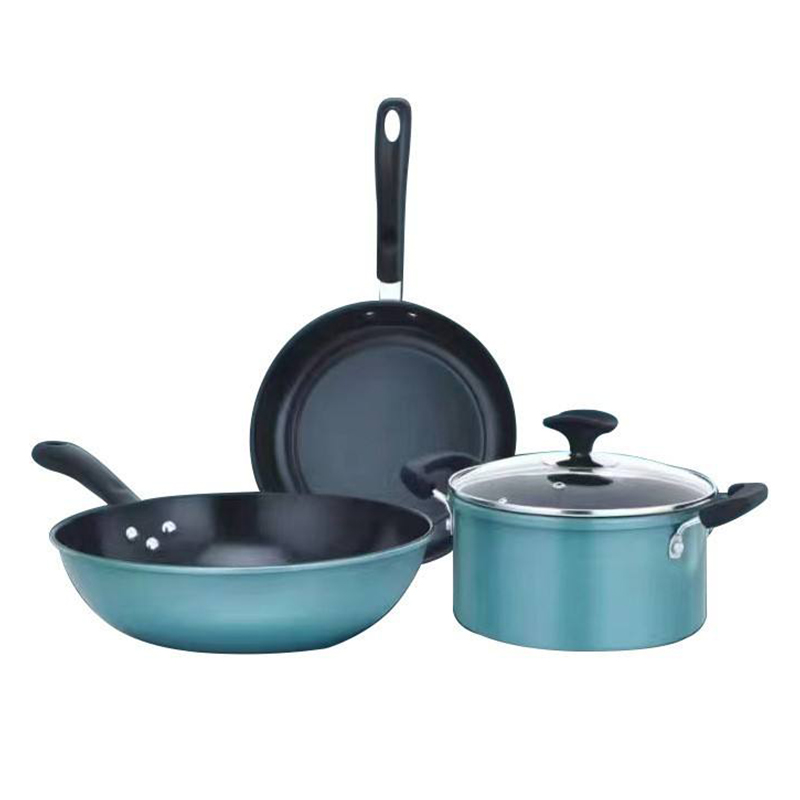
A Kitchen Frying Pan Set may include pans used for different foods and cooking tasks. Using a suitable pan for each meal can make a difference in everyday use. A pan that is too small may leave food crowded together, while a larger one may be unnecessary for a small portion. Matching the cookware to the meal can make heat distribution easier to manage and reduce the need for excessive heating.
Empty heating is another habit worth watching. When no food or liquid is present, the pan can heat rapidly, leaving the surface exposed to heat without a cooking purpose. Preparing ingredients before turning on the stove can reduce the amount of time cookware sits empty over heat.
Sudden cooling also deserves some attention. Taking a hot pan straight from the stove and placing it under cold water may create a sharp temperature change. Giving the cookware time to cool naturally before washing is a gentler routine and also makes handling safer.
Cooking style matters in quieter ways as well. Moving food around with excessive force, dragging cookware across a hard surface, or using the pan for tasks unrelated to cooking can add wear that is easy to avoid.
Cleaning habits often become noticeable when food begins to stick more than expected. Dried sauce, burnt oil, and leftover ingredients can form a stubborn layer that takes more effort to remove. Scrubbing harder may seem like a quick solution, although repeated rough cleaning can be unsuitable for certain pan surfaces.
A soft sponge or cloth is generally enough for ordinary food residue. For material that has dried onto the surface, soaking the pan in warm water can loosen it before cleaning begins. There is usually little reason to attack a stuck area with a sharp tool.
Temperature should also be considered during washing. A pan that has just finished cooking may still hold considerable heat, so running cold water over it immediately can create a sudden change. Waiting for the cookware to cool to a suitable temperature allows cleaning to take place more comfortably.
Once washing is finished, drying should not be treated as an optional final step. Moisture can remain around edges, joints, or the bottom of cookware even when the main surface appears dry. A clean cloth can remove remaining water before storage.
For regular care, a simple routine is enough:
Care instructions can vary according to construction and surface treatment, so cleaning methods should follow the guidance provided with the cookware.
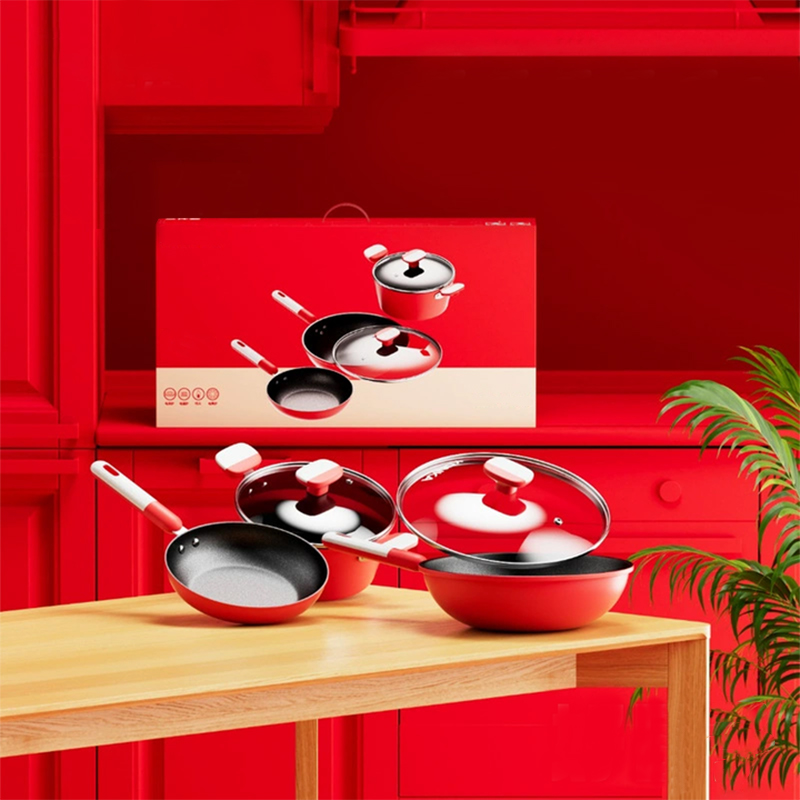
A cooking utensil may seem like a minor part of kitchen equipment, yet it comes into contact with the pan throughout a meal. Scratching often happens during ordinary actions such as turning food, stirring ingredients, or lifting something that has stuck to the bottom.
Wooden utensils and suitable soft cooking tools can be useful for many everyday tasks. Some cookware can also be used with metal utensils, although the acceptable approach depends on the surface and the care instructions. The material alone does not determine how much wear occurs; pressure and the way a utensil is moved also matter.
For example, scraping a dried piece of food with the edge of a utensil can leave marks on a sensitive surface. Soaking the pan first may loosen the residue without requiring the same amount of force.
Using a pan as a cutting board is another habit worth avoiding. Knives are designed to cut food, and direct contact with the cooking surface can leave marks that ordinary cooking would not create.
When a Kitchen Frying Pan Set contains several pans, utensils should also be stored with some care. A metal spatula placed between two pans may rub against their surfaces whenever cookware is moved. Keeping tools in a separate container or drawer can prevent unnecessary contact.
Heat is part of every frying task, although more heat does not always make cooking easier. A pan left over a strong flame while ingredients are being prepared may become hotter than needed, increasing the chance of burnt food residue later.
Preparing ingredients before heating can make the cooking process more controlled. Once food is in the pan, the heat can be adjusted according to how quickly ingredients cook. Delicate foods may need gentler heating, while foods that require more browning can handle a different approach.
Repeated overheating can also make cleaning more difficult. Burnt oil and food residue tend to cling more firmly, creating extra work after the meal. A moderate cooking approach can therefore affect both the meal itself and the condition of the cookware afterward.
Pan size has a role here as well. Crowding a small pan with too much food can make cooking uneven, encouraging longer heating or repeated stirring. Choosing a pan with enough room for the ingredients gives food space to cook without forcing the cookware through an unnecessarily long heating cycle.
For everyday use, keeping an eye on how quickly the pan heats, how food reacts, and how easily residue comes away after cooking can provide useful clues about whether current cooking habits need adjustment.
| Cooking Habit | Possible Effect on Cookware | More Careful Approach |
|---|---|---|
| Empty heating for a long time | Unnecessary heat exposure | Prepare ingredients before heating |
| Very high heat for routine cooking | More burnt residue | Adjust heat according to the food |
| Cold water on a hot pan | Sudden temperature change | Allow suitable cooling before washing |
| Hard scraping | Surface may become scratched | Soak residue and clean gently |
| Wrong pan size for a meal | Uneven cooking space | Choose a suitable pan for the task |
Food residue does more than make a pan look dirty. Oil, sauce, starch, and small pieces of food can remain around the cooking surface after a meal, especially when they have been allowed to dry. Once residue builds up, later cooking may become harder to control, and cleaning can require more rubbing than usual.
Leaving food inside a pan for a long period is also not a good storage habit. Ingredients containing salt, strong seasoning, or acidic components may interact with certain cookware materials during extended contact. Moving cooked food into a suitable container soon after the meal keeps the pan free for cleaning and reduces unnecessary contact.
Burnt residue deserves separate attention. A dark layer left after repeated cooking may tempt people to use a rough scrubber or sharp object. Such treatment can cause damage to some surfaces, so soaking is often a more sensible starting point. Warm water can soften the residue, making it easier to remove without applying excessive pressure.
A change in cooking behavior can sometimes be noticed through the condition of the pan. Food that once released easily may begin to cling to certain areas, while discoloration or rough spots may become visible after cleaning. Such signs do not always mean the pan needs to be replaced, although they are worth checking against the cookware's care instructions.
Storage is easy to overlook because cooking has already finished. Once cookware has been washed and dried, many people simply place one pan inside another and close the cabinet. Repeated contact between hard surfaces can gradually leave marks, especially when cookware is moved around frequently.
A Kitchen Frying Pan Set with several sizes can be stored together more safely when each pan has some separation. A soft cloth or suitable protective layer between pieces can reduce direct contact during stacking. Care is especially useful around cooking surfaces and edges.
Handles also need enough room. A crowded cabinet may place pressure on a handle or cause one pan to rest awkwardly against another. Arranging cookware so each piece can be lifted without dragging it across neighboring pans makes daily use easier as well.
Moisture should be kept away during storage. A pan that looks dry may still hold water around its rim, handle connection, or underside. Drying those areas before placing cookware in a closed cabinet helps prevent moisture from remaining trapped.
Lids, when included, should also be stored in a way that avoids unnecessary rubbing against cooking surfaces. Separate placement can provide more room and reduce scratches caused by movement.
A practical storage arrangement does not need to be complicated. Keeping cookware dry, giving each piece enough space, and avoiding heavy objects on top can already address several common sources of wear.
Care after purchase is only one part of cookware use. Manufacturing choices also influence how a pan behaves during daily cooking and cleaning. A Frying Pan Factory needs to consider the relationship between the pan body, cooking surface, handle, base, and other connected parts rather than viewing each component separately.
A flat and stable cooking base helps the pan sit properly during use. Handle connections need to remain secure through ordinary handling, while the cooking surface needs to match the intended cleaning and cooking methods.
Surface treatment is another area where production and daily care meet. Different surfaces can respond differently to heat, utensils, cleaning materials, and storage conditions. Clear care instructions therefore need to match the actual construction of the cookware.
Production inspection can focus on visible and practical details such as:
Such checks are connected with the way cookware is actually used at home. A pan may be handled carefully every day, yet an issue around a handle or base can still affect the cooking experience. Paying attention to construction during production gives users clearer expectations about care.
For households choosing a Kitchen Frying Pan Set, understanding the intended use of each piece can also help avoid unnecessary stress. A pan designed for regular frying does not need to be treated as a general-purpose surface for cutting, storing food, or holding cooked meals for long periods.
Cookware that has been used regularly should receive a quick visual check from time to time. A few minutes spent looking at the surface, base, handle, and connection points can reveal changes that were easy to miss during cooking.
Start with the cooking surface. Noticeable peeling, deep scratches, cracks, or unusual rough areas deserve attention. A pan that has developed a different texture in one section may also behave differently when food is added.
Next, look at the bottom. A pan should sit in a stable position on the cooking surface. Any obvious change in shape or stability should not be ignored, especially when it affects how the cookware sits on the stove.
Handle connections should be checked as well. A loose handle, damaged fastening point, or unusual movement can make normal cooking less comfortable and may create a safety concern.
Food behavior can provide another useful clue. Persistent sticking, uneven heating, or residue that becomes increasingly difficult to remove may suggest that the cookware needs closer inspection.
When a pan shows clear damage, continued use should be considered according to its material, condition, and care guidance. Repair may be suitable for some issues, while damaged cookware may need to be taken out of regular use.
Longer cooking performance usually comes from ordinary habits rather than a single maintenance step. Suitable heat, gentle cleaning, appropriate utensils, careful storage, and occasional inspection all influence how a frying pan behaves over time. For a Kitchen Frying Pan Set, treating each piece according to its construction and intended use can make everyday cooking and maintenance easier.
Recommended Products


NEWDREAM: +86 13646697735
HUANGXUKITCHENWARE: +86 19557954954


Donggao Fenghuangshan Industrial Zone, Tongqin Town, Wuyi County, Jinhua City, Zhejiang Province, China
Copyright © Wuyi Huangxu Industry & Trade Co., Ltd. All Rights Reserved.
Cookware Factory

 English
 русский
 日本語
日本語 Español
 Deutsch