Inquiry
2026-08-28
Cleaning a pan is part of nearly every cooking routine, although the amount of work can vary greatly from one type of cookware to another. Food residue, oil, moisture and cooking temperature all affect what remains on a surface after a meal.
A pan that looks clean after cooking may still have a thin layer of grease around the edges, while dried food can form a harder patch when cleaning is delayed. Surface condition also changes how much pressure is needed during washing. Gentle wiping may be enough for one pan, while another may need soaking before residue can be removed.
Material plays a role, yet material alone does not determine maintenance. Surface treatment, shape, handle design and the type of food prepared all influence the cleaning process. A shallow pan with an accessible interior is usually easier to reach with a sponge than cookware with narrow corners or complicated joints.
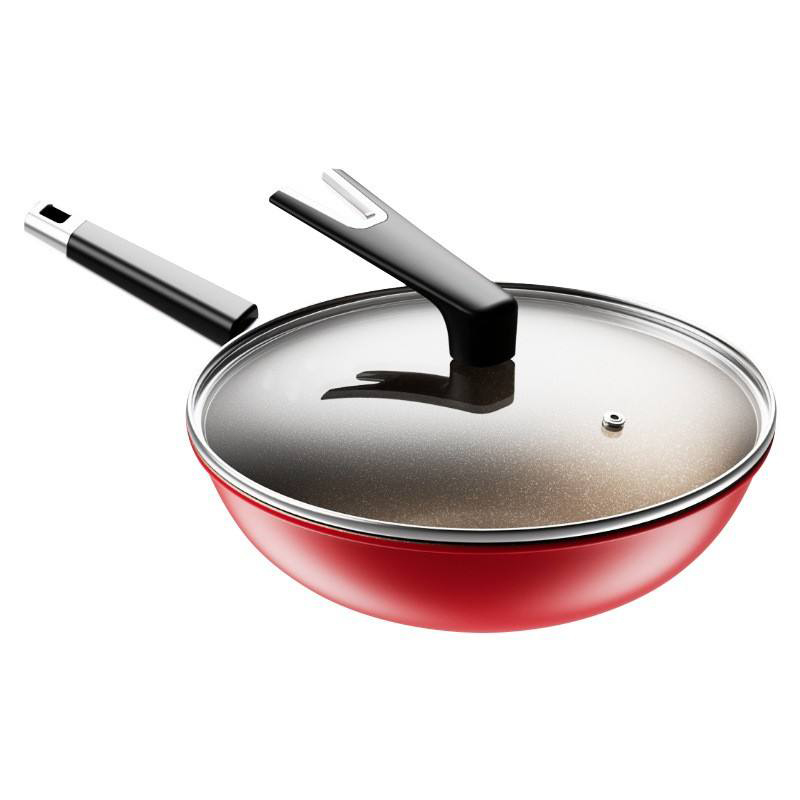
Interest in Non Chemical Cookware has also brought more attention to how cooking surfaces are maintained without relying on a particular surface coating. Such cookware still needs regular cleaning, although its care routine can differ according to the material.
For everyday use, practical maintenance usually depends on a few simple habits:
A simple routine can reduce the effort required after cooking, regardless of the cookware category.
Non Chemical Cookware can refer to cookware designed without certain conventional surface coatings. Care requirements still depend on the material and construction, so treating every uncoated pan in exactly the same way would be misleading.
A bare cooking surface may show food residue more clearly after cooking, especially when ingredients contain starch, protein or concentrated sauces. With suitable heat control and enough cooking oil where appropriate, food may release more easily, reducing the amount of scraping needed afterward.
Cleaning technique matters. A soft sponge and warm water can deal with fresh residue, while dried material may need time to soften before washing. Scraping aggressively can create unnecessary marks on some surfaces, making gentle methods preferable.
Cooking habits can influence maintenance just as much as the cookware itself. Very high heat can cause food to stick or burn more readily, while leaving a pan unattended may produce residue that requires additional cleaning.
For Non Chemical Cookware, useful maintenance habits include:
A cookware surface does not need complicated treatment after every meal. Consistent handling often has a greater practical effect on cleaning effort.
Regular cookware covers a wide range of designs, including pans with treated or coated cooking surfaces. Cleaning requirements can therefore vary considerably from one product to another.
Cookware with a delicate surface usually calls for softer cleaning tools. Rough pads or hard scraping tools may leave marks or gradually change the surface. Warm water and mild dish soap are often suitable for routine cleaning when the product instructions allow them.
Food residue presents another consideration. A pan used for sauces may need more attention around the sides, while a pan used for dry ingredients may require less washing. Oil left after cooking can also collect around handles, edges and joins.
Dishwasher use should be based on the care instructions rather than a general assumption about cookware. Some pans can tolerate machine cleaning, while others are intended for hand washing.
Daily maintenance can be kept manageable by separating cleaning tasks into stages. Loose food can be removed first, followed by washing and rinsing. A final check around the rim, handle connection and underside can prevent residue from remaining unnoticed.
Regular cookware may therefore be easy to maintain when its surface and cleaning method are well matched. A coated surface does not automatically mean less work, just as an uncoated surface does not automatically require difficult cleaning.
Ease of maintenance becomes clearer after actual cooking rather than during the purchase decision. Food type, heat level, oil use and cleaning timing can all change the amount of work involved.
Sticky ingredients tend to create more cleaning work than dry foods. Sauces containing sugar or starch can leave a layer that becomes harder to remove as it dries. Fried foods may leave grease across a wider area, requiring thorough washing even when little food appears to be stuck.
Timing matters as well. Washing a pan soon after it has cooled enough to handle can prevent residue from becoming firmly attached. Soaking can help loosen dried food, although prolonged soaking may not suit every material or construction.
Cooking temperature deserves attention because excessive heat can cause food to burn onto a surface. Once residue becomes heavily attached, wiping alone may no longer be enough.
| Cooking Condition | Cleaning Difficulty | Practical Approach |
|---|---|---|
| Fresh food residue | Relatively easy | Wipe and wash promptly |
| Dried sauce | Requires more soaking | Soften before cleaning |
| Greasy food | Oil may spread widely | Use warm water and suitable soap |
| Burnt residue | Firmly attached | Avoid forceful scraping |
| Light cooking residue | Usually simple | Gentle washing may be enough |
Maintenance is therefore influenced by what happens during cooking, not just by the label attached to a pan. A cookware surface that receives suitable heat and reasonable care may require less effort after use.
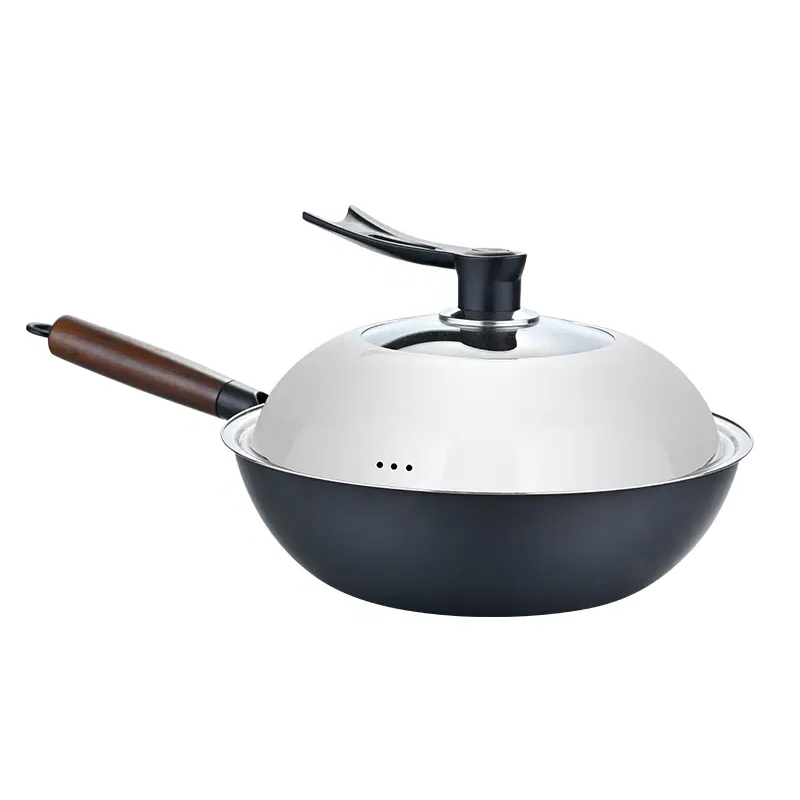
Cleaning Non Chemical Cookware starts with knowing what kind of cooking surface is being used. A surface without a conventional coating does not mean that rough scrubbing is necessary. Gentle handling can still remove ordinary food residue while reducing unnecessary wear.
Warm water works well for loosening fresh residue. Adding a small amount of mild dish soap can help with grease left after cooking. A soft sponge is suitable for broad areas, while a brush can reach around edges and corners that are difficult to clean by hand.
Dried food may need more time to soften. Rather than scraping immediately with a hard tool, filling the pan with warm water and allowing residue to loosen can make later cleaning easier. Once softened, residue can often be removed with less pressure.
Different materials can have different care requirements, so general cleaning habits should not replace specific instructions. Some surfaces may tolerate soaking, while others are better cleaned and dried without remaining wet for a long period.
After washing, rinsing deserves attention. Soap or loosened food particles can remain around the rim, handle connection or underside, even when the cooking surface appears clean.
Drying also has a practical purpose. Wiping away moisture before storage helps keep cookware ready for its next use and reduces the chance of water marks or lingering dampness.
Regular cookware may contain treated surfaces that require careful handling during cleaning. A soft sponge is often a safer choice than a rough scouring pad when the surface can be scratched easily.
Scraping should also be kept gentle. Food that has dried onto a pan can often be softened with warm water before washing. Forceful scraping may create unnecessary marks, especially around surfaces that have a finish intended to remain smooth.
Dishwasher use should follow the cookware's care instructions. A pan that looks suitable for machine washing may still have a handle, finish or construction that requires hand cleaning.
Storage is part of maintenance too. Stacking cookware directly against another hard surface can create friction, especially when pans have a decorative or treated exterior. Placing suitable protection between pieces can reduce contact during storage.
Handle areas deserve a quick check after washing. Grease and food particles can collect where the handle joins the pan, making that area easy to overlook during a rushed cleanup.
A simple routine can help keep cleaning consistent:
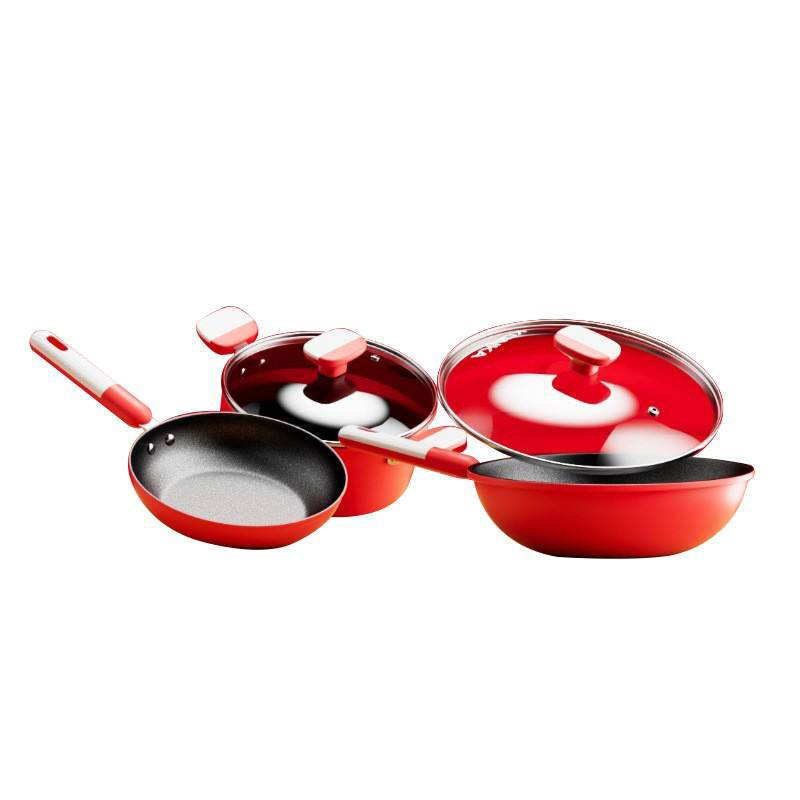
A Wholesale Cookware Sets purchase can involve several pans, pots, lids and other pieces used for different cooking tasks. Having multiple items available can make kitchen work more flexible, although maintenance becomes easier when each piece has a clear cleaning routine.
Different pieces within one set may have different surfaces or shapes. A frying pan might require gentle cleaning around its cooking area, while a deeper pot may need extra attention around the base and inner walls. Lids can collect steam, oil and food particles around their edges, creating another area that needs regular washing.
Keeping all pieces together does not mean every item should automatically be cleaned in the same way. Care instructions may differ according to material and surface treatment.
For kitchens handling several pieces at once, a simple sorting method can help. Separate items according to their cleaning requirements rather than washing everything with the same pressure or tool.
For example:
Such a routine can reduce confusion when a set contains several cookware styles.
Storage also becomes more important with larger sets. Pans should be arranged so that heavy pieces do not press directly against delicate surfaces. Lids can be stored separately where possible, allowing them to dry fully after washing.
Maintenance should be considered before cookware enters regular kitchen use. A low‑effort cleaning routine depends on more than whether a surface is coated or uncoated.
Food habits provide a useful starting point. Someone who often cooks sauces may need cookware that is easy to rinse around the sides and base, while frequent frying creates greater contact with oil and requires attention to grease removal.
Cookware shape matters as well. Wide openings make interior surfaces easier to reach, while deep or narrow designs can require a longer brush.
Surface care should also be checked. Some finishes need soft cleaning tools, while other materials may tolerate a broader range of cleaning methods. Dishwasher compatibility should be confirmed rather than assumed.
For buyers considering Non Chemical Cookware, the same principle applies. The absence of a particular coating does not remove the need for appropriate care. Material, cooking habits and cleaning methods still work together.
A practical checklist can include:
For Wholesale Cookware Sets, checking care requirements across different pieces is useful before establishing a shared cleaning routine. A set may contain cookware with different maintenance needs, so treating every item identically may not be appropriate.
In daily kitchen use, easier maintenance generally comes from a good match between cookware design, cooking habits and cleaning practice. Non Chemical Cookware and regular cookware can both be manageable when residue is handled promptly, suitable tools are used and care instructions are followed.
Recommended Products


NEWDREAM: +86 13646697735
HUANGXUKITCHENWARE: +86 19557954954


Donggao Fenghuangshan Industrial Zone, Tongqin Town, Wuyi County, Jinhua City, Zhejiang Province, China
Copyright © Wuyi Huangxu Industry & Trade Co., Ltd. All Rights Reserved.
Cookware Factory

 English
 русский
 日本語
日本語 Español
 Deutsch