Inquiry
2026-02-13
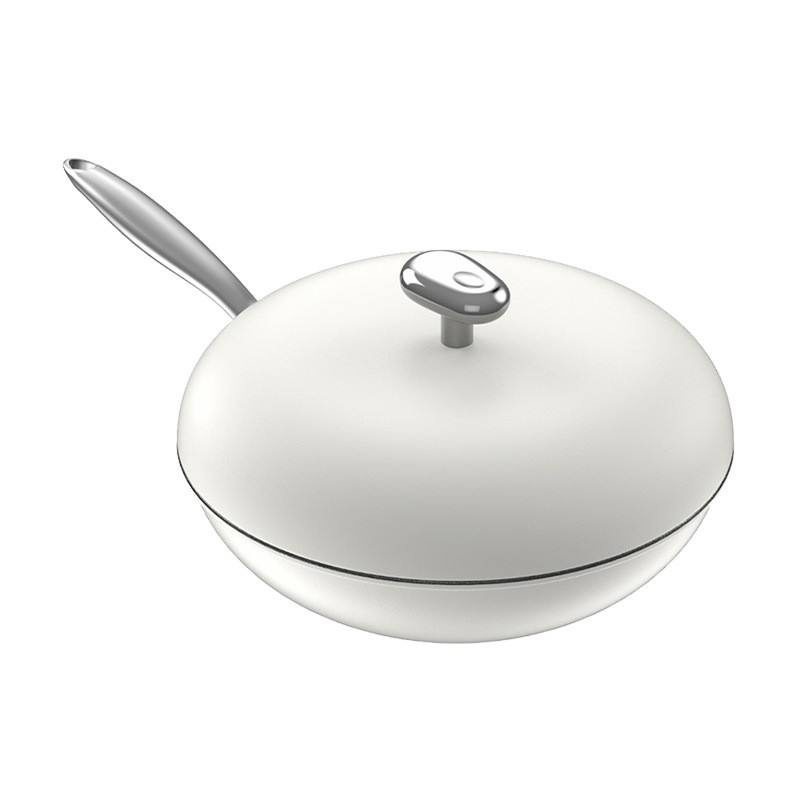
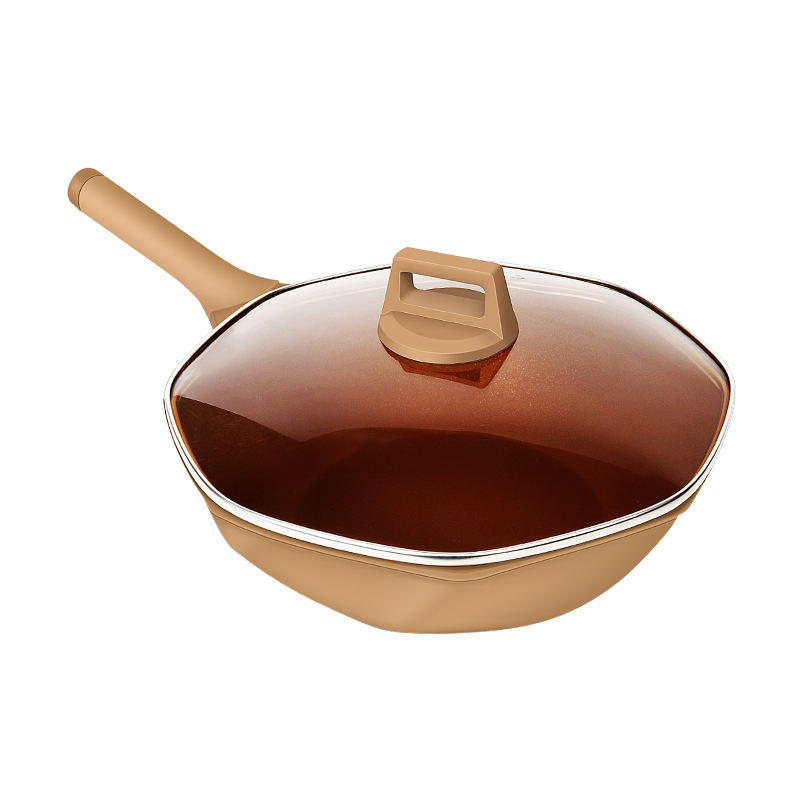
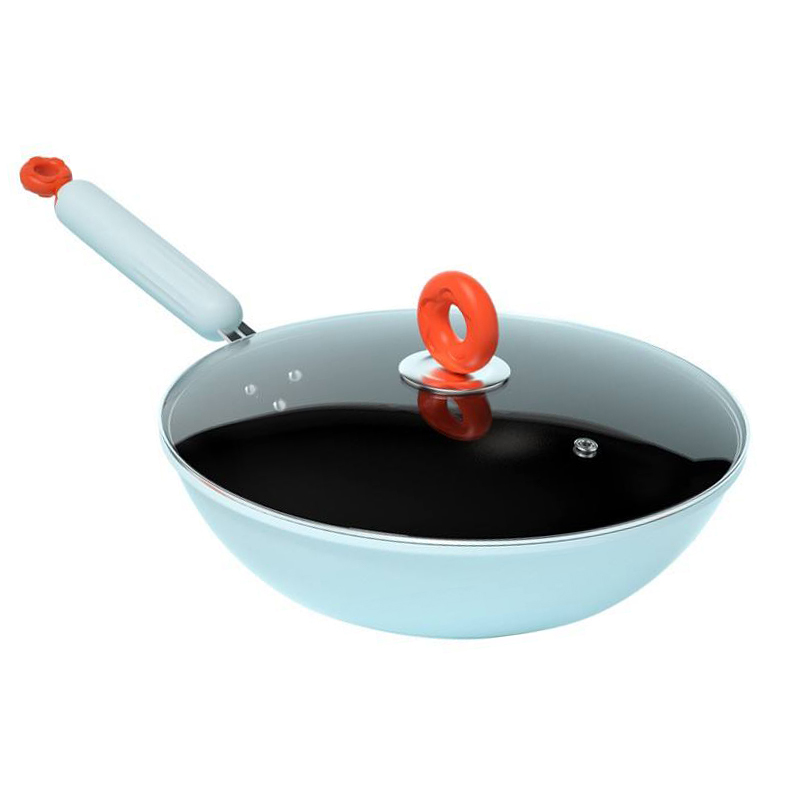
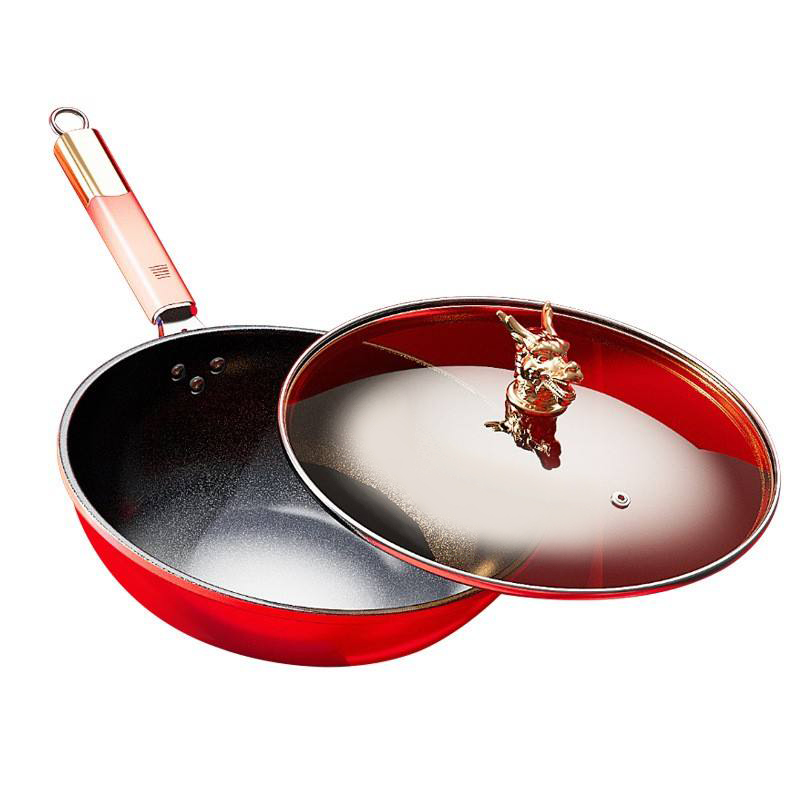
In modern home kitchens, uncoated cookware has become a reliable choice for cooks seeking straightforward performance and long-term durability. Unlike coated pans, uncoated cookware relies on the properties of its base material, offering stable heat transfer, even cooking surfaces, and predictable behavior for a wide variety of ingredients. From frying eggs to preparing stir-fries, sautéing vegetables, and making flatbreads, uncoated cookware provides the control and responsiveness many home cooks value.
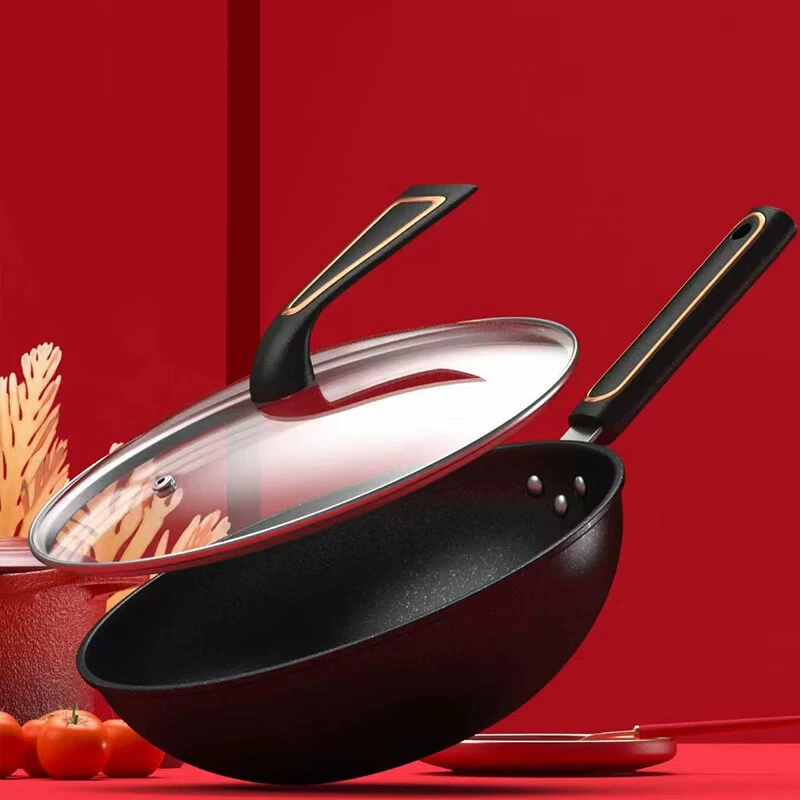
Safety is a central consideration in uncoated cookware. These pans are typically made from stainless steel, cast iron, or aluminum alloys, all of which maintain structural integrity under daily cooking conditions. The absence of chemical coatings ensures that food comes into direct contact with metal surfaces that do not degrade or release unwanted residues during normal use. In households preparing meals for children or sensitive eaters, this contributes to confidence in material safety.
Key features of uncoated cookware materials include:
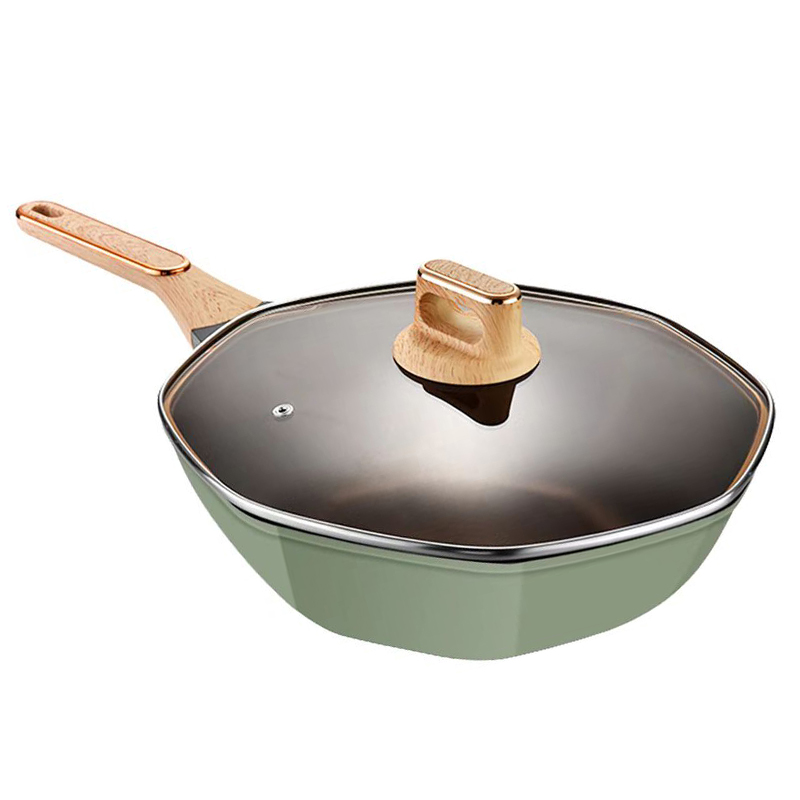
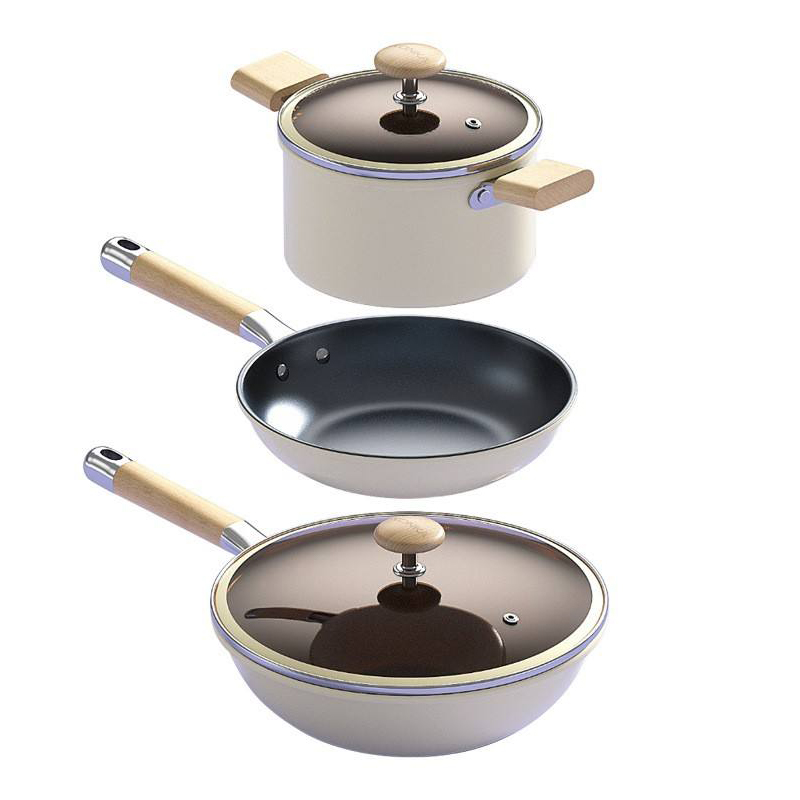
Composite frying pan construction has become increasingly common in uncoated cookware. These designs often combine a conductive metal core with an engineered surface layer to balance heat distribution and surface control. The metal core improves heat transfer, allowing the pan to reach and maintain cooking temperature efficiently, while the surface layer supports smoother cooking and easier food release. This structure helps reduce localized overheating, which can affect food texture during frying or sautéing. In everyday use, composite pans offer predictable performance across gas, electric, and induction stovetops.
Composite uncoated pans often provide:
One practical advantage of uncoated cookware is its ability to develop a natural non-stick layer, especially in cast-iron pans. By regularly heating the pan and applying a thin layer of cooking oil, molecules bond with the metal surface to create a seasoning layer that reduces food sticking. Proper seasoning involves:
Over repeated use, this process improves food release and enhances pan performance.
Cooking with uncoated cookware requires some adjustments:
Cleaning techniques are equally important:
These steps help maintain the natural non-stick layer and prevent rust formation.
Uncoated cookware is valued for long-term durability. Metals such as stainless steel, cast iron, and thick aluminum resist warping, surface degradation, and structural deformation. Well-balanced pans with secure handles support safe handling, particularly when transferring hot food from the stove to a plate.
Features supporting handling and durability:
In daily home kitchens, uncoated cookware supports safe material use, precise heat control, versatile food preparation, and long-term durability. By combining stable materials, composite construction, natural non-stick seasoning, and practical sizing, uncoated cookware remains a dependable choice for households seeking reliable performance without surface coatings.
Recommended Products


NEWDREAM: +86 13646697735
HUANGXUKITCHENWARE: +86 19557954954


Donggao Fenghuangshan Industrial Zone, Tongqin Town, Wuyi County, Jinhua City, Zhejiang Province, China
Copyright © Wuyi Huangxu Industry & Trade Co., Ltd. All Rights Reserved.
Cookware Factory

 English
 русский
 日本語
日本語 Español
 Deutsch