Inquiry
2026-07-24
Preparing meals at home rarely follows one pattern. Breakfast may only need a frying pan, lunch could include vegetables and rice, while dinner often combines soup, meat, and side dishes. Different cooking tasks call for different cookware, making it common for households to keep several pieces that work together instead of relying on one pot for every recipe.
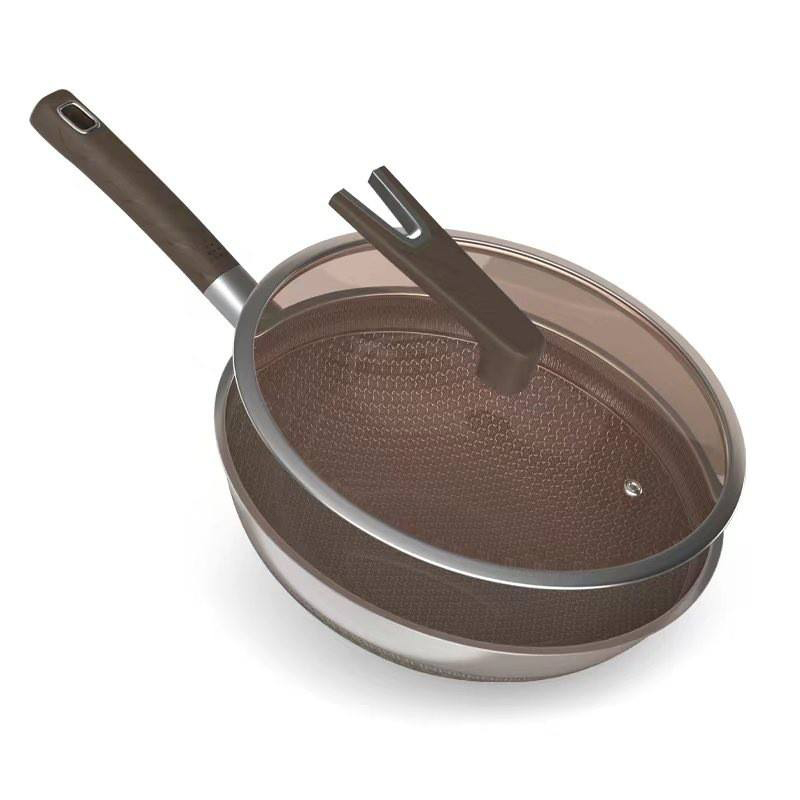
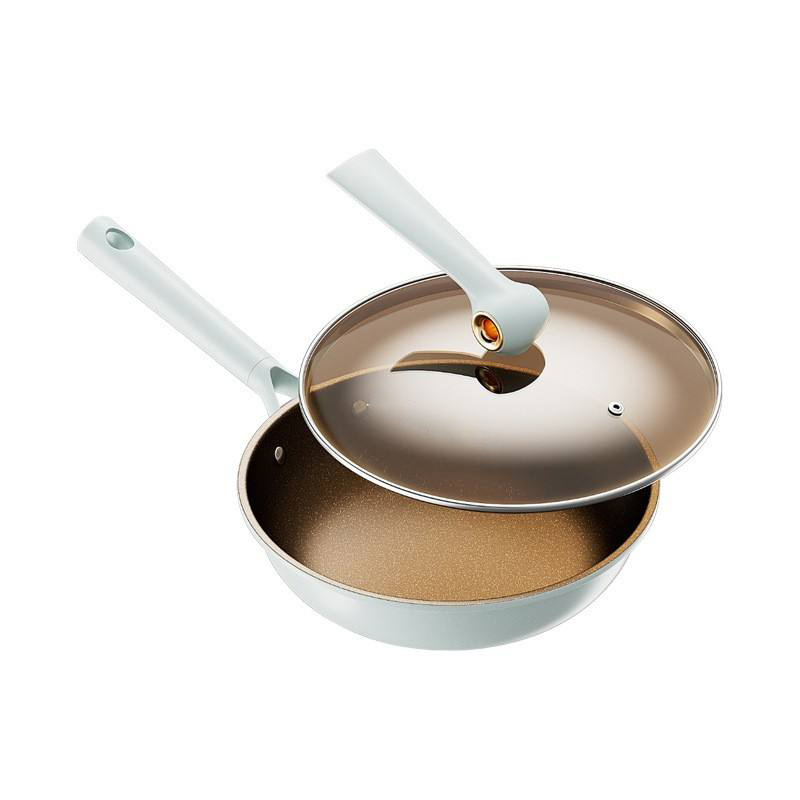
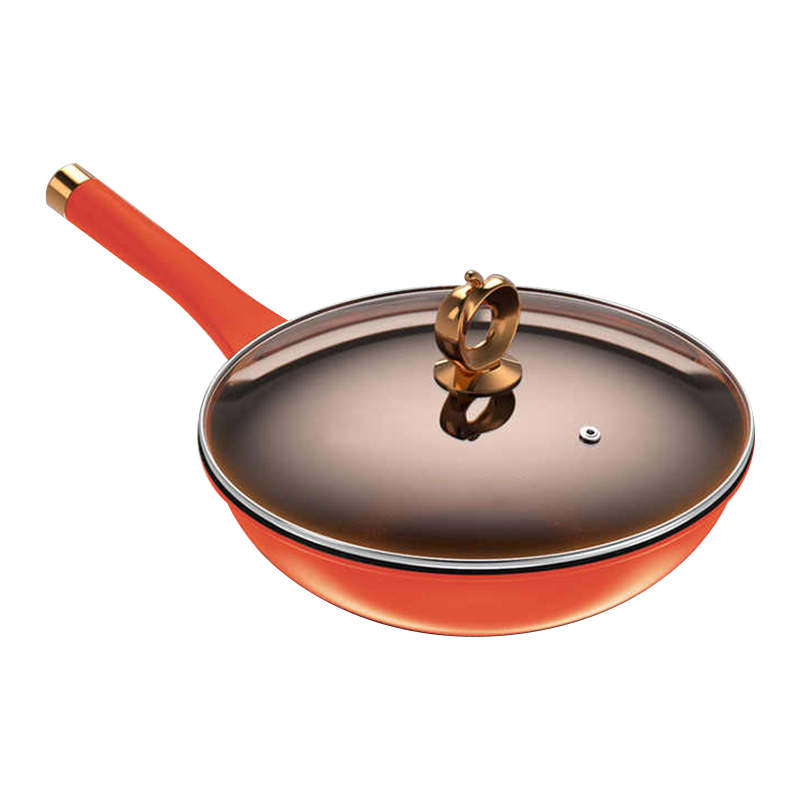
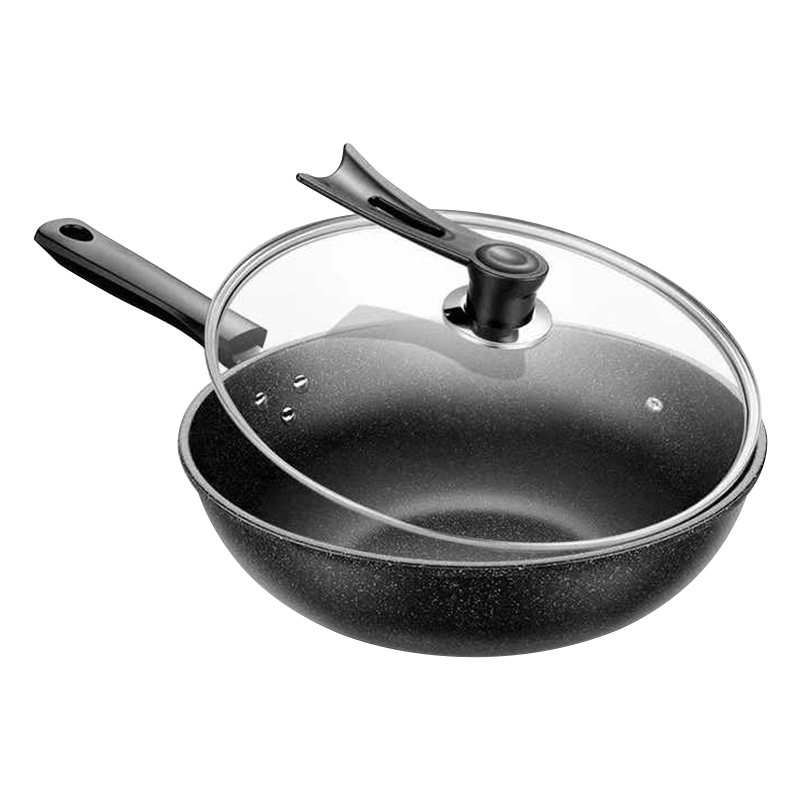
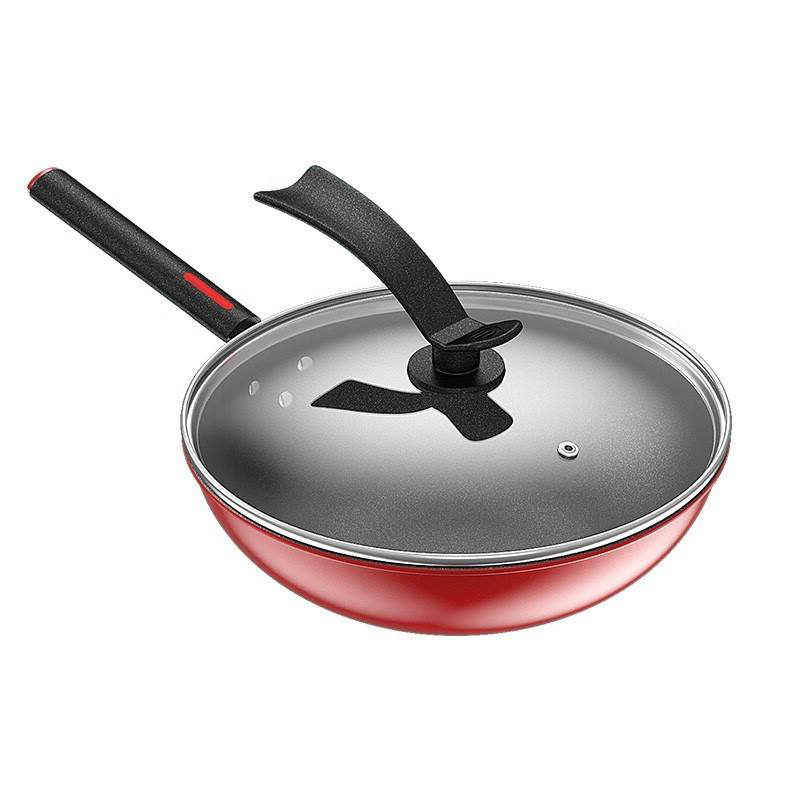
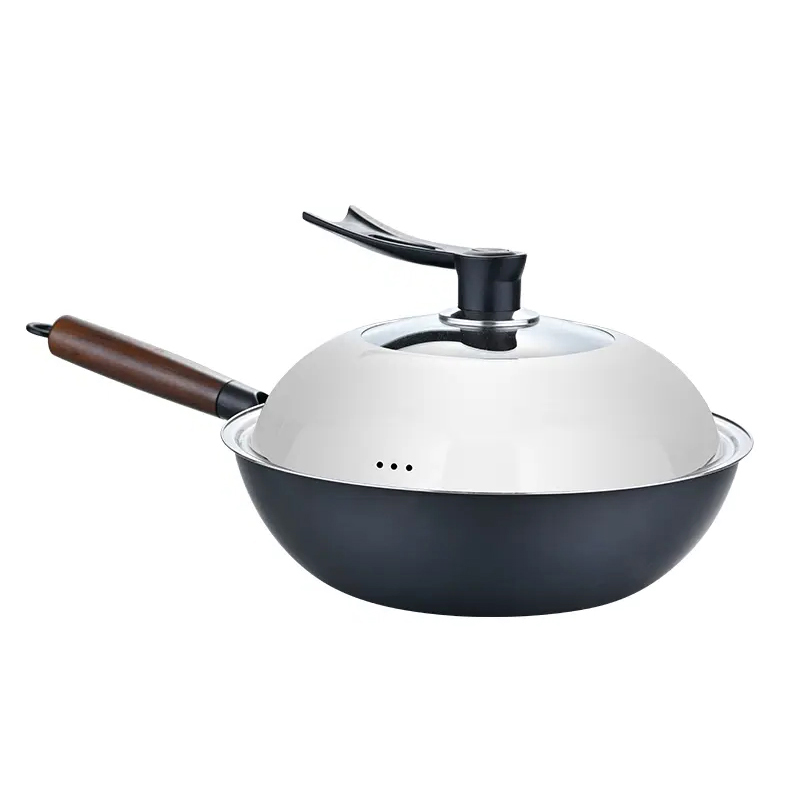
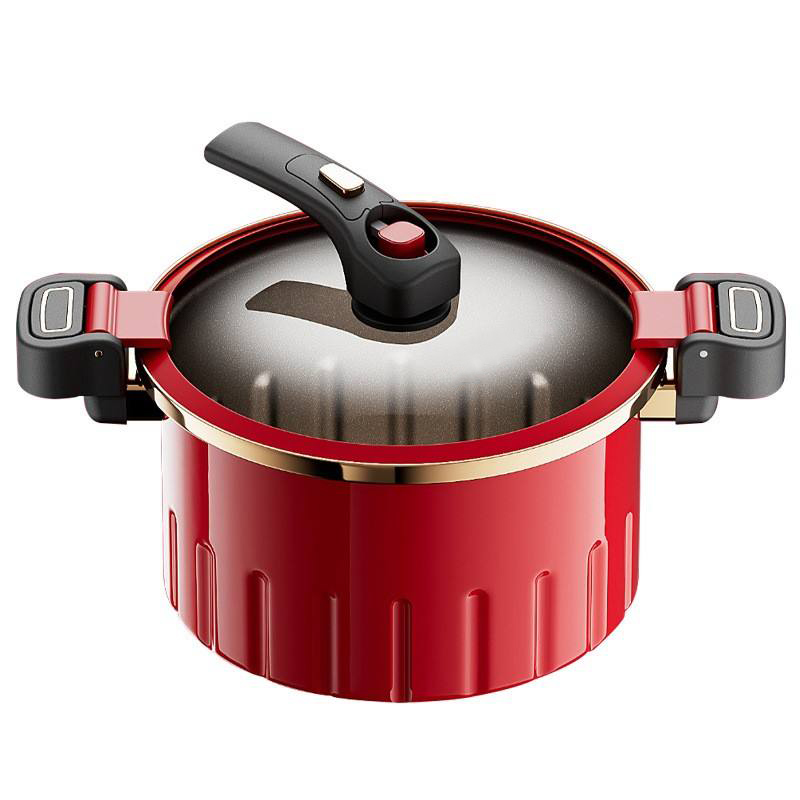
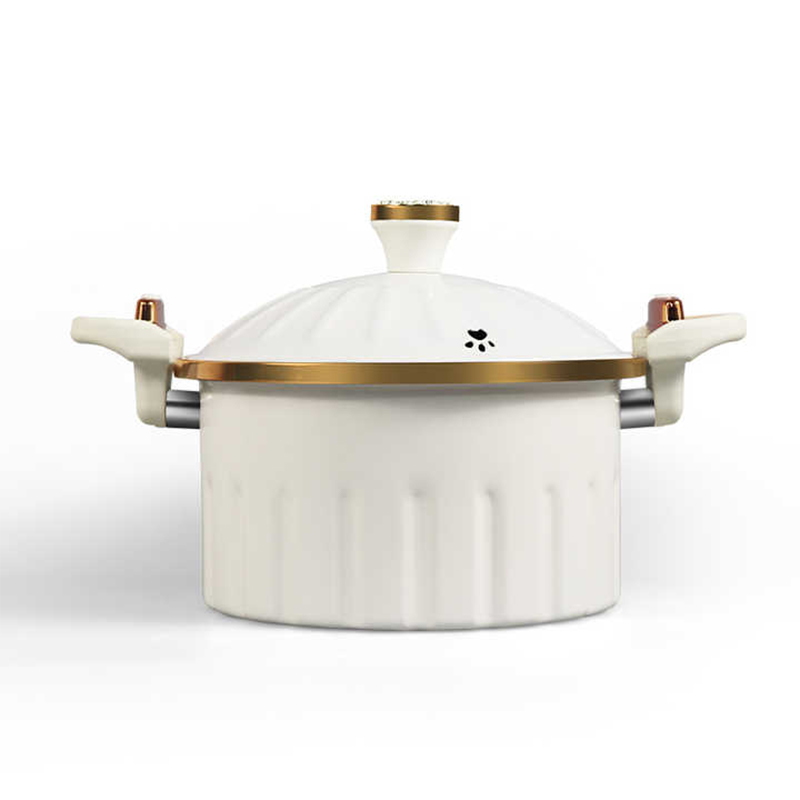
A Wholesale Pressure Cooker is often chosen for ingredients that take longer to soften, while a Stainless Steel Nonstick Frying Pan with Lid handles quick frying, gentle browning, and many finishing steps. Used together, each piece serves a different purpose, helping daily cooking move from one stage to another without unnecessary repetition.
Choosing cookware should begin with everyday habits rather than appearance alone. Kitchen space, meal preferences, cleaning routines, and cooking frequency all influence whether a piece of cookware remains useful after months of regular use.
Pressure cookers vary in size and construction, though daily cooking habits usually determine whether one fits comfortably into a household routine. Looking at common meals prepared during an ordinary week often provides clearer guidance than comparing product descriptions.
Large cookware attracts attention because it appears more versatile. Daily use tells a different story. Preparing soup for two people in a very large cooker leaves extra space that serves little purpose, adds weight during cleaning, and occupies more room inside kitchen cabinets.
A smaller cooker creates another inconvenience. Preparing broth, stew, or grains for several family members may require cooking twice, extending preparation instead of simplifying it.
Before making a choice, many home cooks find it useful to think about ordinary meals instead of occasional gatherings.
Questions such as these usually provide practical direction.
Answers based on real kitchen routines often remain useful long after the cookware arrives.
Material affects cooking in ways that become noticeable after repeated use.
Even heat distribution helps ingredients cook at a similar pace. Vegetables stay closer in texture from top to bottom, grains absorb liquid more evenly, and soup ingredients soften without frequent stirring. Small differences become easier to notice when preparing meals that remain on heat for longer periods.
Weight deserves equal attention. A heavier body usually feels stable after adding ingredients, although moving a full cooker from the stove to the sink requires more effort. Lighter cookware feels easier to lift, making washing and storage more comfortable for many households.
Cleaning should receive the same attention as cooking performance. Food residue often collects around the upper edge after preparing soup or porridge. Smooth interior surfaces generally reduce scrubbing, allowing regular cleaning to become part of the kitchen routine instead of an extra task.
Daily maintenance becomes much easier when cookware matches both cooking style and cleaning habits.
Pressure cooking depends on a tightly sealed lid. Even a small amount of dried food around the sealing area may affect pressure during cooking.
Many experienced home cooks develop a short inspection routine before heating begins. Only a few moments are needed, yet small checks may prevent interruptions later.
Common points worth checking include:
Another habit involves avoiding overfilling the cooker. Ingredients expand during cooking, especially grains, beans, and foods containing plenty of liquid. Leaving enough space inside allows pressure to build naturally and keeps cooking conditions stable.
Opening the lid deserves equal patience. Releasing pressure gradually before removing the lid helps reduce sudden steam movement around the cooking area, making the process more comfortable during everyday use.
Every kitchen works a little differently. Some households prepare meals on gas, while others use electric or induction cooktops. Confirming compatibility before purchasing cookware prevents unnecessary inconvenience later.
Cooking performance is only one reason. A cooker designed for the available heat source often warms more evenly, allowing recipes to follow a familiar rhythm without frequent adjustment.
Storage should not be ignored either. Deep cabinets easily accommodate larger cookware, whereas compact kitchens benefit from pieces that fit neatly alongside other pots without occupying excessive space.
Handles influence storage as much as cooking. Wide handles may provide a comfortable grip, though they require additional cabinet space. Folding or compact designs may suit smaller kitchens where every shelf serves several purposes.
Simple details often become more noticeable after months of everyday cooking than during the initial purchase.
Pressure cooking has gradually found a place in many home kitchens because certain meals naturally require longer heating. Instead of standing beside the stove for an extended period, many families prefer cookware that allows attention to shift toward preparing vegetables, setting the table, or cleaning the work surface.
Pressure cooking does not replace ordinary cookware. It simply handles recipes that benefit from steady heat inside a sealed environment.
Not every meal requires pressure cooking. Fried eggs, pancakes, leafy vegetables, or thin slices of meat usually cook quickly in a frying pan.
Pressure cooking becomes more practical when ingredients need extra time before reaching a softer texture.
Examples include:
Preparing those foods in an ordinary pot often means checking liquid levels from time to time and adjusting heat throughout cooking. Pressure cooking reduces repeated attention, allowing other kitchen work to continue.
Many households preparing soup several times each week gradually include a pressure cooker as part of the normal cooking routine instead of using it only occasionally.
Preparing dinner often involves several cooking tasks happening at nearly the same time. Soup may need longer heating, vegetables require only a few minutes, while another dish waits for final seasoning before serving.
Pressure cooking helps separate those tasks into a more organized sequence.
For example, soup ingredients can begin cooking inside the pressure cooker while vegetables are washed and prepared nearby. Rice, salad, or simple side dishes may be finished before pressure cooking ends. Instead of waiting beside one pot, several kitchen tasks move forward naturally.
Meal preparation feels less rushed because different stages happen in parallel rather than one after another.
Families often prepare the same meals repeatedly. Vegetable soup, bean dishes, chicken broth, or porridge appear on many weekly menus because ingredients are familiar and preparation remains straightforward.
Consistent cooking conditions help those recipes produce similar texture from one meal to another. Root vegetables soften evenly, grains absorb liquid more completely, and meat gradually becomes tender without frequent stirring.
Daily cooking becomes easier when familiar recipes no longer require constant adjustment. Small variations still occur because ingredients naturally differ, although regular cooking habits become simpler once cookware performs in a predictable manner.
Less attention spent on monitoring one pot allows more time for preparing fresh ingredients, arranging serving dishes, or cleaning the kitchen before dinner reaches the table.
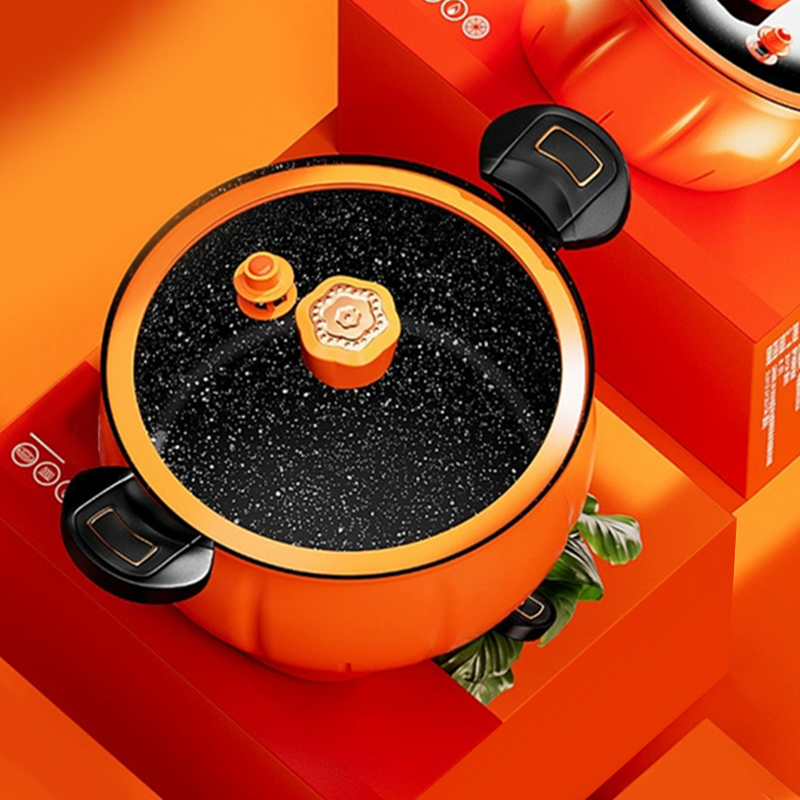
Many recipes begin long before pressure cooking starts. Vegetables are sliced, onions become fragrant over gentle heat, meat develops a light brown surface, and simple sauces are prepared separately. A pressure cooker alone cannot complete every stage efficiently.
A Stainless Steel Nonstick Frying Pan with Lid fills those gaps by handling cooking steps that require direct contact with the cooking surface.
| Cooking Stage | Wholesale Pressure Cooker | Stainless Steel Nonstick Frying Pan with Lid |
|---|---|---|
| Preparing ingredients | Suitable after ingredients are ready | Browning meat, softening onions, cooking aromatics |
| Main cooking process | Soups, beans, grains, larger ingredients | Quick vegetables, eggs, seafood, thin meat slices |
| Finishing recipes | Keeps ingredients tender | Thickens sauce, reduces liquid, adds light surface texture |
| Everyday meal routine | Handles longer cooking tasks | Supports quick meals and side dishes |
Rather than replacing one another, both cookware pieces perform different jobs throughout meal preparation. A simple soup may begin in the frying pan by lightly cooking vegetables before everything moves into the pressure cooker. Another recipe may finish in the pan after pressure cooking, allowing excess liquid to reduce naturally and giving ingredients a richer texture before serving.
Such combinations appear frequently in home kitchens because everyday meals rarely depend on only one cooking method. Different cookware working together often creates a smoother routine, reduces repeated handling of ingredients, and keeps preparation organized from beginning to end.
Preparing dinner rarely depends on one cooking method from beginning to end. Many recipes become easier when cooking is divided into separate stages, allowing each ingredient to receive the amount of heat it actually needs.
Take chicken soup as an example. Chicken pieces may be lightly browned in a Stainless Steel Nonstick Frying Pan with Lid before moving into a Wholesale Pressure Cooker together with vegetables and broth. Gentle browning changes the surface of the meat and removes part of the moisture, giving the finished soup a richer appearance without adding extra cooking steps.
Bean dishes follow a similar pattern. Garlic, onions, or tomatoes are commonly cooked for several minutes in the frying pan until softened. After that, everything is transferred into the pressure cooker, where beans continue cooking until tender. Preparing ingredients separately keeps vegetables from becoming overly soft during the longer cooking process.
Pressure cooking does not always complete a recipe. Soup may contain more liquid than expected, or a sauce may remain thinner than preferred. Returning part of the dish to the frying pan allows moisture to evaporate naturally over gentle heat. No complicated adjustments are needed, and texture becomes easier to control.
Using two cookware pieces for different stages creates a steady rhythm inside the kitchen. One handles ingredients requiring longer cooking, while the other manages preparation and finishing without interrupting the entire meal.
Cookware spends far more time being cleaned and stored than sitting on the stove. Daily care gradually influences appearance, cooking performance, and ease of use.
Many people place hot cookware directly under running water after dinner. Sudden temperature changes may place unnecessary stress on metal parts. Leaving cookware on the counter for several minutes before washing is usually enough.
Food residue becomes harder to remove after drying. Washing soon after eating reduces scrubbing, especially around the upper edge of a pressure cooker where soup or starch may collect during cooking.
Attention should not remain only inside the cookware. Steam outlets, lid edges, handles, and outer surfaces collect grease little by little. Wiping those areas during ordinary cleaning prevents buildup from becoming difficult later.
Dry storage deserves equal attention. Moisture trapped around the lid or inside stacked cookware may leave marks after long storage. Keeping everything completely dry before returning cookware to the cabinet requires little effort and easily becomes part of the normal routine.
Pressure cooking follows a different process from ordinary boiling, making a quick inspection worthwhile before turning on the heat.
Closing the lid completely is one part of the process. Looking around the sealing area is just as important. Small food particles left after the previous meal may prevent the lid from closing properly, even though everything appears normal from the outside.
Ingredients expanding during cooking deserve consideration as well. Rice, beans, porridge, and similar foods occupy more space after heating, making extra room inside the cooker necessary from the beginning rather than halfway through cooking.
Several practical habits fit naturally into everyday meal preparation.
Families with young children usually keep the cooking area clear until cookware has cooled. Steam escaping from a pressure cooker remains hot even after heating stops, making a little extra distance worthwhile.
Changes usually appear slowly instead of all at once. Looking over cookware during ordinary cleaning makes small problems easier to notice.
A sealing ring may gradually become firm after repeated heating. Handles may loosen slightly after months of lifting a full cooker. Neither change is difficult to notice when cookware receives regular attention.
Interior surfaces deserve similar care. Starch from grains, soup residue, or mineral deposits left after boiling water sometimes collect around the upper edge instead of the cooking base. Removing them during routine washing keeps later cleaning much easier.
Storage habits influence condition as well. Heavy cookware stacked directly together may leave scratches from repeated movement inside the cabinet. A folded kitchen towel placed between cookware pieces creates a simple barrier without taking extra storage space.
Maintenance rarely requires complicated procedures. Small habits repeated throughout normal kitchen use usually provide steady results over time.
No single pot matches every recipe. A quick breakfast, a bowl of soup, steamed vegetables, and pan-fried fish all require different amounts of heat and cooking time.
Morning cooking may only involve eggs and bread prepared in a Stainless Steel Nonstick Frying Pan with Lid. Dinner can look completely different, especially when soup, beans, or tougher vegetables become part of the menu. A Wholesale Pressure Cooker naturally suits those ingredients because longer cooking happens without repeated stirring.
Weekend cooking presents another example. Larger meals prepared for family gatherings frequently include soup, braised dishes, vegetables, and several side dishes. Pressure cooking handles ingredients requiring additional time, leaving the frying pan available for vegetables or finishing work. Different cooking tasks continue at nearly the same time instead of waiting for one pot to become available.
Seasonal ingredients bring further changes. Cooler months usually include more soups and root vegetables, while lighter meals become common during warmer weather. Keeping different cookware available allows meal preparation to adapt naturally without changing familiar recipes.
Kitchen routines rarely remain identical throughout the year. Flexible cookware simply follows those changes, supporting different ingredients and cooking styles whenever needed.
Preparing meals at home involves many small decisions long before food reaches the table. Choosing suitable cookware is one of them. A Wholesale Pressure Cooker supports recipes requiring longer cooking, while a Stainless Steel Nonstick Frying Pan with Lid takes care of ingredient preparation, quick cooking, and final adjustments before serving.
Used separately, each handles a specific task. Used together, both create a cooking process that feels more natural, allowing different dishes to move forward without unnecessary waiting or repeated handling of ingredients. Kitchen work becomes easier to arrange around ordinary family meals, making everyday cooking feel orderly and practical rather than complicated.
Recommended Products


NEWDREAM: +86 13646697735
HUANGXUKITCHENWARE: +86 19557954954


Donggao Fenghuangshan Industrial Zone, Tongqin Town, Wuyi County, Jinhua City, Zhejiang Province, China
Copyright © Wuyi Huangxu Industry & Trade Co., Ltd. All Rights Reserved.
Cookware Factory

 English
 русский
 日本語
日本語 Español
 Deutsch