Inquiry
2026-07-31
A small cooking pot often plays a different role from large soup pots or frying pans in a daily kitchen. Many cooking tasks involve only a limited amount of liquid or soft ingredients, making a compact pan easier to handle during preparation.
A Stainless Steel Non Stick Milk Pan is commonly used for heating, mixing, and preparing foods that require careful control during cooking. Milk, sauces, melted ingredients, and small portions of meals often need gentle heating rather than large cooking space.
The structure of a milk pan usually focuses on two practical features: a smaller cooking area and a deeper body. Liquid stays more concentrated at the bottom, allowing users to stir ingredients more easily while reducing unnecessary movement around a large surface.
Compared with larger cookware, a small pan also helps reduce leftover food and simplifies cleaning after cooking. Many households use it for breakfast preparation, quick snacks, or small recipes that do not require a full-size pot.
Daily kitchen tasks often include:
A suitable pan design connects with these small moments in the kitchen. The combination of stainless steel structure and a non stick surface makes it useful for foods that tend to attach to cookware during heating.
Heating milk appears simple, although milk behaves differently from plain water during cooking. Continuous heat can create residue on the bottom of cookware, especially when milk remains still for too long.
A Stainless Steel Non Stick Milk Pan helps reduce food attachment through its surface design. When milk is warmed, a smoother cooking surface allows the liquid to move more easily, making stirring and pouring more convenient.
Morning routines often include preparing warm milk, coffee ingredients, or other dairy-based drinks. A small pan allows users to heat an appropriate amount without using larger cookware.
Cleaning also becomes an important part of daily use. After pouring milk from a regular stainless steel pan, residue may remain around the bottom area and require additional soaking or scrubbing. A non stick surface can make normal cleaning easier because less material remains attached after cooking.
Several details influence the experience:
For families preparing drinks regularly, the convenience of a small milk pan often comes from reducing extra steps before and after cooking.
Sauces often require slow heating and frequent mixing. Large cookware may leave a thin layer of ingredients spread across a wider area, while a smaller pan keeps the amount more concentrated.
Foods such as white sauces, cheese-based mixtures, chocolate sauces, and creamy seasonings are often prepared in small quantities. A deep pan body provides enough space for stirring without causing liquid to overflow easily.
The non stick surface also changes the cooking process.
When sauce ingredients contain milk, cream, sugar, or melted components, they may become sticky during heating. A surface that reduces attachment allows users to focus more on adjusting texture and consistency rather than spending extra time removing residue afterward.
A small milk pan is also easier to move around the kitchen. Pouring sauces into another container becomes more controlled when the cookware is designed for smaller amounts of liquid.
Practical sauce preparation often benefits from:
Such features make a milk pan useful beyond heating beverages.
Dessert preparation often involves ingredients that need careful melting rather than strong heating. Butter, chocolate, and sugar mixtures can change quickly during cooking, requiring attention throughout the process.
A smaller pan helps keep ingredients gathered near the heat source. Compared with using a wide frying pan, a compact cooking area reduces unnecessary spreading of small quantities.
Melting butter is one common example. A small amount of butter may cover only part of a large pan surface, while a milk pan allows the ingredient to remain together during heating.
Chocolate preparation also benefits from gentle handling. Frequent stirring becomes easier when the container size matches the ingredient amount.
Other uses include:
The cooking process becomes more manageable when cookware matches the scale of the task.
Not every kitchen task requires a large pot. Many daily meals involve only one or two servings, especially during breakfast or quick preparation periods.
A milk pan can be used for:
The deeper shape helps contain liquids, while the smaller size reduces unnecessary cookware use.
For people living alone or families preparing separate meals, a compact pan can fit naturally into everyday routines. Less cookware needs to be handled, and cleaning after cooking becomes simpler.
The combination of size and surface design explains why milk pans are often connected with liquid-based and semi-liquid cooking situations.
| Cooking Task | Why A Small Milk Pan Fits The Situation | Practical Benefit |
|---|---|---|
| Heating Milk | Deep body keeps liquid concentrated | Easier stirring and cleaning |
| Making Sauce | Suitable for small liquid amounts | Better control during mixing |
| Melting Butter | Small area matches ingredient quantity | Less unnecessary spreading |
| Cooking Oatmeal | Fits individual portions | Reduces food waste |
| Preparing Syrup | Allows careful heating | Easier pouring |
The difference between two types of milk pans mainly comes from surface treatment, cooking habits, and maintenance requirements. Both can be used for heating and preparing food, although their daily experiences are different.
A regular stainless steel milk pan usually has a direct metal cooking surface. Food contacts the stainless steel surface during cooking, which makes the pan suitable for many traditional kitchen tasks.
A non stick milk pan adds a special surface layer over the stainless steel body. The purpose of the surface treatment is to reduce food attachment and make certain cooking processes easier.
The difference becomes clearer during daily use. Heating milk, preparing sauces, and melting ingredients often involve foods that can stick during cooking. Surface design influences how much attention is needed while preparing such foods.
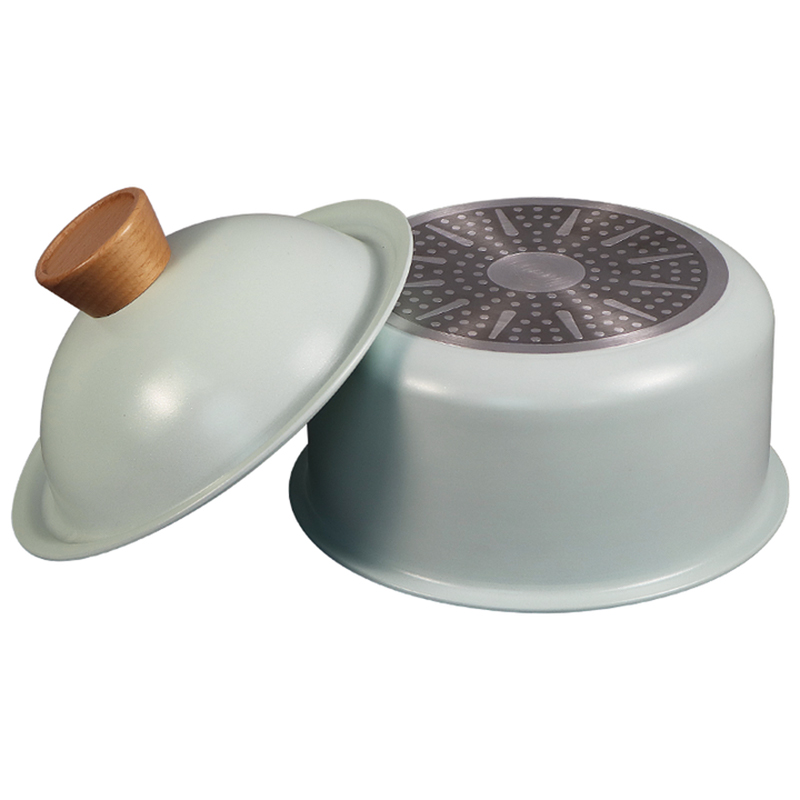
A regular stainless steel milk pan usually depends on careful heat control and constant attention during cooking. Milk, sugar mixtures, and creamy ingredients may stick more easily to a bare metal surface, especially when the heat stays high or stirring slows down.
A Milk Pan changes that experience by giving the interior a smoother cooking surface. Food still needs normal supervision, although the pan often feels easier to manage when preparing liquid-based dishes.
Several everyday differences appear during use:
A regular stainless steel milk pan can still work well in many kitchens. It suits soups, boiling water, and other cooking methods where sticking is not a major concern. For users who prefer a simpler metal surface and do not mind extra cleaning, a standard pan remains useful.
A non stick version leans toward tasks where gentle heating and small portions matter more. That difference explains why many households keep one type for general use and another for food that tends to attach during cooking.
Durability and care often influence long term kitchen use more than appearance does. A regular stainless steel pan usually tolerates stronger cleaning methods, while a non stick version needs gentler handling to protect the surface layer.
Regular stainless steel is often chosen because the body is simple and sturdy. Scrubbing, soaking, and everyday washing usually do not create the same concern found with coated cookware. Stubborn residue may still take time to remove, although the pan itself stays easy to manage.
A Stainless Steel Non Stick Milk Pan needs a different kind of care. Soft sponges, mild cleaning, and careful storage help protect the cooking surface. Rough tools may affect the finish, so users often pay more attention during washing.
Daily care habits usually include:
A Stainless Steel Cookware Factory often considers those usage habits during production. Surface treatment, handle fitting, and body shaping all influence how the pan behaves in a real kitchen. Small production details can shape the cleaning and cooking experience later.
Kitchen use often becomes clearer when the task itself is considered. Some households prepare milk every morning. Others need a small pan for quick sauce work, melted ingredients, or simple single-serving meals.
A non stick milk pan tends to suit kitchens where liquid ingredients appear often. Heating milk, preparing white sauce, or melting butter may feel more comfortable when the cooking surface reduces sticking.
A regular stainless steel milk pan often fits kitchens that rely on simpler heating tasks. It may be used for boiling, warming, or cooking foods that do not need a smooth release surface.
Choosing between the two often depends on daily habits.
A regular stainless steel milk pan may fit better when:
The choice does not depend on one single feature. It usually comes from the way the kitchen works during ordinary days.
Comparing milk pans becomes easier when looking at real kitchen habits instead of only material names. Cooking style, cleaning routine, and ingredient type all influence the final choice.
| Comparison Item | Regular Stainless Steel Milk Pan | Stainless Steel Non Stick Milk Pan |
|---|---|---|
| Surface | Bare stainless steel | Stainless steel with non stick surface |
| Milk Heating | May leave residue more easily | Reduces sticking and cleaning effort |
| Sauce Cooking | Needs more attention while stirring | Better for small liquid mixtures |
| Cleaning Tool | Stronger cleaning tools often allowed | Soft tools recommended |
| Durability Feel | Strong and simple | Requires gentler surface care |
| Typical Use | General heating and boiling | Milk, sauces, melting, small meals |
Some buyers prefer a pan that feels simple and sturdy in daily use. Others focus on cleaning convenience and smoother cooking for milk and sauces. Both choices remain practical when matched with the right cooking habit.
A Stainless Steel Non Stick Milk Pan usually fits kitchens where small liquid cooking appears again and again. It works well for people who heat milk before breakfast, prepare sauces in small amounts, or melt ingredients for dessert dishes.
Its smaller body and smoother cooking surface help keep the work focused. Less food spreads across the pan, and the interior often stays easier to clean after use.
For homes that cook in smaller portions, that combination can be useful. The pan stays close to the task, so users do not need a large pot for every small job.
Recommended Products


NEWDREAM: +86 13646697735
HUANGXUKITCHENWARE: +86 19557954954


Donggao Fenghuangshan Industrial Zone, Tongqin Town, Wuyi County, Jinhua City, Zhejiang Province, China
Copyright © Wuyi Huangxu Industry & Trade Co., Ltd. All Rights Reserved.
Cookware Factory

 English
 русский
 日本語
日本語 Español
 Deutsch