Inquiry
2026-05-08
In many kitchens, cookware is chosen in a fairly direct way. People usually go by habit, cooking feel, or what they are used to seeing in daily use. Behind that simple choice, there are still clear differences in how each type of pan reacts once it meets heat and ingredients.
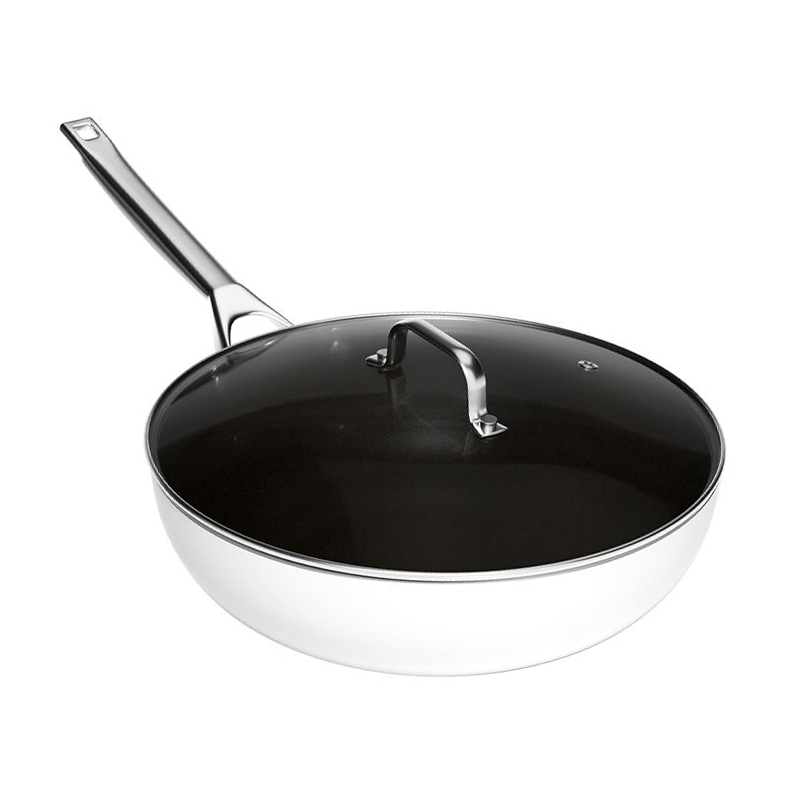
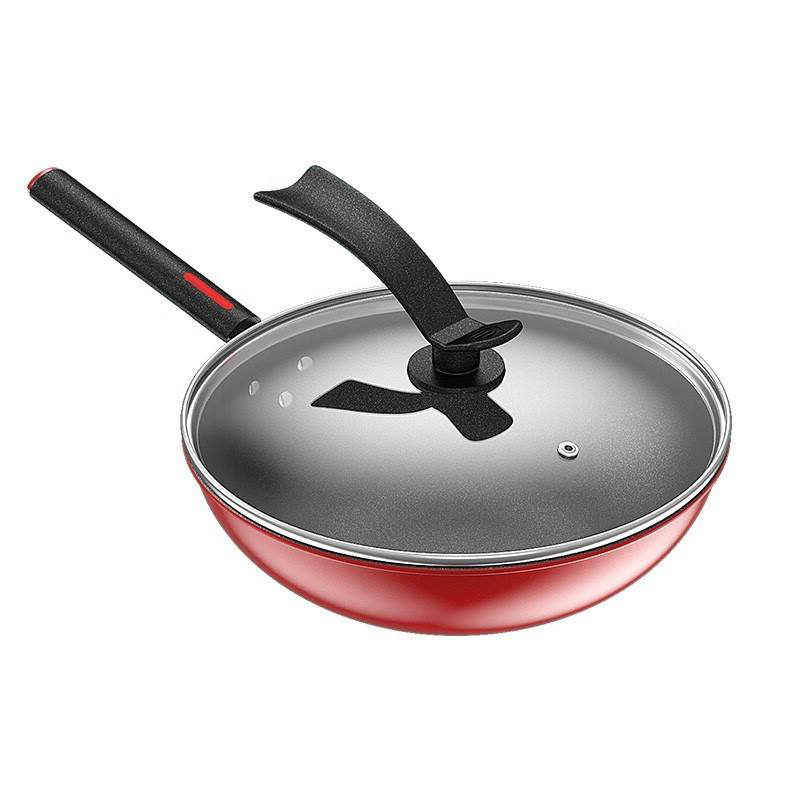
Uncoated Cookware and Non-Stick Kitchen Pans sit in two different usage patterns. One relies more on the natural surface of the material, the other uses a treated surface to change how food behaves during cooking. The way they respond is not complicated on paper, but in real cooking situations, the difference becomes easier to notice.
In kitchen supply chains and product development work, manufacturers like Wuyi Huangxu Industry & Trade Co., Ltd. are often involved in shaping how these cookware structures are adapted for daily cooking conditions, especially where repeated heating and simple handling are expected.
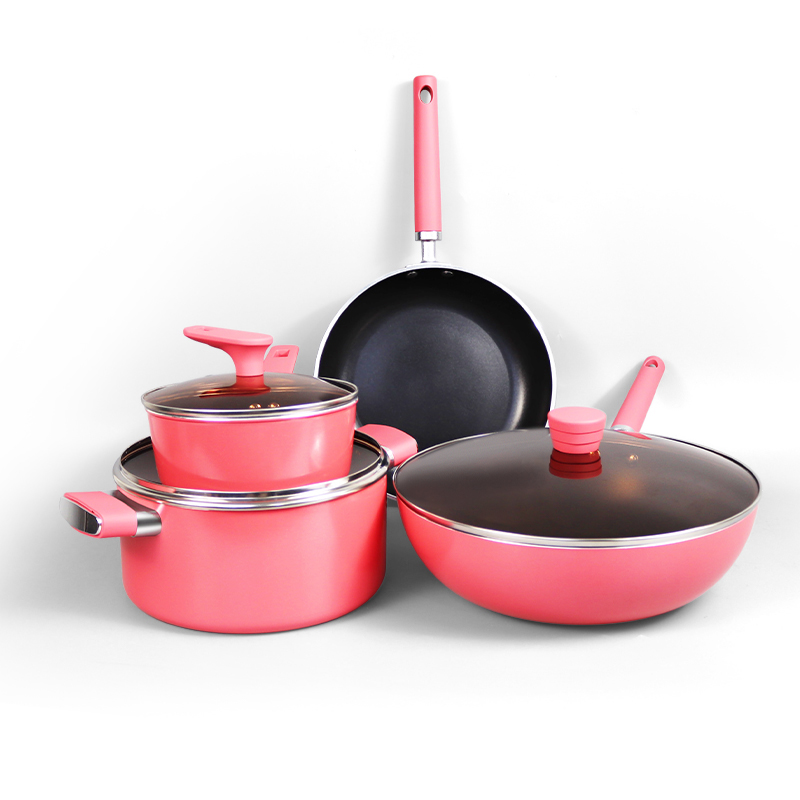
Uncoated Cookware is basically cookware that keeps its original surface without an extra layer added on top. The food touches the base material directly during cooking. That simple structure changes the way heat and food interact on the surface.
Because there is no coating separating food from the metal surface, cooking behavior depends more on control. Heat level, timing, and even the amount of oil used can shift the result quite a bit. It is not a fixed feeling from the pan, but more of a balance between the cook and the surface.
In practice, this type of cookware often feels more responsive. When heat goes up or down, the change shows up quickly in how food behaves. That is why people who use it regularly tend to adjust their cooking rhythm more carefully instead of relying on the pan alone.
Some simple characteristics that usually appear in use:
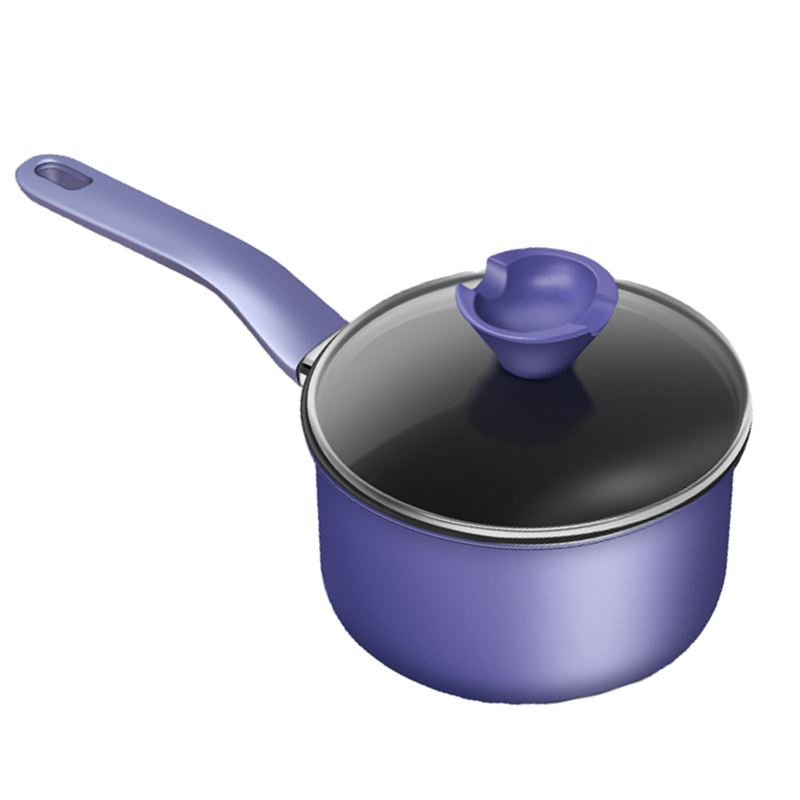
Non-Stick Kitchen Pans work in a different way. The surface is treated so that food does not attach easily during cooking. This changes how ingredients move on the pan and how they release once heated.
In daily use, food tends to slide more smoothly across the surface. This makes tasks like frying or turning food feel more manageable, especially when cooking with less oil. The surface layer acts like a buffer between the heat and the ingredients.
Still, the performance is not completely independent from cooking conditions. Heat level still matters, and how the pan is handled over time can slowly influence how stable the surface feels during use.
Typical behavior seen in use:
The difference between these two cookware types starts with how the surface is built. Uncoated Cookware keeps the base material exposed, while Non-Stick Kitchen Pans add a treated layer over it. That change in structure affects almost everything that happens during cooking.
Base materials are usually chosen for how they handle heat and how stable they stay during repeated use. In Uncoated Cookware, that base is also the cooking surface, so heat moves directly into the food without interruption.
In non stick pans, the surface layer changes that contact point. Heat still comes from the base material, but the way food reacts is slightly moderated by the coating layer on top.
| Aspect | Uncoated Cookware | Non Stick Kitchen Pans |
|---|---|---|
| Surface Contact | Direct contact with metal surface | Contact through treated layer |
| Heat Reaction | Immediate feedback during cooking | Slightly moderated response |
| Cooking Style Dependence | Relies more on user control | More forgiving during cooking |
| Cleaning Behavior | Depends on residue type | Food releases more easily |
| Surface Change Over Time | Gradual natural wear | Sensitivity to surface condition |
Material choice changes how food reacts during cooking in a way that is easy to notice once you start using both types. With Uncoated Cookware, the surface feels more active. Food responds quickly to heat changes, and small adjustments in temperature or oil can shift the result.
In non stick pans, the surface feels more controlled. Food movement is smoother, and sticking is reduced during normal cooking conditions. That makes some cooking tasks feel more predictable, especially when handling delicate ingredients.
In real use, several points tend to stand out:
These small differences add up and slowly shape how each pan feels in daily cooking.
Heat control is one of those things that quietly decides how a pan behaves in real use. It is not always obvious at the start, but after a few cooking cycles, the difference between Uncoated Cookware and Non-Stick Kitchen Pans becomes easier to notice.
With uncoated surfaces, heat moves straight into the food without much buffering. That means the pan reacts quickly when the stove setting changes. If the heat goes up too fast, the food surface can change just as quickly. If it drops, the cooking rhythm slows down immediately. Because of this, the user usually ends up adjusting the flame or induction level more often during cooking.
Non stick pans behave in a slightly calmer way. The surface layer sits between the heat source and the food, so small changes in temperature do not always show up instantly in the cooking process. It feels more stable in everyday tasks like frying eggs or warming ingredients, especially when the cooking style is simple and repetitive.
In real kitchen use, heat behavior often shows up in small details:
None of these points are dramatic on their own, but together they shape how the cookware feels during actual use.
Cleaning is usually where people start to notice long term differences. After cooking, Uncoated Cookware tends to hold onto residue depending on what was cooked and how the heat was handled. Sometimes it comes off easily, sometimes it needs a bit more time and soaking before it loosens.
Non stick pans usually make this step feel simpler. Food often releases from the surface without much effort, especially when the cooking temperature has been kept within a normal range. That does not mean it stays the same forever, but in daily cleaning it often feels less demanding.
Over time, the way the surface is treated during cleaning can slowly influence how both types behave. Harsh scrubbing or sudden temperature changes between cooking and washing can create small changes that are not visible at first, but may affect cooking feel later.
Some common habits that usually matter in real use:
These are simple steps, but they tend to influence how stable the cookware feels after repeated use.
Choosing between Uncoated Cookware and Non-Stick Kitchen Pans usually comes down to cooking habits rather than technical details. In many kitchens, both types are actually used side by side, depending on what is being cooked.
Uncoated Cookware tends to fit situations where the cook is comfortable adjusting heat and timing during the process. It gives more direct feedback from the surface, which some people prefer when working with higher heat or more controlled cooking styles.
Non stick pans are often used in daily routines where cooking needs to feel straightforward. When meals are simple and repeated often, the reduced sticking effect helps keep the process more predictable.
In practice, selection is often influenced by small daily factors:
There is rarely a strict rule in real kitchens. Instead, users tend to build their own balance based on experience over time.
In actual cooking environments, cookware does not behave in a fixed or isolated way. It reacts to heat, timing, ingredients, and even small changes in cooking rhythm. Over time, users begin to adjust their habits based on how the pan responds rather than following strict instructions.
With Uncoated Cookware, the interaction feels more direct. The surface reacts quickly, so small changes in heat or oil can be noticed during cooking. This often leads users to develop a more controlled cooking rhythm, especially when dealing with higher heat.
With non stick pans, the cooking process often feels smoother in everyday tasks. Food movement is easier, and sticking is less frequent under normal conditions. Still, users often learn to avoid overheating or rough handling to keep the surface behavior consistent over time.
These small patterns build up gradually and become part of how each cookware type is used in real kitchens, shaping daily cooking in a quiet but noticeable way.
Recommended Products


NEWDREAM: +86 13646697735
HUANGXUKITCHENWARE: +86 19557954954


Donggao Fenghuangshan Industrial Zone, Tongqin Town, Wuyi County, Jinhua City, Zhejiang Province, China
Copyright © Wuyi Huangxu Industry & Trade Co., Ltd. All Rights Reserved.
Cookware Factory

 English
 русский
 日本語
日本語 Español
 Deutsch