Inquiry
2026-05-01
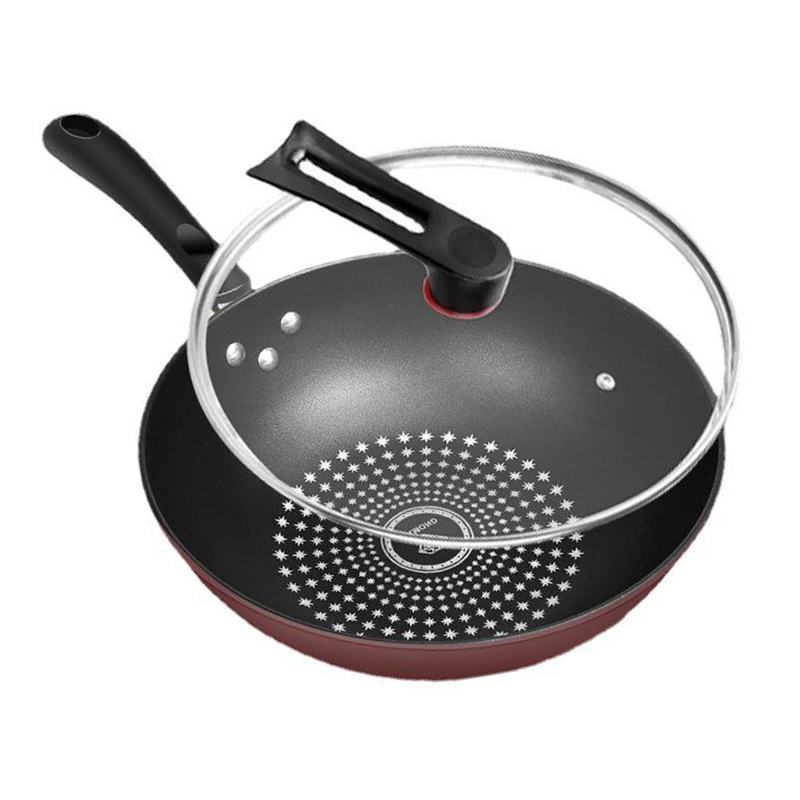
When searching for cookware, many global users are curious about how Uncoated Non-Stick Frying Pans perform without synthetic or applied chemical layers. Common questions include how these pans achieve a non-stick effect, what materials are used, and whether they are suitable for everyday cooking. Interest in Uncoated Non-Stick Frying Pans continues to grow as people explore alternative cooking surfaces.

Unlike traditional non-stick cookware that relies on a coated surface, Uncoated Non-Stick Frying Pans depend on the natural properties of their base material and surface treatment.
In many cases, these pans use metals such as stainless steel or carbon steel. The non-stick behavior develops through:
Over time, the cooking surface of Uncoated Non-Stick Frying Pans can improve in performance as food residues and oils interact with the metal surface.
Many people choose Uncoated Non-Stick Frying Pans for their durability and long-term usability. Without a synthetic coating layer, the surface is less prone to peeling or flaking.
Common reasons include:
These characteristics make Uncoated Non-Stick Frying Pans appealing to users who prioritize long-term cookware stability.
The structure of Uncoated Non-Stick Frying Pans is typically based on durable metals:
Each material influences how the Uncoated Non-Stick Frying Pans perform during cooking, especially in terms of heat distribution and food release.
Cooking with Uncoated Non-Stick Frying Pans often requires a slightly different approach compared to coated pans.
Key practices include:
1. Preheating the pan before adding ingredients
2. Applying a small amount of cooking oil
3. Avoiding sudden temperature changes
4. Allowing food to naturally release before flipping
These steps help improve the cooking experience and reduce sticking when using Uncoated Non-Stick Frying Pans.
Uncoated Non-Stick Frying Pans can be used across various cooking methods, making them adaptable for different kitchens:
1. Frying eggs, meat, and vegetables
2. Searing ingredients at high heat
3. Preparing sauces and pan-based dishes
4. Light sautéing and browning
Because of their material composition, Uncoated Non-Stick Frying Pans are often chosen for recipes that require heat control and surface responsiveness.
Before selecting Uncoated Non-Stick Frying Pans, users often evaluate:
Recommended Products


NEWDREAM: +86 13646697735
HUANGXUKITCHENWARE: +86 19557954954


Donggao Fenghuangshan Industrial Zone, Tongqin Town, Wuyi County, Jinhua City, Zhejiang Province, China
Copyright © Wuyi Huangxu Industry & Trade Co., Ltd. All Rights Reserved.
Cookware Factory

 English
 русский
 日本語
日本語 Español
 Deutsch