Inquiry
2026-04-10
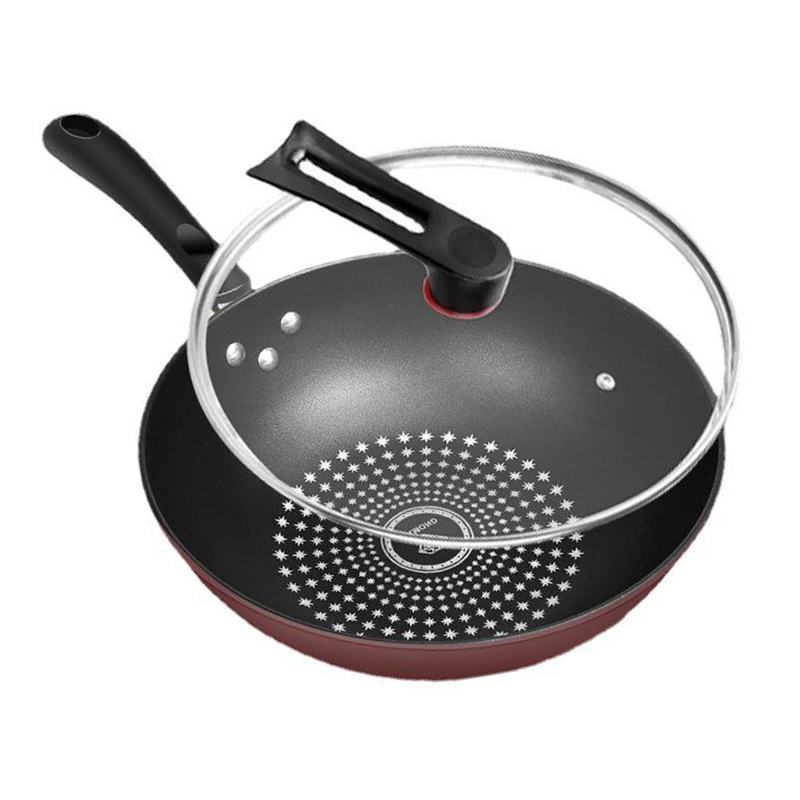
Cooking steak at home often raises questions about how to achieve consistent texture and appearance. Many users realize that cookware plays a significant role in this process. Steak Frying Pans are designed to support high-temperature cooking, which is necessary for forming a well-developed outer layer while maintaining a tender interior.
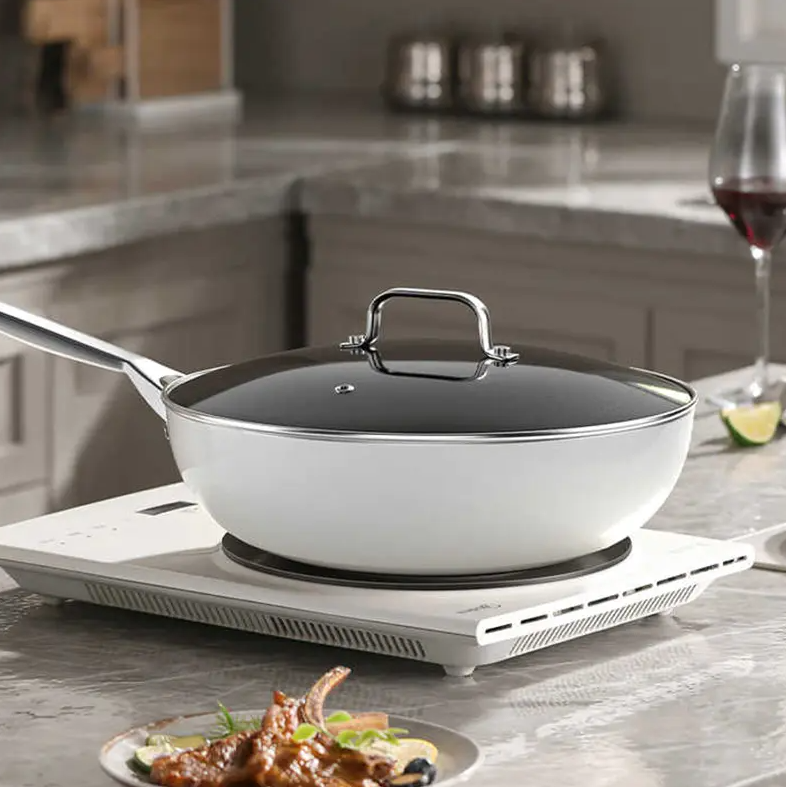
Unlike general-purpose pans, Steak Frying Pans are built to provide stable contact between the cooking surface and the meat. This helps reduce uneven heating and allows the steak to cook more consistently. As a result, users can better manage cooking time and achieve more reliable results during daily cooking.
One of the most common concerns is how heat behaves during steak preparation. Steak Frying Pans are typically designed with thicker bases or specific materials that help retain heat for longer periods. This structure reduces the impact of temperature changes when raw ingredients are added.
When steak is placed into the pan, the temperature remains relatively steady, allowing the steak frying pans to perform effectively during searing. This stability is especially useful for thicker cuts, where consistent heat exposure is important for even cooking from the surface to the center.
Texture is a key factor in steak preparation, and many users look for ways to improve it. Steak Frying Pans help create a more controlled cooking environment by maintaining even heat distribution across the surface.
1. ·A more uniform outer layer
2. ·Reduced surface moisture during cooking
3. ·Better timing control for flipping and resting
With these advantages, Steak Frying Pans allow users to focus more on cooking technique while relying on the pan to provide stable performance.
Material selection directly affects how Steak Frying Pans respond to heat. Different materials provide different levels of heat retention and responsiveness.
Heavier materials tend to hold heat for longer periods, which supports steady cooking. Lighter materials respond faster to heat adjustments, allowing more flexibility during preparation. Choosing suitable Steak Frying Pans depends on whether users prefer gradual cooking or faster temperature control.
In addition, the surface structure can influence how food interacts with the pan. A well-designed surface helps maintain consistent contact, which is important for even cooking results.
Although designed with steak in mind, Steak Frying Pans are not limited to a single use. Their ability to handle direct heat makes them suitable for a wide range of cooking tasks.
They are often used for preparing proteins such as poultry or fish, as well as for cooking vegetables that benefit from surface browning. Because of this, Steak Frying Pans can be integrated into everyday cooking without requiring separate cookware for different recipes.
This flexibility makes them practical for users who prefer simple and efficient kitchen setups.
Before selecting Steak Frying Pans, users typically evaluate how the product fits their cooking habits. Several factors influence this decision, including size, weight, and compatibility with different cooking surfaces.
A pan that is too small may limit cooking capacity, while a larger pan may require more storage space. Weight also affects handling, especially when moving the pan during cooking. In addition, checking compatibility with gas, electric, or induction cooktops helps avoid usability issues.
Understanding how Steak Frying Pans perform under different conditions allows users to choose cookware that aligns with their daily cooking needs.
Recommended Products


NEWDREAM: +86 13646697735
HUANGXUKITCHENWARE: +86 19557954954


Donggao Fenghuangshan Industrial Zone, Tongqin Town, Wuyi County, Jinhua City, Zhejiang Province, China
Copyright © Wuyi Huangxu Industry & Trade Co., Ltd. All Rights Reserved.
Cookware Factory

 English
 русский
 日本語
日本語 Español
 Deutsch