Inquiry
2026-04-17
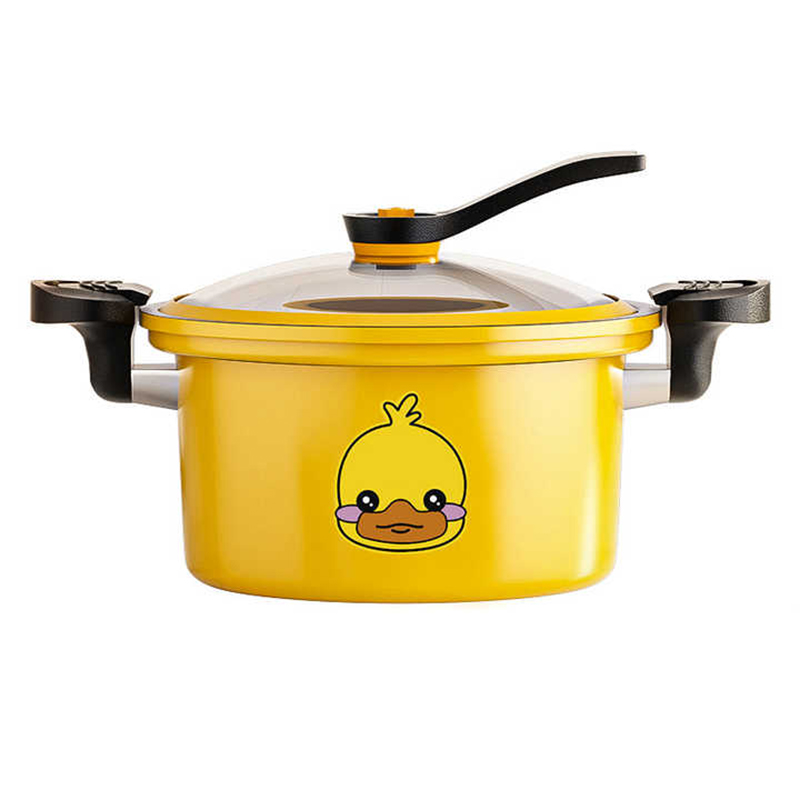
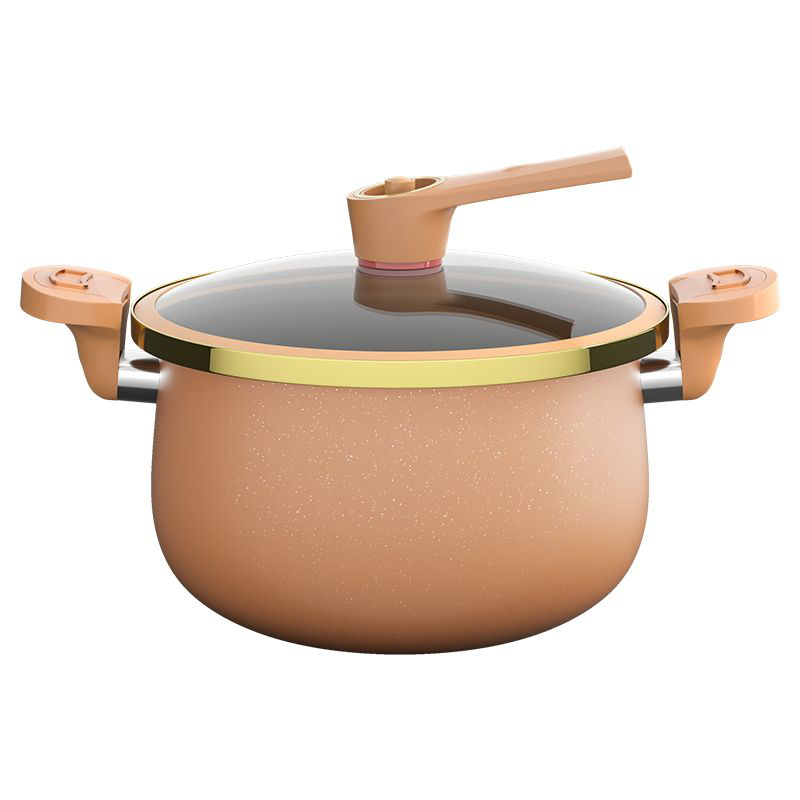
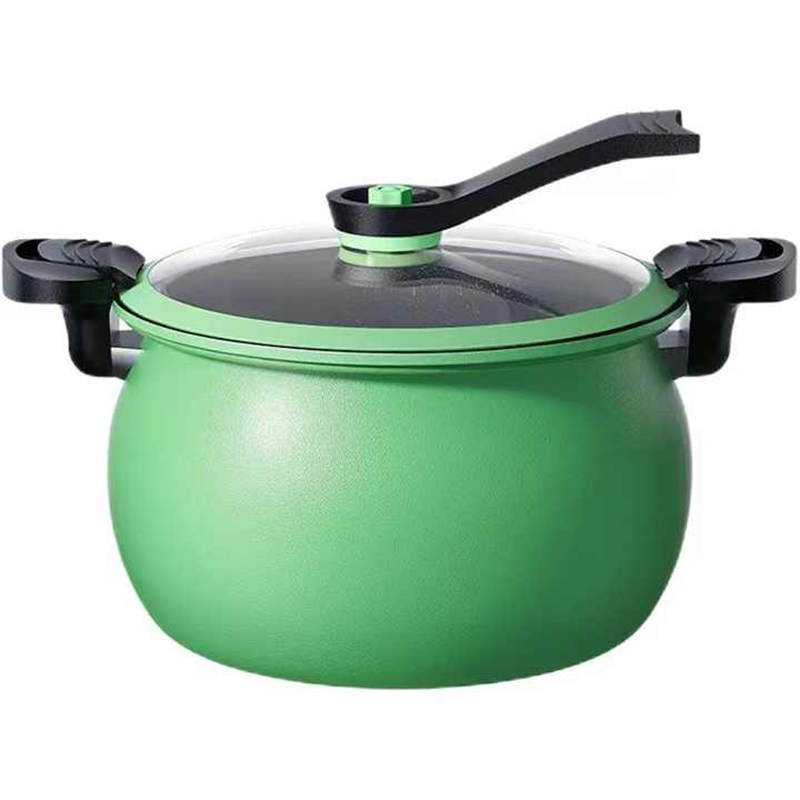
In both home and professional kitchens, preparing meals in larger quantities requires cookware that can handle volume, heat, and long cooking times. Stockpots are designed to meet these needs by offering a tall structure and wide capacity, making them suitable for liquid-based recipes and bulk preparation. This article explores common questions about Stockpots, including their uses, materials, sizing, and functional features.
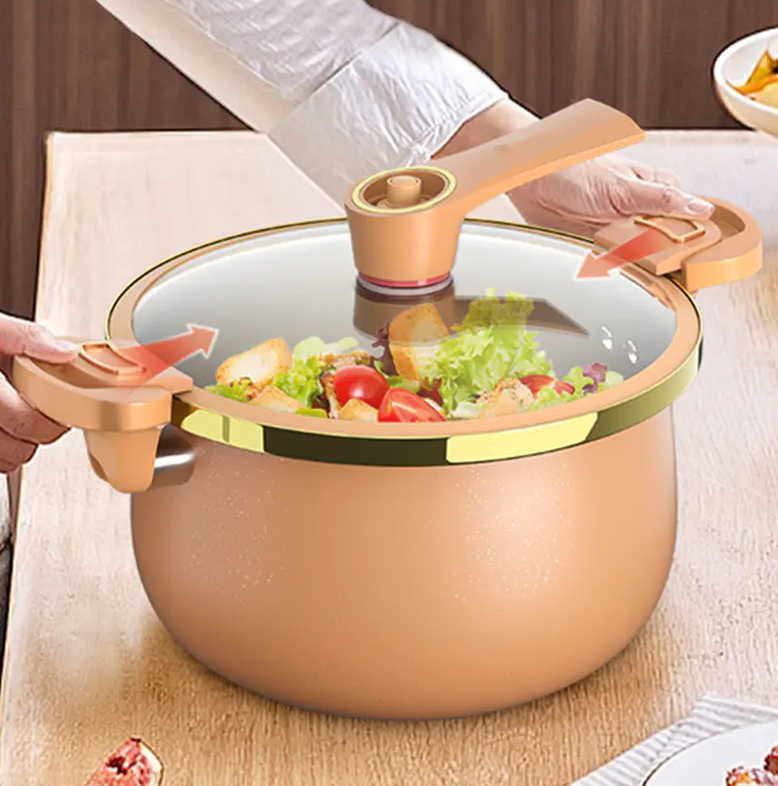
Users often ask what types of meals can be prepared using Stockpots. Their structure makes them ideal for dishes that involve liquids and extended cooking periods. Common applications include:
1. Simmering soups and broths
2. Cooking pasta or noodles in large quantities
3. Preparing stews and slow-cooked meals
4. Boiling vegetables, grains, or seafood
5. Making sauces that require gradual reduction
Because of their depth, Stockpots allow ingredients to remain fully submerged, helping heat circulate consistently throughout the cooking process.
Different materials influence how Stockpots perform under heat. Each option provides distinct characteristics:
Size selection is a practical consideration when choosing Stockpots, especially for households or food preparation environments with varying demands. Common size ranges include:
1. Small Stockpots (around 4–6 quarts): Suitable for limited portions or small families
2. Medium Stockpots (around 8–12 quarts): Common for everyday soups, pasta, and general use
3. Large Stockpots (16 quarts or more): Designed for batch cooking or preparing meals for groups
Selecting the right size helps maintain cooking efficiency while avoiding overflow or underutilization of space.
Another frequently asked question concerns whether Stockpots can be used on induction cooktops. Compatibility depends on whether the base is made from or includes magnetic material.
Beyond material and size, several design elements contribute to the usability of Stockpots:
These features collectively influence how practical and efficient Stockpots are during everyday use.
While Stockpots are commonly associated with soups and broths, they are not limited to a single function. Many users incorporate them into a variety of cooking tasks that require volume and steady heat. For example, they can be used for preparing large batches of sauces, boiling ingredients for meal prep, or cooking dishes that involve multiple components in liquid form. Their adaptability makes Stockpots a useful addition to a wide range of cooking setups.
Recommended Products


NEWDREAM: +86 13646697735
HUANGXUKITCHENWARE: +86 19557954954


Donggao Fenghuangshan Industrial Zone, Tongqin Town, Wuyi County, Jinhua City, Zhejiang Province, China
Copyright © Wuyi Huangxu Industry & Trade Co., Ltd. All Rights Reserved.
Cookware Factory

 English
 русский
 日本語
日本語 Español
 Deutsch