Inquiry
2025-12-05
Uncoated Non-Stick Frying Pans are drawing wider interest in global markets as more consumers reassess the materials used in daily cookware. Awareness of potential issues linked to traditional chemical coatings, including those involving PFAS-based technologies, has encouraged many buyers to look for alternative options. This shift in understanding is influencing both household purchasing choices and commercial kitchen procurement plans.
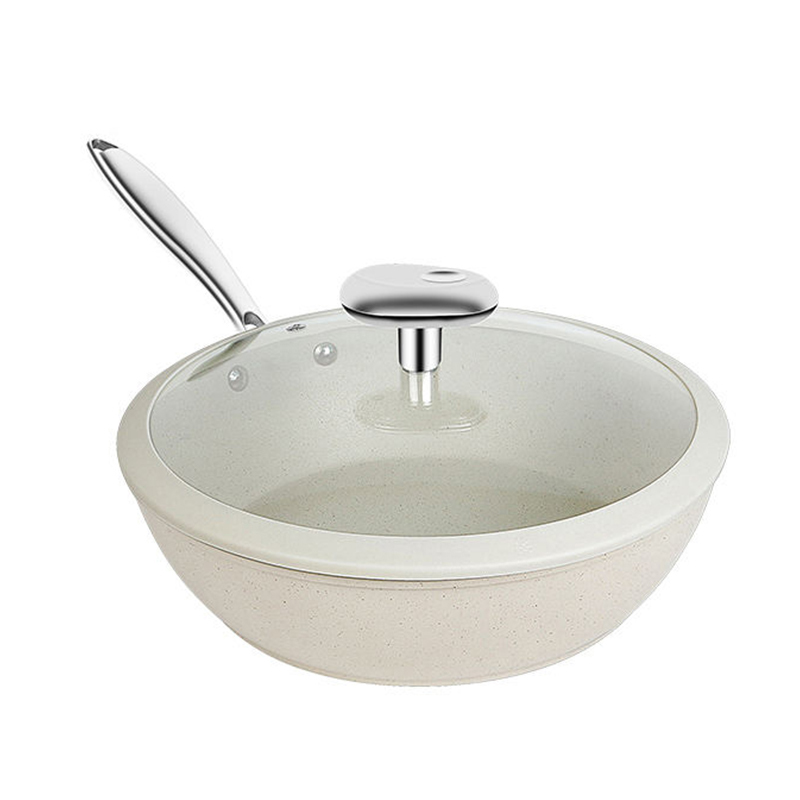
For many years, non-stick pans produced with synthetic coatings such as PTFE were considered a convenient option for low-oil cooking. However, ongoing conversations about the persistence of PFAS chemicals in the environment and their potential impact on long-term exposure have encouraged many consumers to explore alternatives. The interest is not limited to health-focused buyers. Families, restaurants, and even equipment distributors are more frequently considering cookware that avoids synthetic coatings altogether.
This trend has strengthened the position of stainless steel, carbon steel, and cast iron pans, all of which operate without applied chemical layers. These materials offer stable heating, high-temperature tolerance, and long service life. Although cooking techniques may differ from coated pans, many users find that uncoated surfaces perform well once they become familiar with proper temperature control and oil-preheating methods.
A significant share of this growing demand comes from users who prefer cookware that relies purely on natural metal construction. Stainless steel frying pans are valued for their smooth surfaces and even heat distribution. Carbon steel and cast iron pans, once seasoned, form a naturally developed surface that reduces sticking during cooking. These characteristics have contributed to their expanding popularity among home cooks who appreciate cookware that can be used for sautéing, searing, and daily meal preparation.
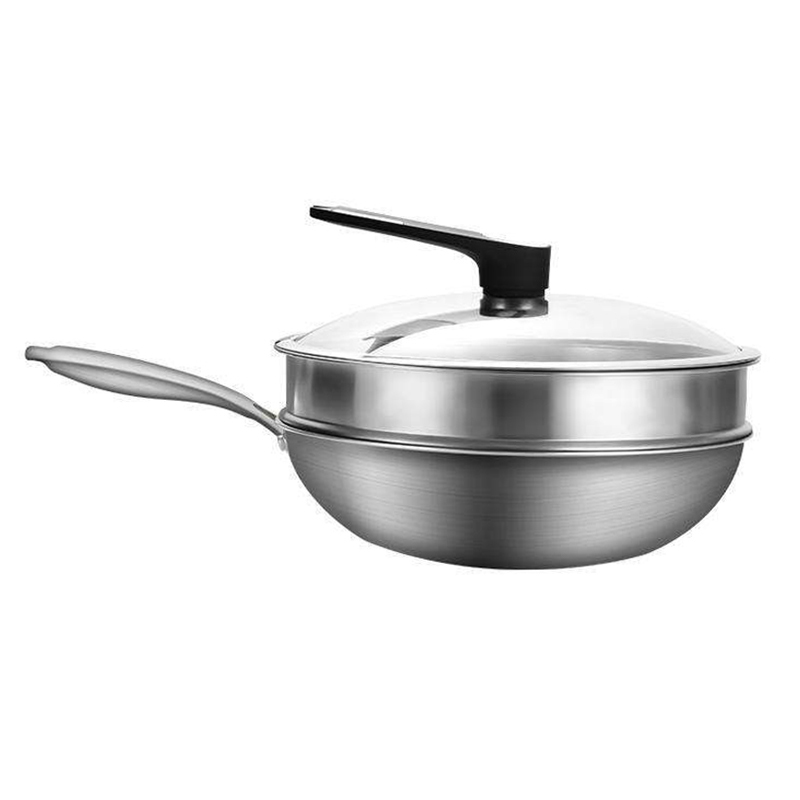
While some consumers have fully shifted toward uncoated cookware, others seek a balance between reduced chemical exposure and non-stick performance. This has led to growing interest in hybrid and multi-ply cookware. These pans are typically constructed with layered metals such as stainless steel and aluminium cores, enabling consistent heat flow while minimising the use of applied coatings.
Hybrid pans may use textured surfaces or polished finishes that offer lighter non-stick behaviour without relying heavily on traditional synthetic materials. Although they may not deliver the same degree of slipperiness associated with coated cookware, many users consider them a reliable middle-ground solution. Their steady heat response and strong structural integrity appeal to buyers looking for durable, versatile tools for everyday cooking.
Producers across the cookware industry have begun expanding their uncoated product lines. Facilities like those operated by Wuyi Huangxu, equipped with large-scale production capacity and international export networks, are adjusting their offerings in response to heightened interest in PFAS-free cookware solutions. Their stainless steel, iron, and carbon steel frying pans cater to buyers seeking long-term value, practical performance, and reduced dependency on synthetic coatings.
As discussions around cookware safety continue, the demand for Uncoated Non-Stick Frying Pans is expected to expand further. Buyers increasingly prioritize transparent materials, ease of maintenance, and compatibility with modern kitchen equipment. Whether through fully uncoated pans or hybrid multi-ply designs, consumers now have a wider range of options that align with evolving expectations for safety, durability, and performance.
Recommended Products


NEWDREAM: +86 13646697735
HUANGXUKITCHENWARE: +86 19557954954


Donggao Fenghuangshan Industrial Zone, Tongqin Town, Wuyi County, Jinhua City, Zhejiang Province, China
Copyright © Wuyi Huangxu Industry & Trade Co., Ltd. All Rights Reserved.
Cookware Factory

 English
 русский
 日本語
日本語 Español
 Deutsch