Inquiry
2026-01-23
People usually grab the stockpot when it's time for a huge pot of chili or chicken stock. That big, tall pot with the heavy bottom just feels right for stuff that bubbles away for hours. But honestly, it pulls double duty—or triple—for all kinds of other jobs. The shape keeps things from boiling over and spreads heat nice and even. You end up washing fewer dishes too. Here's the real ways it gets used day to day, nothing fancy, just what works.
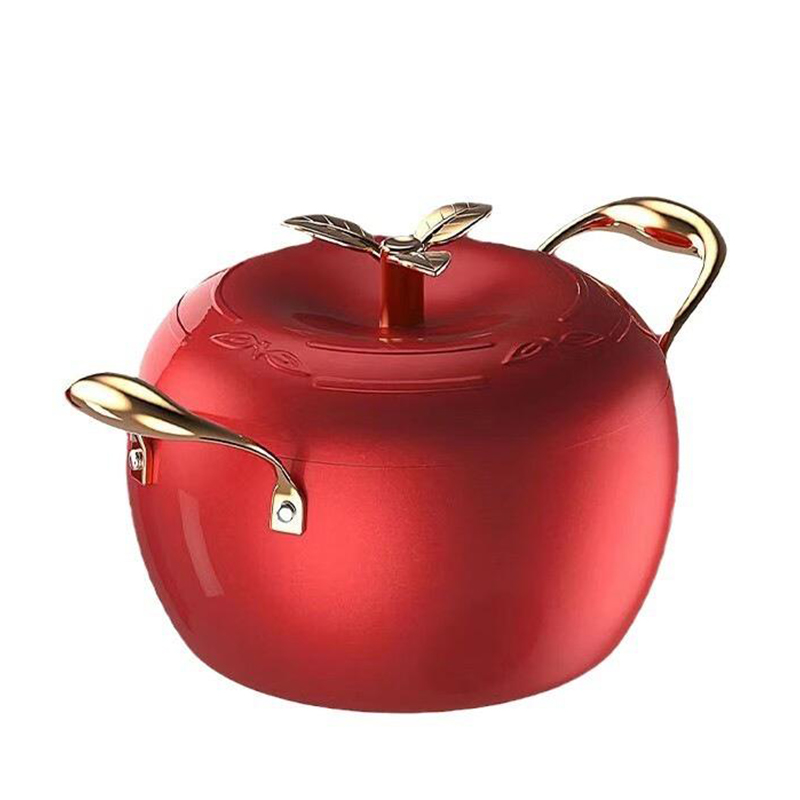
Cooking Pasta or Quick-Blanching Veggies
Fill it most of the way with water—leave a few inches at the top. Pasta has room to swim around so it doesn't turn into one big lump. Get the water roaring, salt it good, dump the pasta in, stir right away so nothing sticks. Done. Same deal for veggies: boil the water hard, toss in handfuls of beans, broccoli, whatever, count to sixty or ninety seconds, fish them out and straight into cold water. They keep that fresh green look and still crunch. Come summer, plenty of folks blanch buckets of garden stuff this way and freeze it for winter.
Cutting Down Sauces or Making Strong Broth
Pour in whatever runny sauce or weak stock you've got, turn the heat low. Wide bottom means it reduces steady, tall sides mean no mess on the stove. Stir every few minutes so the bottom doesn't scorch. Water steams off, flavor builds up. Beats using a frying pan where everything spatters everywhere. You finish with something thick enough to coat spaghetti or brush on barbecue, or broth that actually tastes like something.
Steaming Shrimp, Clams, Corn, Whatever
Stick any cheap steamer basket in there, or even a little rack from the oven. Water in the bottom, not quite touching the basket. Get it steaming, lay the food out flat—peeled shrimp, clams in the shell, ears of corn, handful of dumplings. Lid on snug. Few minutes later it's ready. Shrimp curl up pink, clams pop open, corn gets sweet. Big enough to do dinner for the whole table without dragging out extra pots.
Long, Slow Meat Cooking
Big hunks like pork shoulder, brisket, leg of lamb, or a whole bird go right in. Salt and pepper it, maybe brown the outside first for extra flavor. Chuck in some chopped onion, a few carrots, garlic cloves, couple bay leaves. Pour in beer, wine, broth, or just water till it's halfway up the meat. Lid on, turn the burner down low, walk away for three or four hours. Give it a turn once if you remember. Meat ends up fork-tender, sauce around it tastes deep, and whatever liquid is left makes gravy or next day's soup.
Occasional Frying
Not its main job, but it handles frying just fine now and then. Oil a few inches deep, heat it up slow. Tall sides keep the pops and spits inside. Drop in wings, fish pieces, sliced potatoes, even blobs of batter. Temperature stays pretty steady. Drain on some paper towels and you're good. Cleanup is easier than with a shallow pan.
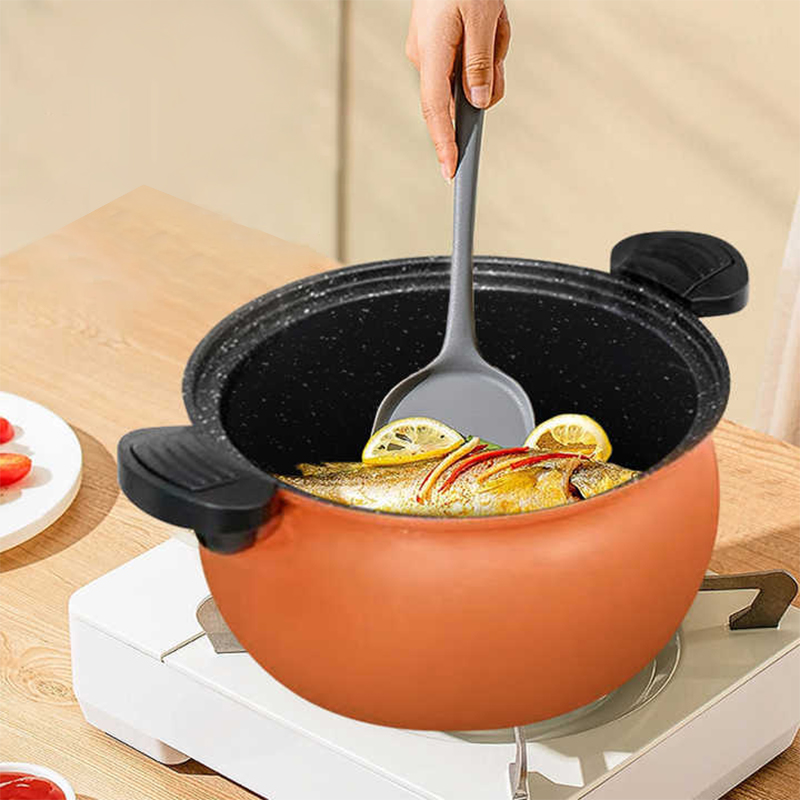
What to Look For When Buying One
Go stainless if you want something that lasts and cleans up quick—doesn't mess with acidic foods either. Aluminum is lighter on the wallet and heats fast, just don't drop it a lot. That enameled cast iron keeps heat forever on slow stuff, but you'll feel the weight every time you lift it.
Size-wise, eight quarts does most families fine. Twelve or bigger if you feed crowds, make jam, or brew beer at home.
Handles should be solid and not burn your hands. Lid needs to sit tight. If it goes in the dishwasher without drama, even better.
All said, grab a decent stockpot and it earns its spot on the shelf. Handles the daily stuff plus the weekend projects without complaining. Match it to how you actually cook and it'll be the one you reach for most.
Recommended Products


NEWDREAM: +86 13646697735
HUANGXUKITCHENWARE: +86 19557954954


Donggao Fenghuangshan Industrial Zone, Tongqin Town, Wuyi County, Jinhua City, Zhejiang Province, China
Copyright © Wuyi Huangxu Industry & Trade Co., Ltd. All Rights Reserved.
Cookware Factory

 English
 русский
 日本語
日本語 Español
 Deutsch