Inquiry
2026-01-02
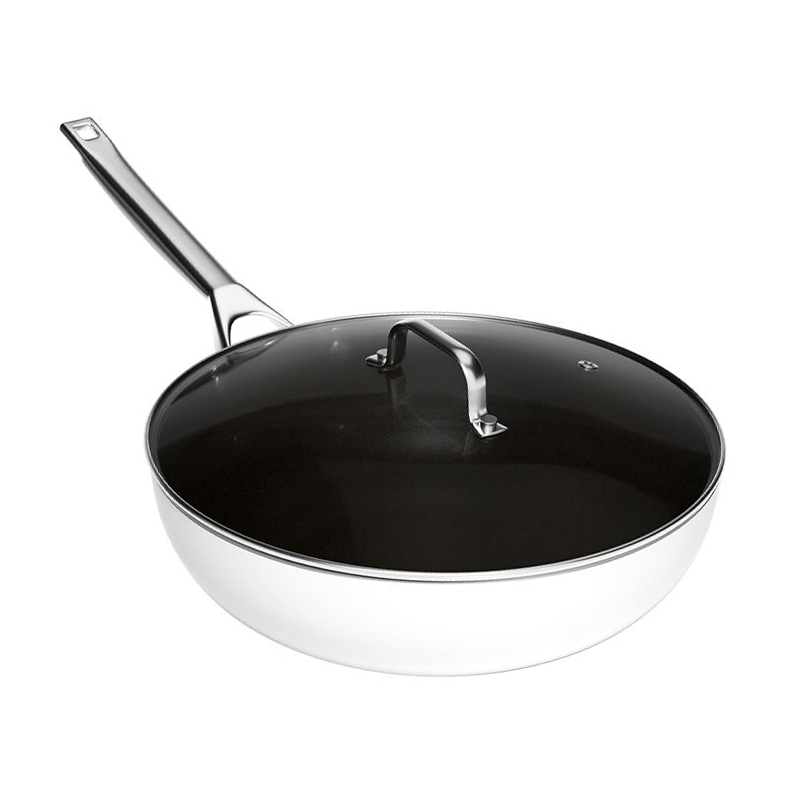
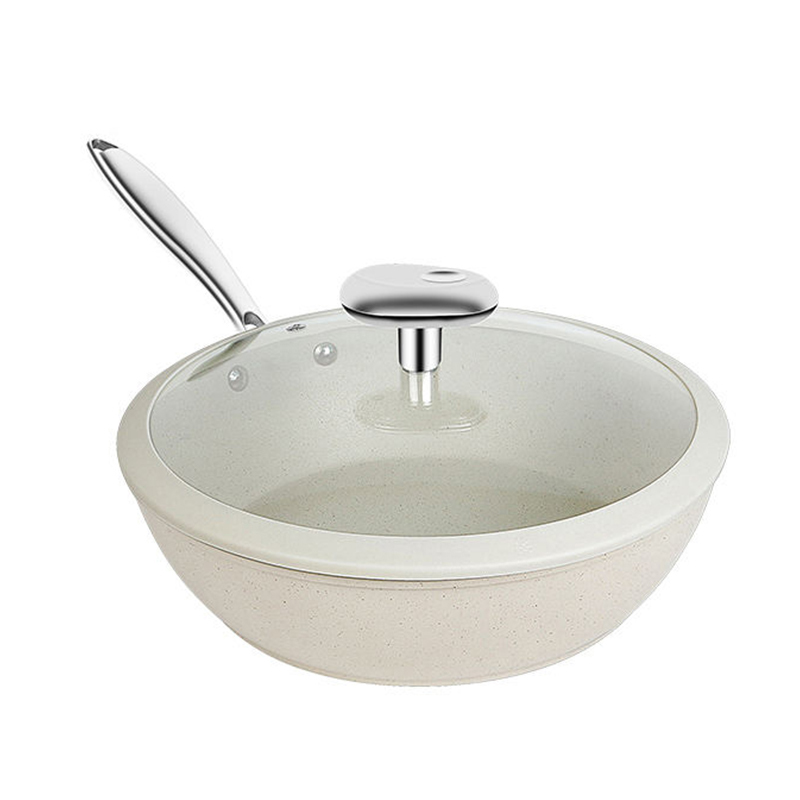
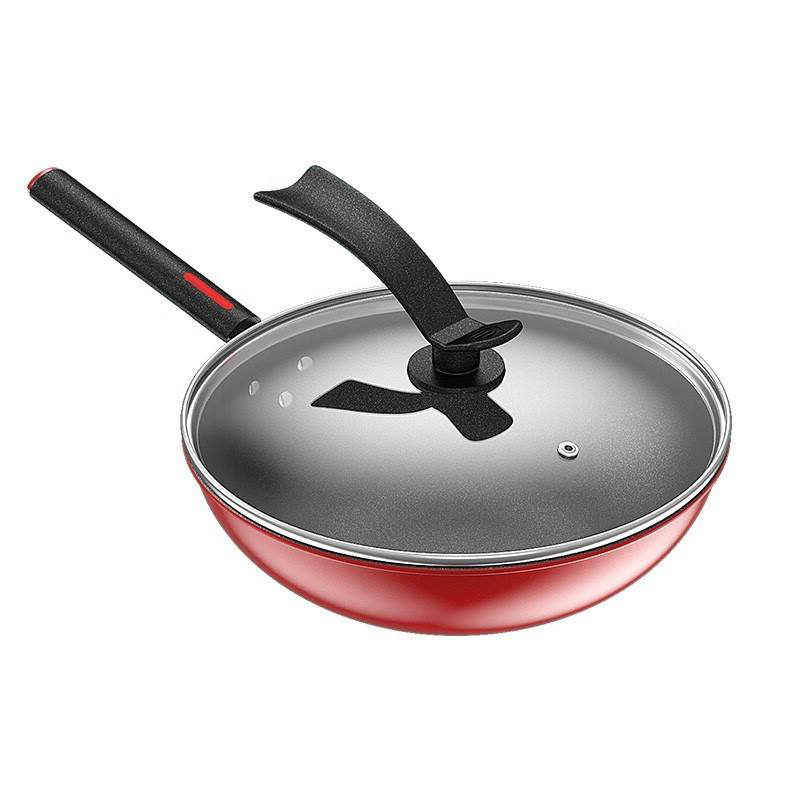
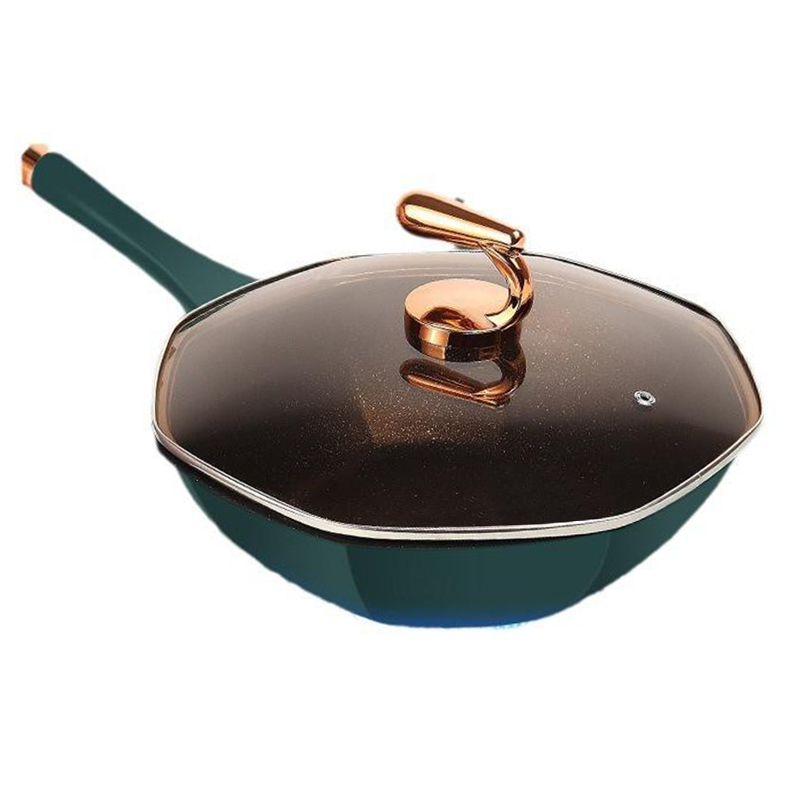
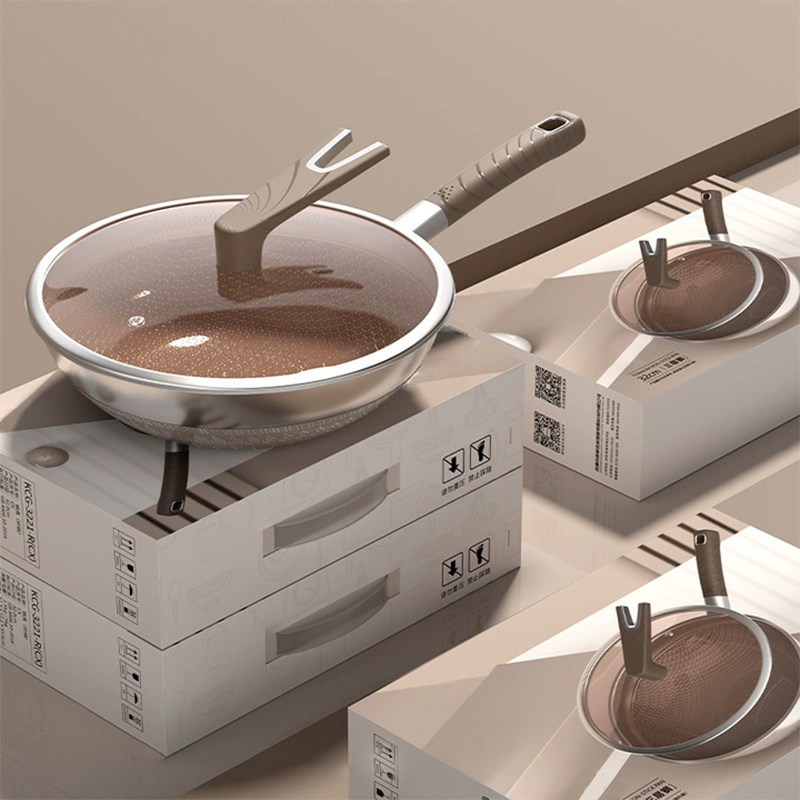
Titanium Cookware is receiving increasing interest across global consumer markets as households pay more attention to safe materials, product longevity, and practical cooking performance.This shift is influenced by a broader change in consumer thinking, where cookware is increasingly treated as an essential household item that should deliver stable performance over time. Many buyers now look beyond appearance or price and place greater importance on material reliability, everyday usability, and the long-term value the product can provide.
Growing Demand for Lightweight and Corrosion-Resistant Cookware
One of the core reasons Titanium Cookware is gaining traction is its combination of light weight and strong corrosion-resistant properties. Titanium has a density roughly half that of iron, which allows cookware to remain manageable for daily use while still providing strength and stability. For individuals who prefer pans and pots that are easy to lift, clean, and store, titanium offers measurable convenience.
In addition, titanium’s chemical stability and non-reactive nature make it appealing to consumers who want cookware that does not release metal flavors or interact with acidic or alkaline foods. Titanium’s resistance to rust, discoloration, and degradation further strengthens its position among households seeking reliable cookware made from stable materials.
These characteristics have also encouraged manufacturers to highlight titanium as a suitable choice for families who want cookware that supports everyday routines without complicated care requirements.
Multi-Layer and Composite Designs Improve Heat Efficiency
While titanium offers advantages in durability and chemical stability, its natural heat conduction rate is lower than that of aluminum. To address this, many modern Titanium Cookware products adopt multi-layer or hybrid structures. These designs typically combine:
This multi-layer engineering allows Titanium Cookware to maintain its lightweight characteristics while offering steady heat transfer, balanced cooking results, and improved overall performance. The combination of titanium and conductive metals is especially attractive for consumers who want cookware that heats efficiently without being overly heavy.
Movement Toward Coating-Free and PFAS-Free Solutions
As global awareness of PFAS, PTFE, and other traditional non-stick coating materials continues to increase, many consumers are reconsidering the role of coatings in cookware. In this context, Titanium Cookware is seen as a potential solution for those who want to reduce reliance on synthetic coatings.
Several titanium-based products use physical surface treatments, mineral blends, or metal-safe layers to provide smoother cooking surfaces. These designs aim to improve food release while avoiding conventional chemical coatings. For households seeking cookware that aligns with their understanding of safer cooking materials, titanium offers a practical alternative that supports long-term kitchen use.
Expansion in Outdoor and Portable Cookware Markets
Titanium Cookware is not limited to household kitchens. Its lightweight structure, portability, and corrosion-resistant properties make it popular in outdoor activities, including camping, hiking, and travel cooking. Outdoor users value cookware that can withstand varied environments, heat sources, and cleaning conditions while remaining convenient to carry.
Market Outlook Supports New Supplier Opportunities
The combination of material safety awareness, interest in durable cookware, and the rise of coating-free product categories suggests that Titanium Cookware will maintain a presence in both household and outdoor markets. Manufacturers focusing on multi-layer engineering, stovetop compatibility, and clear product labeling may find new opportunities to reach consumers who are actively searching for lightweight, long-lasting, and low-maintenance cookware.
Recommended Products


NEWDREAM: +86 13646697735
HUANGXUKITCHENWARE: +86 19557954954


Donggao Fenghuangshan Industrial Zone, Tongqin Town, Wuyi County, Jinhua City, Zhejiang Province, China
Copyright © Wuyi Huangxu Industry & Trade Co., Ltd. All Rights Reserved.
Cookware Factory

 English
 русский
 日本語
日本語 Español
 Deutsch