Inquiry
2026-07-10
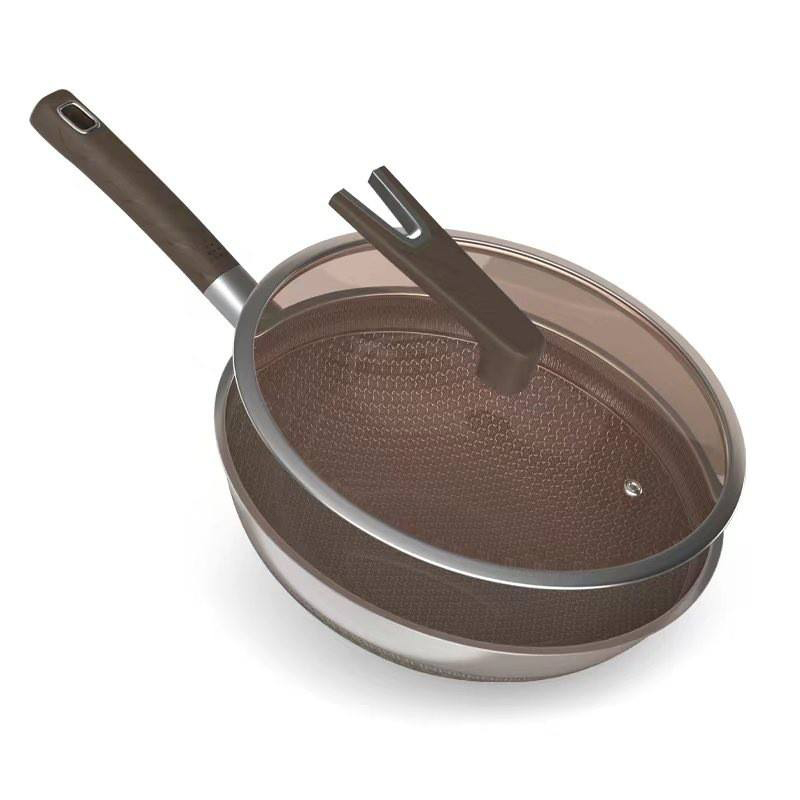
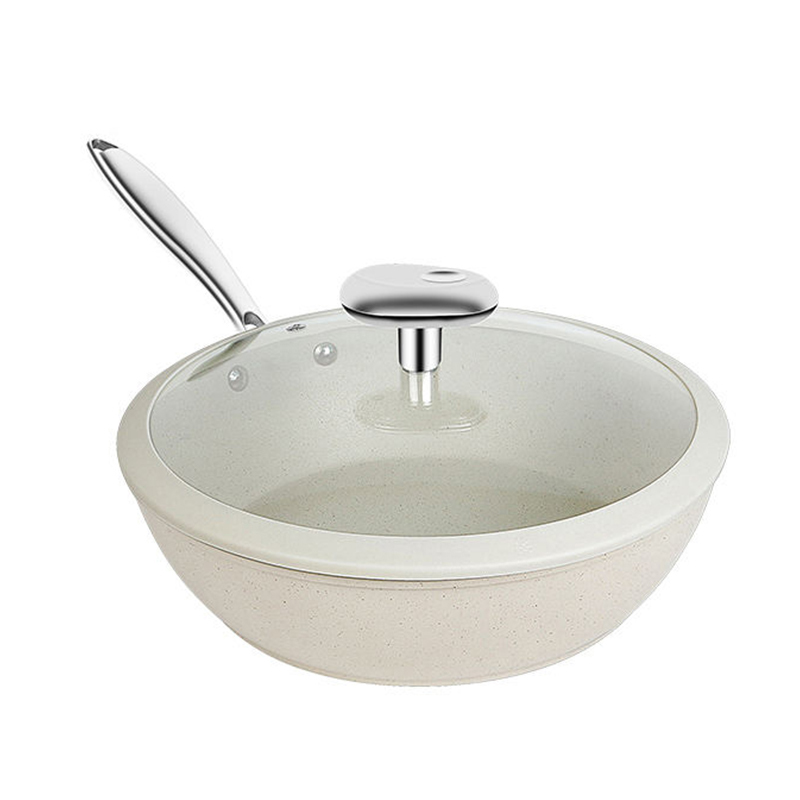
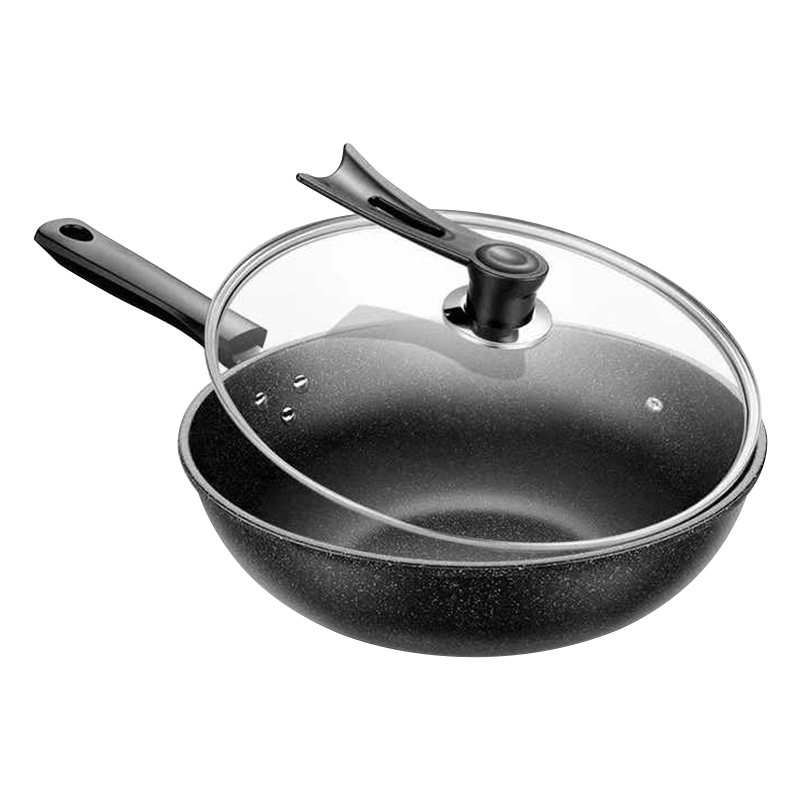
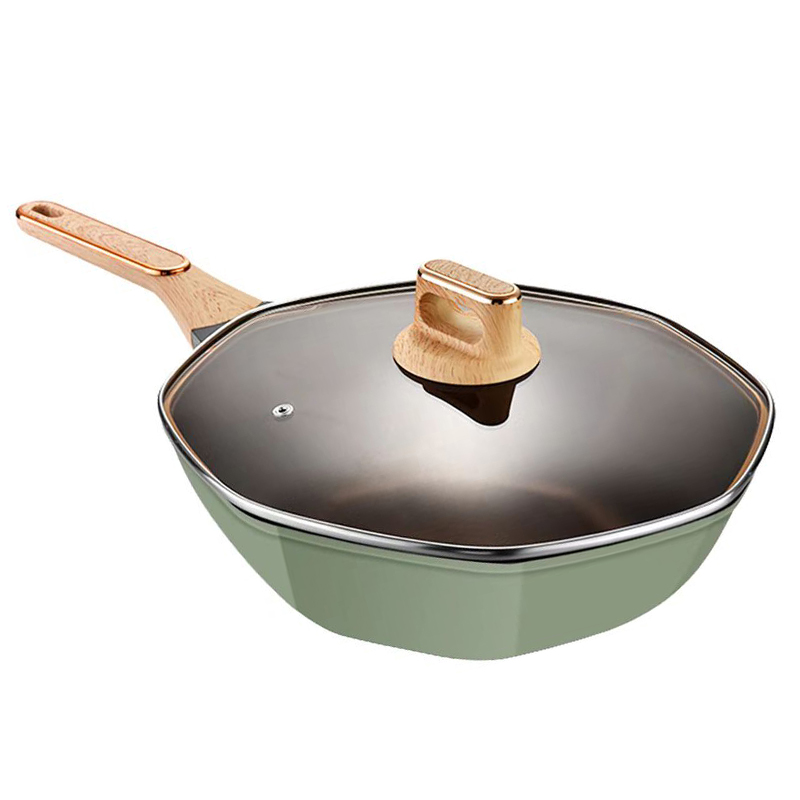
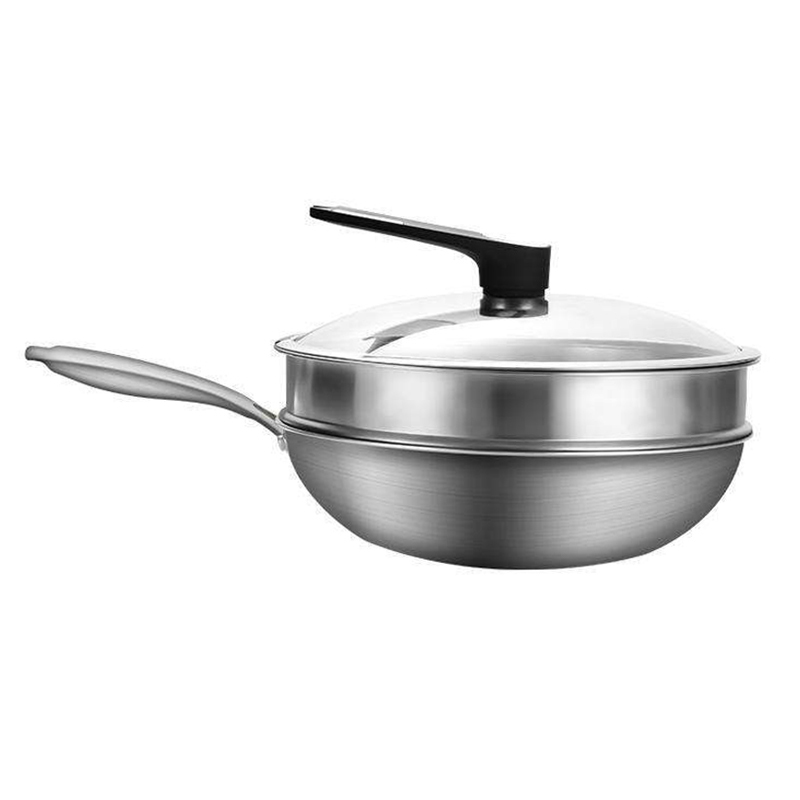
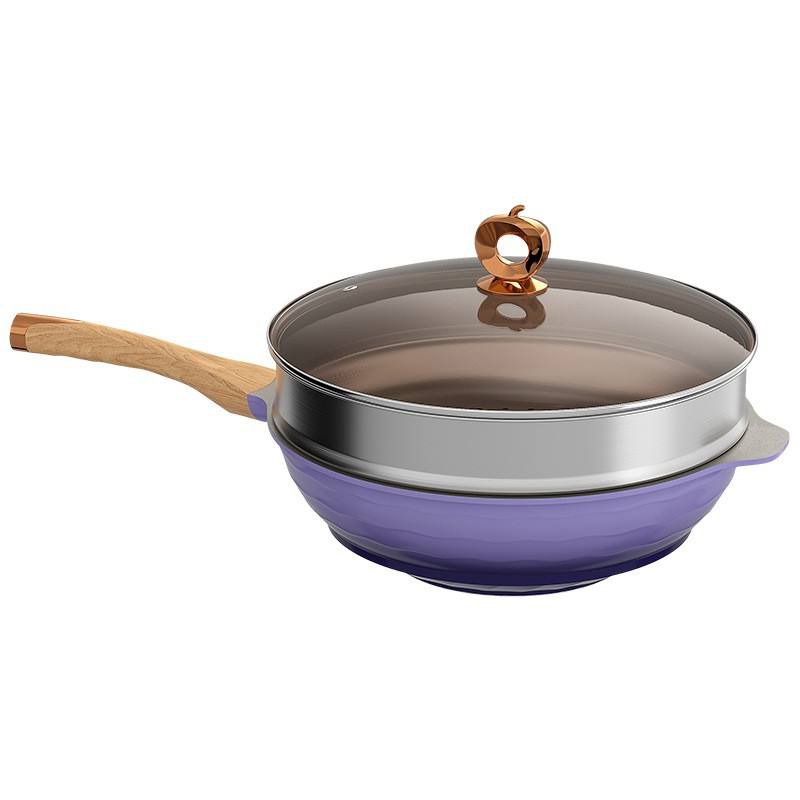
People cook in many different ways at home, switching from quick tasks to slower ones without much thought. A Stainless Steel Nonstick Frying Pan with Lid fits into these routines because its base spreads warmth steadily and the surface lets food move freely. The sides hold ingredients in place, and the lid sits snugly when needed. Cooks grab it often for everyday meals since it handles shifts in heat and moisture without fuss.
The pan works across various kitchen jobs. Its weight feels balanced when lifting or tilting. Food rarely clings after cooking, which makes serving straightforward. Over repeated uses, many notice how it moves from one method to another in the same session. Someone might brown a few items, then add liquid and cover the pan to finish gently. This kind of flow saves time and keeps flavors together.
Sautéing involves steady warmth and occasional stirring. Heat a little oil in the pan, then add chopped vegetables or small pieces of protein. The surface allows easy turning so nothing sits too long in one spot. Shallow frying uses slightly more oil to surround thinner pieces. Both approaches rely on the pan's even base to develop light color without burning underneath.
Cooks adjust the flame as they go. Lower heat near the end helps delicate foods stay tender. Here are a few common steps many follow:
These small habits lead to reliable results whether preparing sides or main elements. The pan holds family-sized amounts yet remains easy to handle on the stove.
Stir-frying moves fast under higher heat. Cut ingredients to similar sizes so they cook at roughly the same pace. Swirl oil around the heated pan, then drop in aromatics. Push them around quickly before adding proteins and vegetables. The sloped sides make lifting and turning simpler with a spatula or wrist motion.
Work in smaller batches when possible. Crowding cools the pan and steams instead of searing. Seasonings go in late so flavors coat everything without fading. The nonstick quality reduces sticking, letting attention stay on timing rather than scraping. Many home cooks value this method for weeknight dinners because everything comes together in one pan with minimal waiting.
Braising starts with browning, then shifts to moist heat. Sear pieces in the open pan until surfaces take on color. Pour in liquid or sauce afterward, then place the lid on top. Lower the flame so contents bubble gently. Steam circulates inside, softening tougher ingredients while blending surrounding flavors.
Check progress by lifting the lid now and then. Stir to redistribute elements or adjust liquid levels. The pan's construction keeps steady warmth during these longer periods. Vegetables added partway soak up broth and add their own sweetness. Toward the end, some cooks remove the lid to let sauce thicken naturally. This approach turns basic items into cohesive dishes through gradual cooking.
Simmering usually comes into play after ingredients have already been heated and some flavor has started to build. Rather than keeping the pan at a hard boil, cooks lower the heat so liquid stays in small, steady bubbles, which gives sauces, broth-based dishes, and soft vegetable mixtures time to settle into a more even texture. A Stainless Steel Nonstick Frying Pan with Lid works well here because liquid stays contained, the base warms steadily, and food is less likely to catch along the bottom while ingredients cook slowly.
A common cooking pattern begins with onions, garlic, or other aromatics, then moves into simmering once broth, sauce, or a small amount of water is added. At that stage, the lid becomes useful in a very practical way. Full cover keeps heat and moisture inside for longer periods, while partial cover lets some steam escape when a dish needs to thicken a little. Small changes in lid position can alter the final result more than many people expect.
Simmering is often used for dishes such as:
Occasional stirring matters as well, especially when ingredients sit in a thicker liquid. Stirring keeps seasoning from settling in one corner and helps delicate pieces stay evenly warmed. When the heat stays moderate, simmering gives food a slower, steadier path from raw or lightly cooked to fully ready, which is part of why this method shows up so often in everyday home cooking.
Searing is often used as a starting point rather than a final cooking step. It gives meat, fish, or vegetables a more developed surface before liquid or other ingredients join the pan. With a Stainless Steel Nonstick Frying Pan with Lid, searing can be handled in one vessel and then carried straight into later steps without moving food around more than necessary.
Good searing usually starts with dry ingredients. Extra surface moisture makes browning slower, so patting food dry before it goes into the pan can change the result quite a bit. Once the pan is hot and lightly oiled, ingredients should be laid in with enough space between pieces. Crowding makes steam build up too quickly, which pushes the food toward softening instead of forming a stronger outer surface.
After the side develops color, ingredients can be turned and held just long enough to finish that stage. At that point, broth, sauce, vegetables, or seasoning liquids may be added. Residual heat in the pan then carries the dish into a slower cooking phase, which is why searing is often paired with simmering or braising.
A few useful habits during searing include:
Searing works well when a recipe needs both texture and depth. It creates a starting layer that later cooking steps can build on, instead of leaving all flavor development to the final stage.
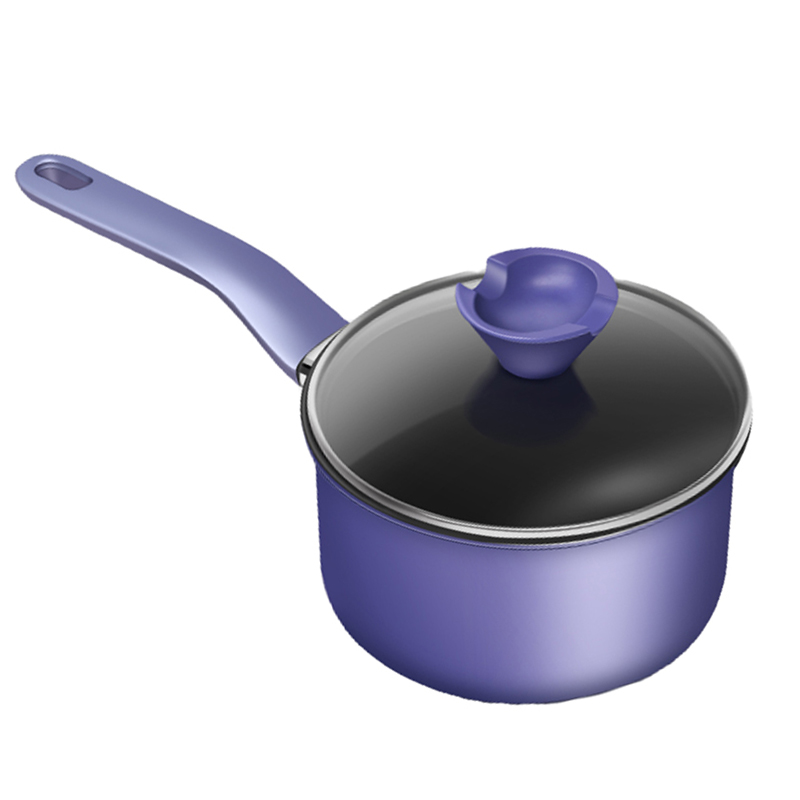
One-pan meals make sense when time is short, cleanup needs to stay simple, or a dish works better when all ingredients share the same cooking space. A Stainless Steel Nonstick Frying Pan with Lid fits that style because the pan can move through several stages without changing containers. Food can be browned, vegetables can be added, sauce can go in next, and simmering can finish the whole dish in one place.
A typical one-pan meal often starts with a base such as onion, garlic, or other aromatics. Protein may follow, then vegetables, then liquid or sauce. Each layer changes the pan a little, and each stage leaves behind flavor that becomes part of the next stage. That is one reason one-pan cooking feels efficient without being complicated.
The lid helps shape each step. Open cooking is useful when moisture needs to leave the pan, especially during browning or sauce reduction. Covered cooking is more suitable when ingredients need time to soften or when steam should stay inside for a while. A dish can move back and forth between those two states without changing cookware.
| Starting Step | Follow-Up Step | Lid Use | Common Ingredients |
|---|---|---|---|
| Brown meat or fish | Add sauce or broth | Cover after liquid goes in | Protein, onion, seasoning |
| Cook vegetables | Mix in rice, pasta, or sauce | Partial cover when combining | Mixed vegetables, herbs |
| Build a base with aromatics | Finish with simmering | Fully covered for gentle heat | Garlic, onion, broth |
| Quick fry at the start | Slow finish at the end | Open at the end for thickness | Mixed ingredients, light sauce |
Meals built this way are practical because timing stays connected. Ingredients can be added according to how quickly they cook, and the same pan can handle several textures in one dish. That makes the cookware useful for regular weekday meals, not only for special recipes.
Cooking performance is not only about the recipe. Heat control, utensil choice, cleaning habits, and storage all affect how a pan behaves over time. A Stainless Steel Nonstick Frying Pan with Lid works more smoothly when heat matches the size of the pan base, since uneven heat can leave some areas too hot while others stay behind.
After cooking, letting the pan cool naturally is a simple step that helps protect the surface. Fast cooling under cold water may be tempting after a busy meal, yet a slower change in temperature is gentler on the cookware. Cleaning is usually easier when food residue is removed with warm water and mild soap rather than harsh scrubbing.
Storage also matters. A dry cabinet or shelf helps keep moisture away, while stacked items should not press hard against the cooking surface. Using utensils that are less likely to scrape the nonstick layer can also help the pan stay in regular use for a longer stretch.
Different cooking styles create different amounts of wear, so rotating between frying, simmering, and covered cooking can keep the pan from being used in only one heavy manner. With steady handling, the same pan can remain part of daily meal prep without demanding much extra effort.
Recommended Products


NEWDREAM: +86 13646697735
HUANGXUKITCHENWARE: +86 19557954954


Donggao Fenghuangshan Industrial Zone, Tongqin Town, Wuyi County, Jinhua City, Zhejiang Province, China
Copyright © Wuyi Huangxu Industry & Trade Co., Ltd. All Rights Reserved.
Cookware Factory

 English
 русский
 日本語
日本語 Español
 Deutsch