Inquiry
2026-07-03
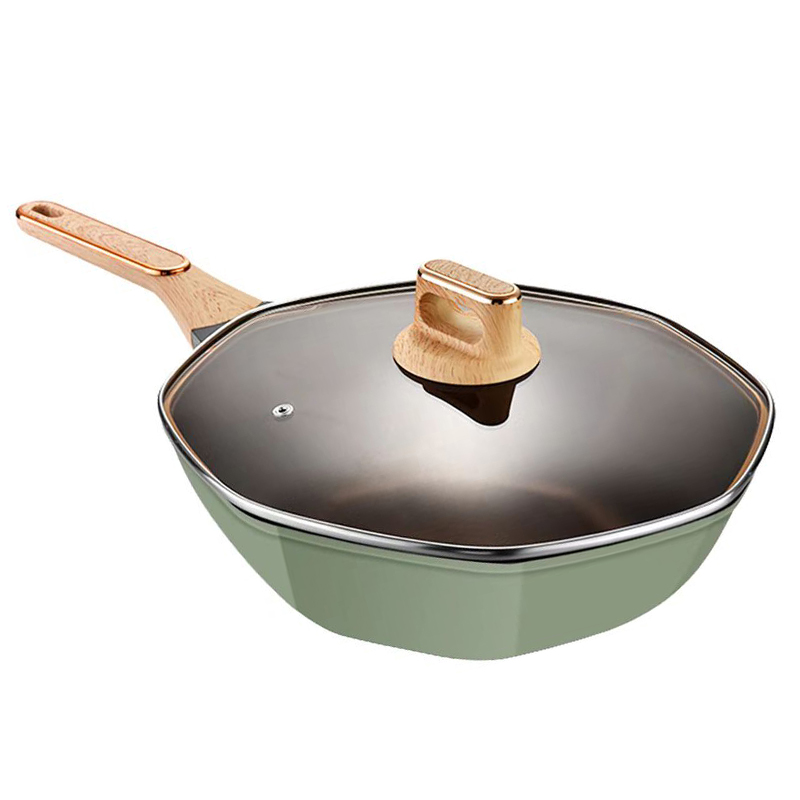
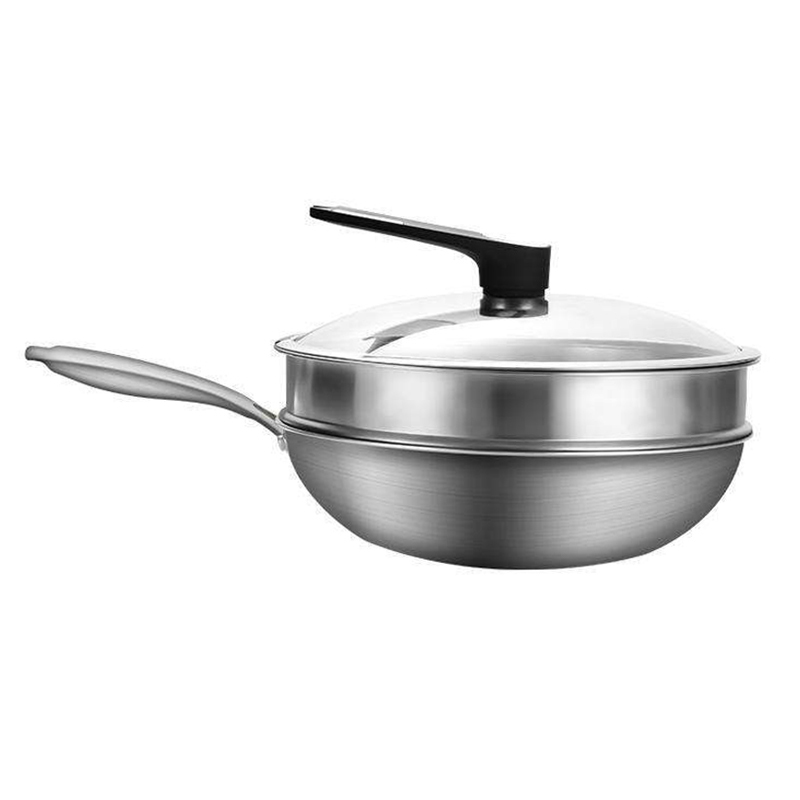
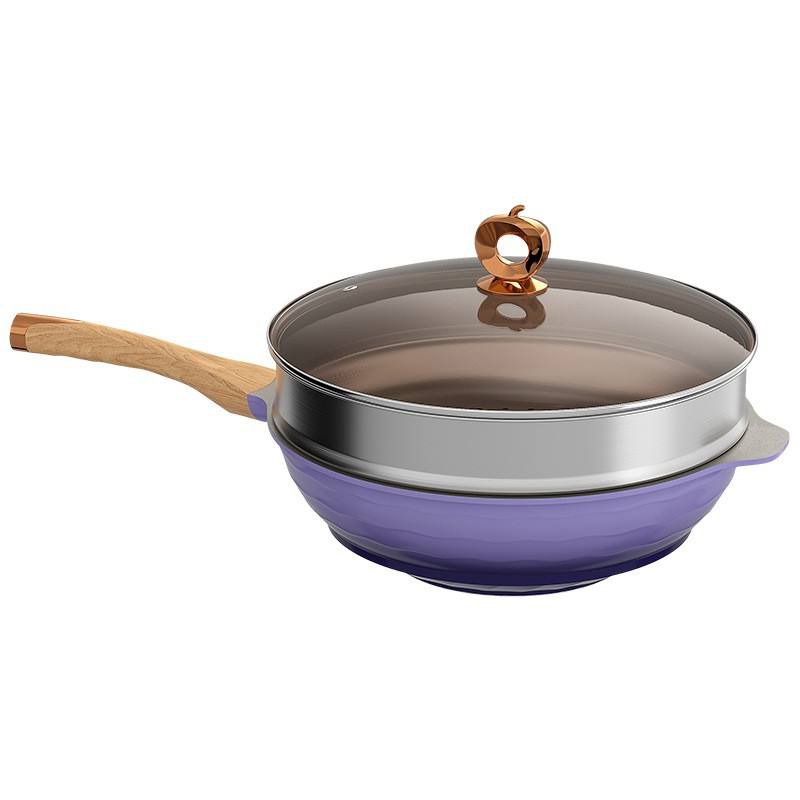
A Stainless Steel Nonstick Frying Pan with Lid usually brings together two kinds of control at once: a smoother surface for food release and a covered cooking space that holds heat in a more contained way. Traditional frying pans follow a simpler path, with open cooking and direct contact between food and metal, so the experience feels more immediate and less restrained.
In everyday kitchen work, that difference changes how ingredients move across the pan. A nonstick surface helps reduce sticking during stirring or flipping, which can make light cooking tasks feel less demanding. A traditional pan responds with stronger surface contact, so ingredients stay closer to the heat and often develop a firmer sear or more direct browning. The gap is not only about convenience, since cooking style itself starts to shift once the surface behaves differently.
The lid adds another layer. With a covered pan, steam stays inside for a longer period, which changes the pace of cooking and makes moisture behave in a more controlled way. An open pan lets that moisture leave more quickly, so the food develops a drier finish and the cooking surface stays more exposed. Kitchen routines that involve simmering, warming, or softer texture often lean toward a covered structure, while fast heat and visible browning usually fit a traditional open pan more naturally.
| Cookware Type | Surface Behavior | Heat Movement | Cooking Style |
|---|---|---|---|
| Stainless Steel Nonstick Frying Pan with Lid | Smooth release surface, less sticking | More contained heat, slower evaporation | Controlled cooking with moisture retention |
| Traditional Frying Pan | Direct metal contact, stronger grip | Open heat exposure, faster evaporation | Direct cooking with quicker browning |
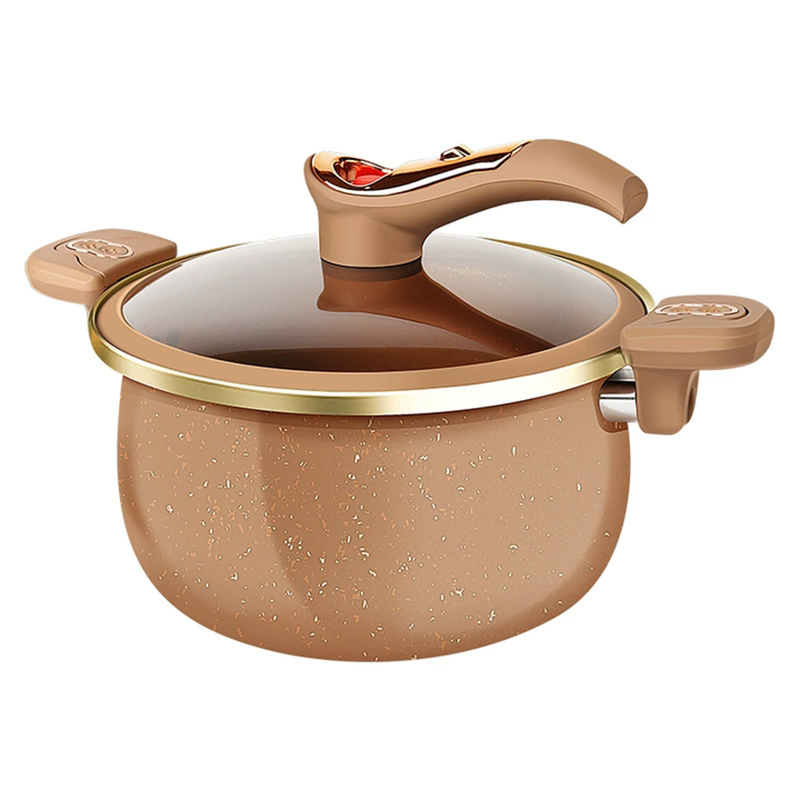
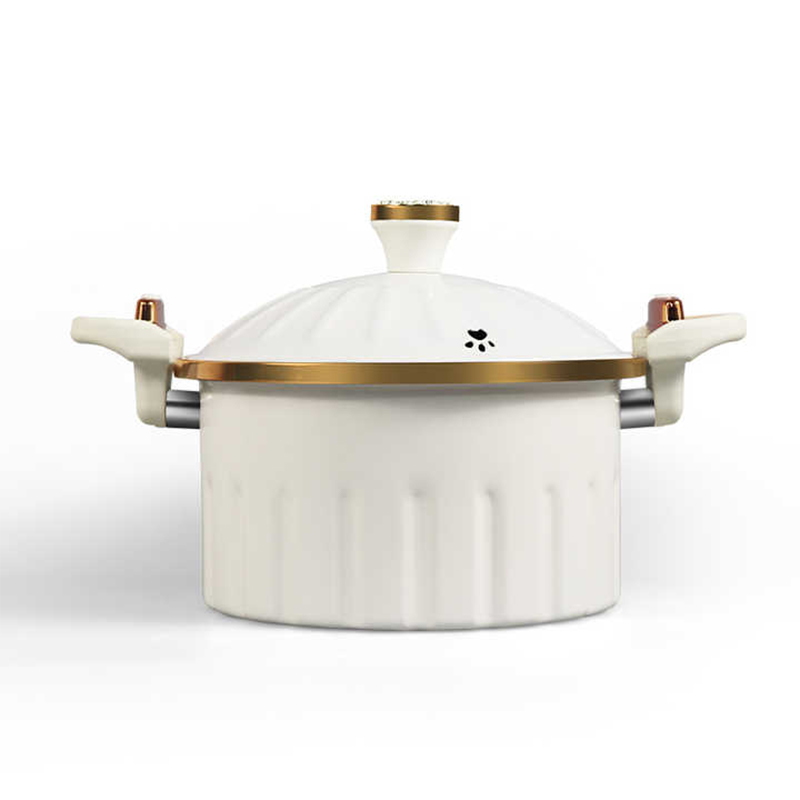
Stainless Steel Non Stick Milk Pan can also enter the same kitchen setup as a supporting tool, since liquid heating, warming milk, and handling smaller portions often call for a different shape and volume than frying work. In that sense, the choice is rarely about replacing one pan with another. It is more often about building a set of tools that suit different daily tasks.
Surface design has a quiet but steady influence on how food behaves once it reaches the pan. A nonstick surface lowers friction, which means ingredients move with less resistance during turning, stirring, or sliding from one side to another. That small change can alter the rhythm of cooking in a noticeable way, especially when delicate food needs gentler handling.
A traditional metal surface behaves differently. Food stays in closer contact with the pan, so heat passes more directly into the ingredient and the surface of the food often changes faster. That direct contact can help with browning, crisping, and stronger texture development, since moisture leaves the food more quickly under open heat.
The contrast becomes more visible when cooking habits are placed side by side. A coated surface often suits lighter tasks where release matters more than heavy searing. Bare metal works well when direct heat and firmer contact are part of the plan. Neither path is complete on its own, and each one answers a different kind of kitchen need.
The main effects usually show up in a few areas:
Stainless Steel Non Stick Milk Pan follows a similar logic on a smaller scale. Once the surface is suited to easy release and simple cleanup, liquid-based tasks become more comfortable, especially when the goal is to warm, hold, or gently prepare smaller amounts instead of handling a full frying session.
A Stainless Steel Nonstick Frying Pan with Lid becomes more practical when cooking needs a steady middle ground between open frying and covered heat control. That balance often matters in home kitchens where different dishes share the same cooking space and the same pan needs to handle more than one type of task across the day.
The lid changes the cooking rhythm in a meaningful way. Once the pan is covered, steam no longer escapes as freely, and internal heat keeps circulating around the ingredients for longer. That can support softer cooking, more even warming, and less surface drying. For food that benefits from holding moisture, the covered design often feels more forgiving than an open pan.
There is also a more ordinary benefit that appears during everyday cooking. Oil splatter tends to stay more contained under a lid, which keeps the surrounding area cleaner and reduces the need for constant wiping around the stove. In a busy kitchen, that kind of control can matter as much as the cooking result itself.
Situations where the pan tends to fit well include:
A Stainless Steel Non Stick Milk Pan also belongs in this kind of practical kitchen setup, since smaller liquid tasks often need control rather than wide surface exposure. In that setting, the two pieces of cookware work in different directions, with one focused on surface cooking and the other on smaller, more contained heating jobs.
Traditional frying pans still hold a clear place in daily cooking because the simplicity of the structure creates a direct cooking experience that many routines still rely on. Without a coated layer or covered top, the pan responds quickly to heat and keeps food in direct contact with the cooking surface, which suits methods that depend on visible change and faster evaporation.
That open structure makes it easier to watch food as it cooks. Steam leaves the pan with little resistance, the surface dries more quickly, and browning develops in a more direct way. For meals that depend on a firmer exterior or a more immediate sear, the traditional style still feels natural.
Cleaning habits also shape the experience. A bare metal surface may ask for more attention after cooking, especially when ingredients leave residue behind, yet the same surface can also handle repeated heat exposure without relying on a coated layer. That difference matters in kitchens where high heat use appears often and cooking style changes from one meal to another.
A traditional pan often fits these habits:
The choice does not come down to old versus new. It comes down to whether daily cooking leans toward direct heat and open control, or toward smoother release and a more enclosed rhythm.
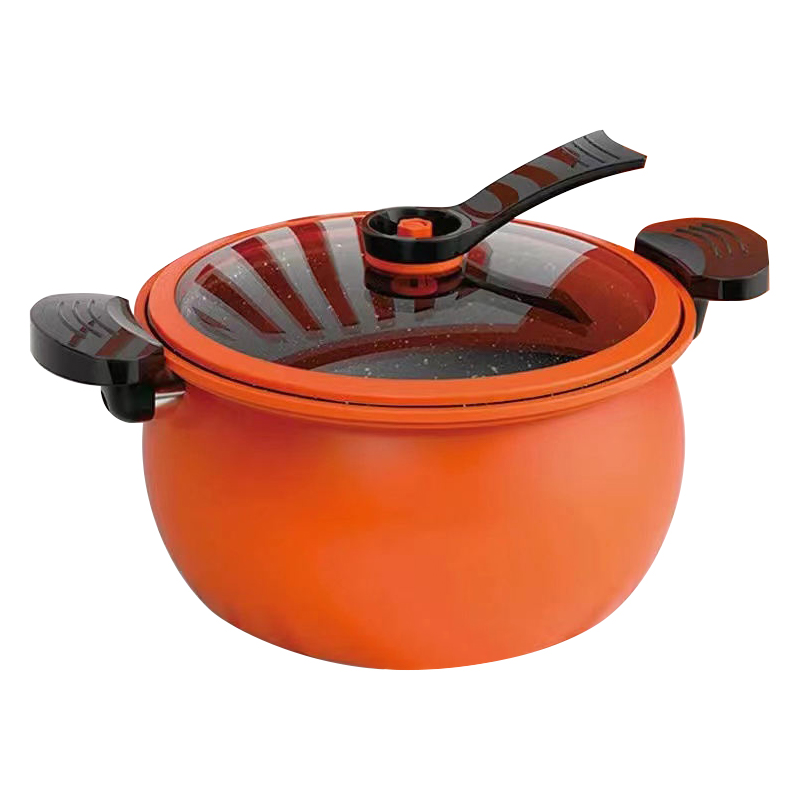
A Stainless Steel Non Stick Milk Pan plays a smaller but useful role in the kitchen, especially when tasks involve liquid, gentle heating, or limited portions. Its shape usually suits work that does not require a wide frying surface, so it fits into a different part of the cooking process rather than standing in place of a frying pan.
That smaller structure matters more than it may seem. Heating milk, warming sauces, preparing light mixtures, or handling small quantities all benefit from a pan that responds quickly and does not create unnecessary space around the liquid. In that setting, a nonstick surface helps with easier release and cleanup, while the stainless steel body adds a sense of stability during repeated use.
The milk pan often works beside frying cookware rather than competing with it. While the frying pan handles searing, turning, and surface cooking, the milk pan handles smaller heat tasks that need more control and less room. That division keeps the kitchen flow more orderly and avoids forcing one pan to do everything.
Typical roles include:
When viewed as part of a kitchen set, the milk pan becomes useful not because it does more, but because it does a different kind of work with less fuss.
A lid changes the way heat behaves in a pan in a very direct way, even though the structure itself looks simple. Once a Stainless Steel Nonstick Frying Pan with Lid is covered, steam stops escaping freely and starts moving in a closed loop inside the cooking space. That shift is small in appearance, yet it changes how moisture sits around food during heating.
Cooking in a covered state usually feels slower in rhythm. Heat stays inside longer, moisture does not leave as quickly, and ingredients tend to soften instead of drying out early. An open traditional frying pan creates the opposite condition, where steam leaves almost immediately and the surface of food reacts faster to direct heat.
The difference is also felt in control. Covered cooking reduces constant adjustments because temperature tends to stay steadier for longer periods. Open cooking depends more on ongoing attention since evaporation and browning happen at a quicker pace. Neither approach is better or worse, only different in how cooking time behaves.
Material behavior becomes clearer after repeated use rather than at the beginning. A Stainless Steel Nonstick Frying Pan with Lid relies on a coated surface to reduce sticking, which helps food move more smoothly during early stages of use. Over time, that surface reacts to heat, cleaning habits, and cooking intensity, and small changes can appear in how it feels during cooking.
Traditional frying pans work in another direction. No coating means direct contact between metal and food, so heat transfers in a more immediate way. That structure can handle strong heat cycles without depending on surface layers, although the appearance of the surface may slowly shift with time and use.
Long-term condition usually depends less on the type of pan alone and more on how it is treated after cooking. High heat use, cleaning style, and frequency of cooking all influence how each pan behaves across months of repeated use.
Cooking habits tend to decide cookware choice more than structure details. A Stainless Steel Nonstick Frying Pan with Lid often suits cooking patterns where covered heating, softer texture, and easier food release come together in one routine. It fits situations where cooking does not rely only on open flame exposure, and where moisture control plays a steady role.
Traditional frying pans feel closer to direct cooking habits. Heat is open, food is visible at all times, and texture changes faster as moisture leaves the surface. That kind of setup usually matches cooking styles that rely on quick reaction and direct heat control instead of enclosed cooking space.
In many kitchens, both types appear together because cooking tasks rarely stay in a single pattern. Frying, heating, and liquid preparation often move across different tools, and smaller cookware like Stainless Steel Non Stick Milk Pan fits into that space by handling lighter liquid tasks that do not need a wide cooking surface.
Choosing between cookware types usually becomes clearer when daily cooking behavior is looked at as a whole rather than focusing on isolated features. A Stainless Steel Nonstick Frying Pan with Lid tends to match routines where covered cooking, smoother surface interaction, and moisture retention appear regularly in preparation.
Traditional frying pans fit better where open cooking remains the main approach, especially when direct heat and fast surface change are part of the usual rhythm. The decision often depends on how often lid use becomes part of cooking and how much control is needed over moisture and heat inside the pan.
Smaller cookware like Stainless Steel Non Stick Milk Pan also plays a quiet role in shaping this choice, since liquid heating and small portion tasks are often separated from frying work, creating a more structured kitchen setup instead of relying on a single tool for everything.
Selection usually settles around how cooking naturally happens rather than how cookware is described. A Stainless Steel Nonstick Frying Pan with Lid fits routines where covered heat, controlled moisture, and smoother food release appear together during everyday cooking. It creates a more enclosed cooking space where heat moves in a steady pattern instead of staying fully open.
Traditional frying pans remain tied to open heat cooking, where surface reaction, evaporation, and direct contact shape the final result. Cooking feels more exposed, and changes in texture appear faster as heat works directly on the ingredients.
Stainless Steel Non Stick Milk Pan stays in a supporting position, handling small liquid tasks and simple heating work that does not require wide surface cooking. It separates lighter kitchen duties from frying work, helping cooking tasks feel more organized in practice.
In real use, selection tends to follow cooking rhythm. Once daily habits are matched with how heat, moisture, and surface behavior interact, cookware choice becomes less about comparison and more about which structure fits the way cooking already happens.
Recommended Products


NEWDREAM: +86 13646697735
HUANGXUKITCHENWARE: +86 19557954954


Donggao Fenghuangshan Industrial Zone, Tongqin Town, Wuyi County, Jinhua City, Zhejiang Province, China
Copyright © Wuyi Huangxu Industry & Trade Co., Ltd. All Rights Reserved.
Cookware Factory

 English
 русский
 日本語
日本語 Español
 Deutsch