Inquiry
2026-05-22
Kitchen habits rarely stay unchanged for long. Smaller apartments, faster routines, and simpler meal preparation have gradually reshaped the role of cookware inside daily life. A milk pan once handled only warm milk or quick sauces. Now, the same piece often moves through several cooking tasks in a single day. Oatmeal in the morning. Soup at lunch. Melted butter or chocolate later in the evening.
That shift explains why many households pay closer attention to cookware structure instead of focusing only on appearance. A Stainless Steel Non Stick Milk Pan fits naturally into modern cooking because the combination of stainless steel and non stick coating answers two common concerns at the same time: controlled heating and easier cleaning. Neither feature feels unnecessary in a busy kitchen.
People also cook differently than before. Long cooking sessions happen less often in many homes, while shorter reheating tasks appear more frequently. Compact cookware responds well to those habits. Smaller pans heat faster, occupy less storage space, and remain easier to wash after use. Practicality matters more than decorative design in many purchasing decisions.
Another noticeable change comes from induction cooking systems. Traditional gas stoves still exist in many kitchens, though induction surfaces continue gaining attention because they simplify temperature control and reduce excess heat around the cooking area. A Milk Pan For Induction requires more than a magnetic bottom alone. The entire base structure affects cooking stability. Uneven heat transfer often causes milk to scorch quietly at the bottom long before visible boiling begins.
Inside the Wholesale Stainless Steel Cookware industry, manufacturers increasingly focus on multifunctional cookware rather than single-purpose products. Buyers often prefer compact pans capable of handling several daily tasks without complicated maintenance routines. A well-designed milk pan responds to that demand naturally because its usefulness extends far beyond heating milk alone.
Height And Depth For Spill Control
Milk behaves unpredictably once heat rises too quickly. One moment the surface appears calm, and seconds later foam begins climbing toward the rim. Shallow cookware leaves very little reaction time. Overflow spreads fast across the stove, creating stubborn stains that require extra cleaning afterward.
Deeper pan walls change the cooking experience in subtle ways. Extra vertical space slows the feeling of urgency during heating because rising liquid remains contained longer. Cooking becomes less stressful, especially while preparing ingredients that require constant observation.
A deeper Stainless Steel Non Stick Milk Pan usually works well for:
Spill reduction is not the only advantage. Taller walls also limit splashing during stirring, which becomes useful when working with thick ingredients or simmering liquids. Small kitchens benefit from vertical cookware designs as well. Storage often feels less crowded because compact pans fit more naturally into limited cabinet space.
Encapsulated Base And Heat Distribution
Heat distribution influences flavor more than many people realize. Milk and cream react quickly to concentrated heat. Thin cookware bases frequently create hot spots near the center, and burnt residue forms long before the rest of the liquid reaches a steady temperature.
An encapsulated base helps soften that problem. Instead of trapping heat in one narrow area, layered bottom construction spreads warmth more gradually across the cooking surface. The cooking process feels steadier. More controlled.
Many Stainless Steel Non Stick Milk Pan designs rely on multi-layer bases because stainless steel alone does not always distribute heat evenly. Interior aluminum layers often improve heat movement while the outer stainless steel shell supports strength and long-term shape stability.
Induction cooking makes structural balance even more important. A Milk Pan For Induction needs close contact between the cookware base and cooking surface. Slight warping along the bottom may interrupt heating consistency. Small flaws become noticeable quickly during dairy cooking because milk burns easily under unstable heat conditions.
The relationship between cookware design and cooking performance becomes clearer in daily use.
| Design Feature | Cooking Function | Daily Benefit |
|---|---|---|
| Deep side walls | Controls rising liquid | Reduces overflow |
| Encapsulated base | Spreads heat evenly | Limits scorching |
| Pouring spout | Guides liquid flow | Cleaner serving |
| Non stick interior | Reduces food adhesion | Easier cleaning |
| Riveted handle | Improves stability | Safer handling |
Pouring Spouts And Liquid Control
Small design details often receive attention only after problems appear. Pouring hot liquid from cookware provides a good example. Without a shaped pouring edge, milk or sauce tends to run down the outer wall of the pan before dripping onto the counter or stovetop.
A formed spout improves direction and control during pouring. The difference feels minor, though repeated daily use makes the value easier to notice. Cleaner pouring means less wiping afterward and fewer accidental spills near hot cooking surfaces.
Dual pouring lips appear on some cookware designs. Such structures support easier handling from different angles, especially during fast cooking routines where movement between stove and serving area happens repeatedly.
Hot liquids demand stability. Smooth pouring becomes especially useful while transferring:
Cooking comfort often depends on these overlooked details more than large decorative features.
Handle Design And Cooking Safety
Milk pans rarely stay untouched during cooking. Stirring, lifting, tilting, and repositioning happen constantly, particularly during low-heat preparation. Weak handles become noticeable very quickly under repeated movement.
Riveted connections usually create stronger attachment points between the handle and cookware body. Stability matters because hot liquid shifts weight while pouring. A loose handle changes balance and increases discomfort during use.
Handle temperature also affects cooking experience. Hollow stainless steel handles generally transfer heat more slowly than dense solid metal structures. Hands remain more comfortable during stovetop cooking, especially while preparing recipes that require continuous stirring.
Certain foods demand constant attention:
In those situations, handle comfort stops being a small detail. Fatigue appears faster when cookware feels awkward or unstable in the hand.
Non Stick Interior And Daily Cooking Convenience
Sticky ingredients create frustration quickly. Dairy products, sugar mixtures, and thick sauces often leave residue attached to the bottom surface once overheating begins. Cleaning then becomes harder than the cooking itself.
A non stick interior changes that experience noticeably. Ingredients move more freely across the surface, especially during low-temperature cooking where delicate textures matter. Stirring feels smoother. Less resistance develops along the bottom layer.
The benefit becomes obvious while preparing foods such as:
Reduced residue also shortens cleaning time after meals. Many households now prefer cookware that lowers maintenance effort without adding complicated care routines. That preference continues influencing the Wholesale Stainless Steel Cookware market, where practical everyday function often matters more than decorative appearance.
Heating Milk Without Burning
Milk appears simple to heat. In practice, the process requires careful temperature control. High heat may scorch the lower layer quietly while the upper surface still looks unchanged. By the time boiling begins, burnt residue has already formed underneath.
Balanced heat distribution reduces that risk. A Stainless Steel Non Stick Milk Pan with a layered base warms liquid more gradually, creating a steadier cooking process. Constant stirring also becomes easier because the non stick surface limits resistance along the bottom.
Low to medium heat generally produces smoother results during dairy cooking. Rapid heating creates sudden expansion, pushing foam upward toward the rim within seconds. Many people notice fewer cleaning problems once slower heating becomes part of the routine.
Preparing Oatmeal, Custards, And Sauces
Thicker foods place more pressure on cookware surfaces than thin liquids. Oatmeal and custards settle heavily near the bottom during heating, especially when temperature spreads unevenly across the pan.
Deeper cookware supports wider stirring movement, helping ingredients circulate more evenly during cooking. Rounded interior corners also reduce buildup in difficult areas where residue tends to collect.
Sauces react strongly to excessive heat. Texture may change suddenly once temperature rises too fast. Gradual heating creates smoother consistency and reduces sticking during simmering. Cooking often feels calmer when heat remains controlled rather than aggressive.
Melting Chocolate And Butter At Low Heat
Chocolate responds poorly to unstable temperatures. Excessive heat may separate oils from solids, creating rough texture and uneven consistency. Small cookware pieces help because the compact heating area responds faster to temperature adjustments.
Butter melts more evenly in smaller pans as well. Large cookware spreads heat across unnecessary surface area, which sometimes causes uneven warming during small-batch cooking.
The non stick interior helps again during cleanup. Sweet mixtures and butter residue release more easily after cooling, reducing heavy scrubbing afterward.
Reheating Small Portions Efficiently
Large cookware often feels impractical for small reheating tasks. A compact milk pan handles smaller portions more naturally because the cooking area matches the food volume more closely.
A Milk Pan For Induction usually responds quickly on induction surfaces due to direct heat transfer through the base. Short cooking sessions become easier to manage during busy schedules where convenience matters.
Smaller cookware also reduces cleanup effort. Less surface area means faster washing, quicker drying, and simpler storage after meals. Many kitchens quietly move toward compact multifunctional cookware for exactly those reasons.
Induction cooking changes the relationship between heat and cookware. Traditional flame heating surrounds the bottom and lower sides of the pan. Induction systems work differently. Heat transfers directly through the cookware base itself.
That difference makes structural quality far more important.
A Milk Pan For Induction generally requires several important features:
Even small irregularities along the base may affect heating performance. Slight warping sometimes creates uneven cooking zones where milk overheats in isolated areas while the surrounding liquid remains cooler.
Layered bottom construction helps stabilize heat flow across the cooking surface. Dairy products benefit from slower, more even warming because scorching develops easily under concentrated heat.
Another detail often overlooked involves cooking rhythm. Induction systems react quickly to temperature adjustments. Some cooks appreciate that responsiveness immediately. Others need time to adapt because rapid heat changes affect delicate ingredients differently than gas cooking.
Inside the Wholesale Stainless Steel Cookware sector, induction-compatible cookware continues gaining attention as compact electric cooking systems become more common in modern kitchens. Practical structure now matters more than decorative styling alone.
A milk pan rarely looks very dirty after cooking. The surface may appear clean at a glance, especially after heating simple ingredients like milk or soup. In reality, thin layers of residue often stay attached to the bottom and inner wall. Dairy products are particularly difficult in that regard. Once proteins settle and cool completely, cleaning becomes more time-consuming than many people expect.
Good maintenance usually starts before washing even begins. Many people instinctively place a hot pan under cold running water right after cooking. The habit feels harmless. Over time, repeated temperature shock may slowly affect the metal structure, especially around the base area. A Milk Pan For Induction depends heavily on flat bottom contact, so preserving structural balance matters more than people often realize.
Allowing the cookware to cool naturally creates a gentler transition between cooking and cleaning. No rush is needed. Warm water generally works better anyway because softened residue separates from the surface more easily.
For ordinary daily cleaning, mild soapy water is often enough. A short soaking period helps loosen thin milk films and sticky sauce residue without heavy scrubbing. Kitchens handling dairy products frequently tend to rely on this method because it reduces unnecessary surface friction.
Cleaning tools deserve more attention than they usually receive. Rough scrubbers may remove stains quickly, though repeated abrasion slowly damages the non stick layer. Soft sponges often clean more effectively in the long run because they protect the smooth cooking surface instead of wearing it down.
Simple routines usually work well:
Drying is often overlooked. Stainless steel surfaces can develop faint mineral marks after air drying, especially around the outer base and rim. A dry cloth solves the problem in seconds. Small details like that quietly shape how cookware looks after months of regular use.
Many buyers focus heavily on heating performance when choosing a Stainless Steel Non Stick Milk Pan. Cleaning experience deserves equal consideration. A pan that cooks well but feels frustrating to wash rarely stays enjoyable during daily kitchen use.
Burnt milk creates a particular kind of mess. The smell lingers in the kitchen, while dark residue grips the bottom surface tightly. Scraping aggressively often becomes reaction. Usually, that approach creates more problems than solutions.
Gentler cleaning methods tend to protect cookware more effectively.
Warm vinegar and water form one practical solution for hardened residue. Once heated slowly inside the pan, the mixture begins loosening burnt layers from the surface. The process takes a little patience. Still, softened residue lifts far more easily afterward, often without heavy pressure or scratching.
Wooden utensils help during this stage because they remove loosened buildup without damaging the non stick coating. Metal tools may seem faster, though repeated scraping gradually weakens the cooking surface. Small scratches become larger over time.
Baking soda paste works differently. Instead of relying mainly on heat, the paste softens stubborn stains through prolonged contact with the residue layer. Thick burnt spots sometimes require extra waiting time. Leaving the paste overnight often reduces cleaning effort the next day.
Several methods remain useful for difficult stains:
| Cleaning Method | Purpose | Surface Effect |
|---|---|---|
| Warm vinegar simmer | Softens burnt milk | Gentle on coating |
| Baking soda paste | Lifts stubborn stains | Mild cleaning action |
| Wooden utensil scraping | Removes loosened residue | Reduces scratching |
| Soft nylon scrub pad | Cleans remaining marks | Maintains surface texture |
Exterior discoloration causes concern for many cookware owners. Brown or rainbow-like marks may appear after repeated heating cycles, particularly on stainless steel surfaces exposed to high temperatures. In many cases, those marks remain cosmetic rather than functional. Cooking performance usually stays unchanged.
That point matters because some people over-clean cookware in an attempt to restore a factory-like appearance. Excessive scrubbing sometimes damages the surface more than the stain itself. A certain amount of visible wear simply reflects regular kitchen use. Perfect visual condition is not always realistic in cookware used every day.
Cookware rarely fails suddenly. More often, small habits slowly change the surface, structure, or heating performance over time. Damage tends to build quietly through repeated daily routines.
Steel wool remains one of the more damaging cleaning choices for non stick interiors. The rough metal texture leaves tiny scratches across the coating. The marks seem minor. Months later, food begins sticking more easily because the once-smooth surface has become uneven.
High heat creates another common issue. Empty cookware placed over strong heat for extended periods experiences unnecessary stress, especially on induction cooktops where temperature changes happen quickly. The base may gradually lose stability, while the coating surface becomes more vulnerable to wear.
Storage habits influence cookware condition too. In smaller kitchens, pans are often stacked tightly together to save space. Constant metal-to-metal contact leaves scratches along rims and interiors, particularly when cookware shifts during storage.
A few mistakes appear repeatedly in everyday kitchens:
Strong chemical cleaners deserve caution as well. Fast stain removal sounds appealing, though repeated exposure to harsh cleaning agents may slowly affect coating stability. Mild cleaning methods usually support more consistent long-term maintenance.
People often associate durable cookware with low maintenance. Daily experience suggests something slightly different. Even well-made cookware benefits from careful handling. Small routines matter. Sometimes more than expected.
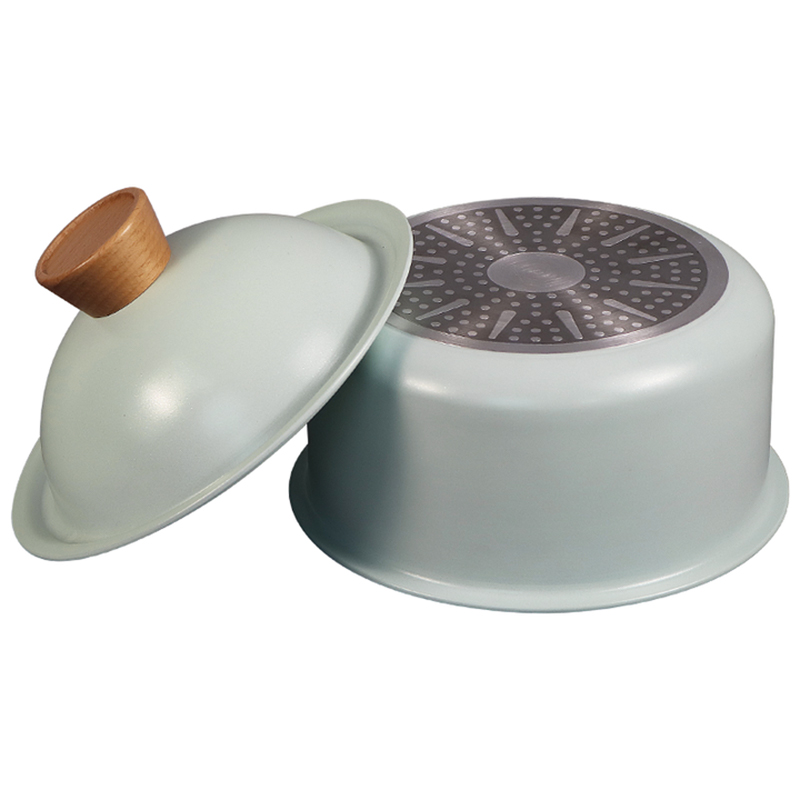
The condition of cookware often reflects ordinary habits rather than occasional deep cleaning. Daily routines shape long-term performance quietly, one use at a time.
Moisture control plays a larger role than many expect. Storing cookware before fully drying may leave mineral marks across stainless steel surfaces or create dull patches along the base area. Dry storage conditions help maintain a cleaner appearance over longer periods.
Compact kitchens create additional challenges because cookware pieces frequently touch each other inside drawers or cabinets. Thin protective liners help reduce direct friction between pans. Such a simple step often prevents unnecessary scratches around the cooking surface and rim.
Cooking temperature also influences longevity. Very high heat rarely improves the performance of a Stainless Steel Non Stick Milk Pan during ordinary kitchen tasks. Milk, sauces, and oatmeal generally respond better to moderate heating anyway. Gentler temperatures place less stress on the layered base and coating surface while producing steadier cooking results.
Base stability remains especially important for induction cookware. A Milk Pan For Induction depends on flat contact with the cooking surface to maintain balanced heat transfer. Repeated overheating or sudden cooling may slowly affect that alignment, sometimes creating uneven heating patterns later.
Practical maintenance habits usually stay uncomplicated:
Inside the Wholesale Stainless Steel Cookware market, buyers increasingly pay attention to long-term usability instead of focusing only on appearance. Decorative styling still attracts attention, though daily convenience often shapes real satisfaction after months of use.
Modern kitchens continue moving toward cookware that feels manageable rather than overly specialized. A Stainless Steel Non Stick Milk Pan fits naturally into that shift because the design supports both practical cooking and simpler maintenance without adding unnecessary complexity.
Recommended Products


NEWDREAM: +86 13646697735
HUANGXUKITCHENWARE: +86 19557954954


Donggao Fenghuangshan Industrial Zone, Tongqin Town, Wuyi County, Jinhua City, Zhejiang Province, China
Copyright © Wuyi Huangxu Industry & Trade Co., Ltd. All Rights Reserved.
Cookware Factory

 English
 русский
 日本語
日本語 Español
 Deutsch