Inquiry
2026-09-25
A pot of stew on a stovetop usually involves several ingredients cooking at once — meat that needs time to break down, root vegetables slowly softening, beans changing texture as they absorb moisture. The cooking method itself shapes how these components come together in the finished dish.
A pressure cooker works by sealing steam inside rather than letting it escape into the kitchen air. Heat and moisture stay concentrated around the food, which changes the evaporation pattern compared with an open pot on a burner.
For soups and stews, that retained moisture affects both texture and the character of the broth. Ingredients stay surrounded by steam and liquid throughout cooking, letting flavors from meat, vegetables, and seasonings mix within a contained space rather than dispersing into the air above an uncovered pot.
The outcome still depends heavily on preparation choices. Ingredient size, how much liquid goes in, heat level, and how pressure gets released afterward all shape the result. A few things worth keeping in mind:
Sealing the pot also cuts down on how much aromatic flavor escapes as steam. The liquid stays inside the vessel, so ingredients keep contributing to the broth instead of losing character through a long, open simmer where steam carries flavor compounds away with it.
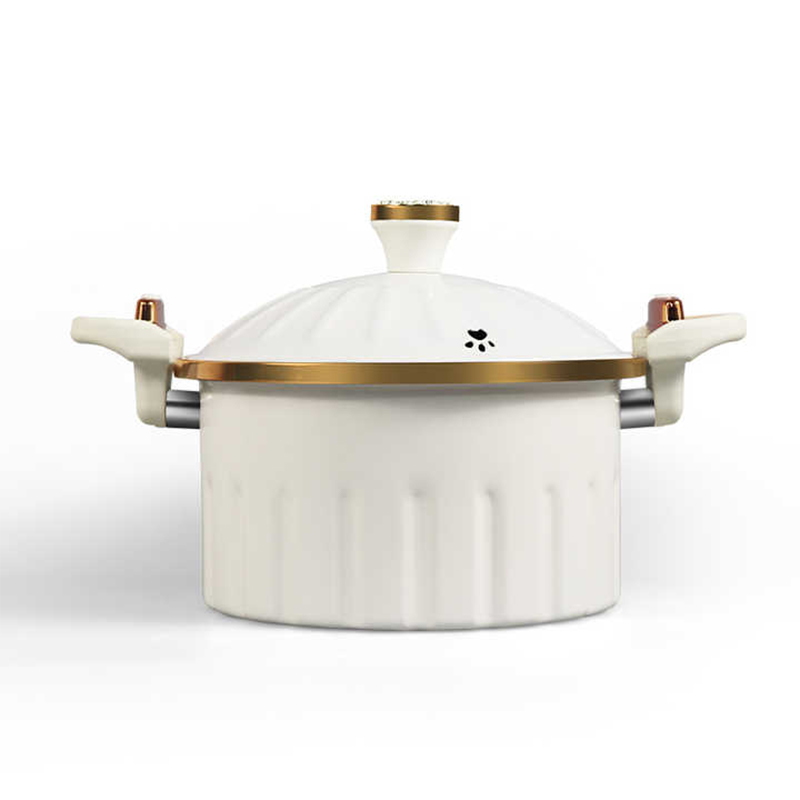
An Enamel Micro Pressure Cooker combines a smaller cooking body, a pressure-sealed lid, and a coated interior surface. The compact size suits kitchens where counter space or storage room runs limited — an apartment kitchen or a small household cooking for one or two people, for instance.
The enamel coating changes how the interior surface behaves. It creates a smooth cooking area, but that smoothness needs some care during both cooking and cleanup. Chips, scratches, or impact marks from metal utensils can wear down the coating over time, so periodic inspection matters.
Pressure cooking depends on several parts working together correctly. The lid needs to seat properly, the sealing ring has to stay clean and free of food debris, and the pressure-release valve needs to remain clear. A smaller cooker still relies on these same mechanisms as any larger pressure vessel — size doesn't remove the need for attention to these details.
The compact interior does shape what kind of cooking works well. Modest portions — a soup for a small household, a side dish, a single stew for a couple of meals — fit comfortably. Larger cuts of meat or recipes calling for a substantial volume of liquid may push against the available space.
Before cooking, a few checks help:
Beyond function, the enamel finish gives the cookware a more finished look on a stovetop or counter, without changing its role as a working pressure cooker.
Once the lid seals and pressure builds, steam stays close to the food rather than drifting away. That shift in the cooking environment changes how heat and moisture interact with whatever sits inside the pot.
A tough cut of beef in a stew softens gradually as sustained heat breaks down its connective tissue. Carrots or potatoes absorb the surrounding broth as they cook, while dried beans respond to that same heat and moisture in a different way, gradually rehydrating and softening. Each ingredient behaves according to its own structure, which is why treating everything the same rarely produces even results.
Preparation choices carry weight here. A large chunk of meat needs longer exposure to heat than a similarly sized piece of vegetable. Adding something delicate — spinach, fresh herbs — too early in the process can leave it overcooked by the time everything else finishes.
A few habits help keep results consistent:
Because the water stays inside the sealed environment, broth develops through continuous exchange between meat, vegetables, and any herbs or seasonings added along the way — closer to a slow simmer compressed into less time, rather than a quick boil.
A thick stew or bean soup tends to leave starch, oil residue, or small food particles clinging to the interior walls once cooking finishes. Cleaning becomes part of the routine rather than something to handle later.
Because the enamel surface is smooth, leftover residue shows up clearly, which actually makes spotting problem areas easier. Softer cleaning tools — a sponge or soft brush rather than a metal scouring pad — help protect the coating, particularly around the rim and base where food tends to settle.
Sudden temperature changes deserve some caution too. Moving a hot cooker straight into cold water can stress the coating unnecessarily. Letting the pot cool for a while before washing avoids that kind of thermal shock.
For routine cleanup, soaking in warm water for a few minutes loosens stuck-on food before washing, which reduces the need for aggressive scraping that could wear down the enamel over time.
Worth checking periodically:
How well the cooker performs over time depends on more than the enamel body alone — the lid, sealing ring, and pressure-release parts all need the same ongoing attention as the coated surface itself.
A small pressure cooker fits naturally with dishes that benefit from sealed heat and concentrated moisture. Meat-based stews, vegetable soups, bean dishes, and mixed broths each follow a different cooking pattern depending on how the ingredients are structured.
Firm vegetables like carrots or potatoes generally need more time to soften than leafy greens or delicate herbs. Meat behaves differently again, particularly cuts containing connective tissue that break down slowly under sustained heat. A stew combining several ingredient types calls for some planning, since softer components can turn mushy well before tougher pieces finish cooking.
| Dish Type | Main Cooking Consideration | Preparation Focus |
|---|---|---|
| Meat Stew | Tenderness and moisture | Cut pieces according to cooking needs |
| Vegetable Soup | Different vegetable textures | Add delicate ingredients with care |
| Bean Dish | Moisture absorption | Allow enough cooking liquid |
| Mixed Stew | Several textures together | Consider ingredient cooking order |
| Broth Based Soup | Liquid and flavor balance | Keep suitable liquid space |
Ingredient size shapes the outcome as well. Diced vegetables soften faster than large chunks, and cutting meat with the cooking method in mind — smaller pieces for a quick weeknight stew, larger cuts for a slow-developing broth — tends to produce more even results.
A compact cooker does have practical boundaries. Thick mixtures, ingredients prone to foaming, or recipes calling for a large volume of liquid may exceed what a smaller vessel can accommodate safely. The filling guidelines included with the specific cookware model remain the most reliable reference for these limits.
A reduced footprint changes more than how the cooker looks on a stovetop. Its lighter weight and smaller body make it simpler to move between the cooking area and a storage cabinet, and the limited interior naturally steers cooking toward smaller batches rather than large-volume meals.
For a household preparing a modest portion of soup, this scale often provides enough working space without dominating a section of the stove. In another kitchen, the same cooker might handle sauces, side dishes, or a small batch of stew alongside a larger pot doing the main cooking, rather than serving as the sole vessel for every meal.
Available counter space affects daily handling too. A smaller unit leaves more room nearby for cutting boards, mixing bowls, and serving dishes during preparation. Storage tends to be simpler as well, since a compact pot fits into a cabinet shelf without requiring other items to be shifted around it.
Several practical points are worth weighing:
A smaller design does not reduce the attention pressure cooking requires. Correct placement, sufficient clearance around the vent, and proper handling of the lid and release mechanism remain necessary regardless of the cooker's size.
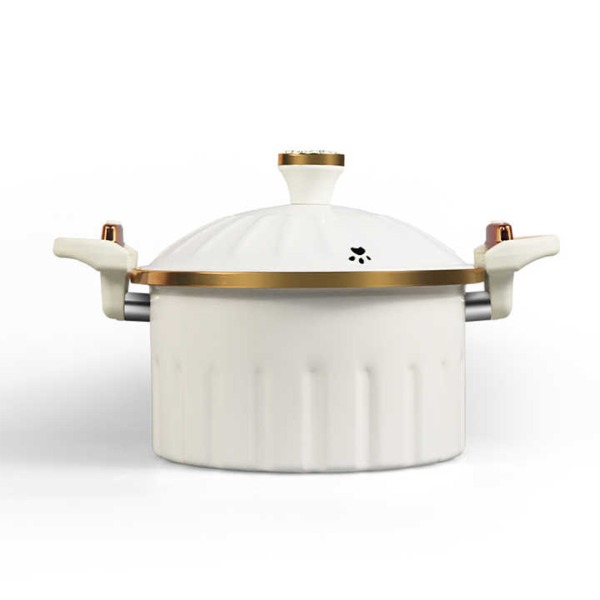
Reliable pressure cooking depends on a properly sealed lid and an unobstructed release path. A brief inspection before each use can catch visible issues before heat is applied, rather than discovering a problem partway through cooking.
The lid should sit evenly without gaps, and the sealing ring needs to stay clean and free of dried food or grease. Pressure-release openings should be checked for blockages, since even small amounts of residue can interfere with normal venting.
The enamel surface warrants a visual pass as well. Chips or hairline cracks tend to become more visible with repeated use, and any area that looks compromised should be addressed according to the manufacturer's guidance rather than left as is.
A short checklist before cooking:
Ingredient preparation factors into safe operation too. Pieces should be cut to suit the recipe, and both liquid and total filling levels need to stay within the range specified for that particular cooker.
Opening the lid afterward calls for its own care. Pressure should be released following the manufacturer's method, and the lid should never be forced open while pressure remains inside the vessel.
Daily habits influence how well a cooker holds up over months and years of use. An enamel surface tends to stay in better condition when food residue is removed with a gentle approach rather than aggressive scraping or sudden impact from metal tools.
Letting the pot cool before washing helps avoid the thermal stress that comes from placing a hot vessel directly under cold water. Soaking briefly in warm water loosens stuck residue, and a soft sponge or brush protects the coating better than a stiff scouring pad.
Pressure-related parts need their own routine. Seals, release valves, and the lid's contact points can collect moisture or small food particles after repeated cooking sessions. Keeping these areas clean supports consistent operation and makes any wear or damage easier to spot early.
Storage habits matter as well. A cooker that is thoroughly dry before being put away avoids the trapped moisture that can develop in lid recesses or around the sealing ring.
A practical care routine typically includes:
Long-term performance of an Enamel Micro Pressure Cooker depends on cooking technique and maintenance working together. How ingredients are prepared shapes each meal, while cleaning, inspection, and storage shape how the cookware holds up over time. A consistent routine keeps both sides of that equation in balance without adding much extra effort to regular kitchen work.
Recommended Products


NEWDREAM: +86 13646697735
HUANGXUKITCHENWARE: +86 19557954954


Donggao Fenghuangshan Industrial Zone, Tongqin Town, Wuyi County, Jinhua City, Zhejiang Province, China
Copyright © Wuyi Huangxu Industry & Trade Co., Ltd. All Rights Reserved.
Cookware Factory

 English
 русский
 日本語
日本語 Español
 Deutsch