Inquiry
2026-08-21
A freshly used milk pan can look ready for cleaning as soon as cooking stops, especially when a small amount of milk or sauce remains inside. Washing immediately may seem convenient, yet a sudden change from a hot cooking surface to cold water can place unnecessary stress on the pan structure and its surface.
Allowing the pan to cool naturally creates a gentler transition between cooking and washing. Heat gradually leaves the metal, while remaining food residue begins to loosen from the surface as its temperature drops. Once the pan reaches a more manageable condition, cleaning becomes easier to control.
Cooling also changes the way residue behaves. Milk can leave a thin layer around the bottom or sides during heating. Scraping such residue while it is still hot can encourage rough handling, especially when the surface is difficult to see clearly through steam or remaining liquid.
A simple sequence works well for ordinary use:
Cooking → Heat Off → Natural Cooling → Residue Softening → Washing
Placing a hot pan directly under cold running water can also create an abrupt temperature shift. Repeated exposure to such changes may affect the condition of cookware over time, so gradual cooling is a sensible part of routine care.
A suitable cooling location matters too. The pan should rest on a stable surface that can handle residual heat. Moving it around while still very hot may create another handling risk, particularly when the handle remains warm or the contents are still hot.
Cooling should not be treated as a long waiting period with no purpose. It is a transition between cooking and cleaning, and several useful cleaning decisions can be made during that stage.
Once cooking has stopped, remaining liquid can be left inside briefly while heat decreases naturally. When practical, food residue can then be removed with a soft utensil rather than a sharp object.
Milk residue tends to become more difficult when it dries completely. Leaving a pan covered with a thin layer of dried milk can turn a simple rinse into a longer cleaning task. Early attention is therefore useful, though aggressive cleaning is rarely necessary.
A gentle approach can include:
Soaking becomes useful when residue has already started to attach. Water can soften the remaining layer, reducing the need for strong rubbing later.
Cooling also gives the user an opportunity to check the cooking surface. Small areas of residue can be noticed before they become dry and firmly attached. Such a habit can make routine cleaning more predictable.
Cleaning a Stainless Steel Non Stick Milk Pan requires a balance between removing residue and treating the cooking surface gently. A non stick coating is designed to reduce food attachment, so heavy scraping should not normally be necessary during ordinary cleaning.
Soft sponges and gentle cleaning cloths are suitable choices for many coated surfaces. Mild cleaning agents can help remove milk, cream, sauce, and other residue without relying on strong friction.
A useful cleaning process can be divided into simple stages.
Remove Loose Residue
Once the pan has cooled, loose material can be emptied or rinsed away. There is little reason to scrub a clean area repeatedly.
Soften Attached Food
Warm water can help loosen residue that remains around the bottom or side walls. Soaking is generally easier on a coated surface than trying to remove dried material with a hard edge.
Clean With Controlled Pressure
A soft sponge can move across the surface with moderate pressure. Attention should remain on areas where food has collected rather than rubbing every part with the same force.
Rinse Thoroughly
Cleaning residue should be removed completely so that no detergent or food remains around the cooking surface.
Dry After Washing
A clean, dry pan is easier to inspect and store. Remaining moisture around handles, rims, or storage areas can be avoided through simple drying.
Harsh scrubbing tools can create scratches or wear on the coating. Steel wool, rough scouring pads, and sharp utensils may appear useful for stubborn food, yet they can cause unnecessary surface contact.
A better approach is to soften the residue first. More effort is often saved through soaking than through harder scrubbing.
Hand washing gives greater control over how a pan is handled during cleaning. Pressure, cleaning tool, water temperature, and washing direction can all be adjusted according to the condition of the cooking surface.
Such control can be useful for a Stainless Steel Non Stick Milk Pan, especially when only a small amount of residue remains. Instead of exposing the entire pan to a strong cleaning cycle, a person can focus directly on the affected area.
Hand washing also makes it easier to notice changes on the surface. A rough patch, unusual mark, or remaining residue can be seen during cleaning. Early observation may help prevent unnecessary rubbing.
| Cleaning Stage | Suitable Approach | Reason |
|---|---|---|
| Cooling | Allow gradual cooling | Reduces sudden temperature change |
| Rinsing | Use suitable water | Removes loose residue |
| Soaking | Let attached food soften | Reduces scrubbing |
| Washing | Use a soft cleaning tool | Limits surface friction |
| Rinsing | Remove cleaning residue | Keeps surface clean |
| Drying | Wipe or air dry | Prepares cookware for storage |
Hand washing does not mean every cookware item must be washed manually. Care instructions can vary according to construction and coating. Where a product is labeled for a particular cleaning method, those instructions should take priority.
For coated cookware, the useful point is control. Gentle handling reduces the temptation to attack residue with hard tools, which can be more damaging than the residue itself.
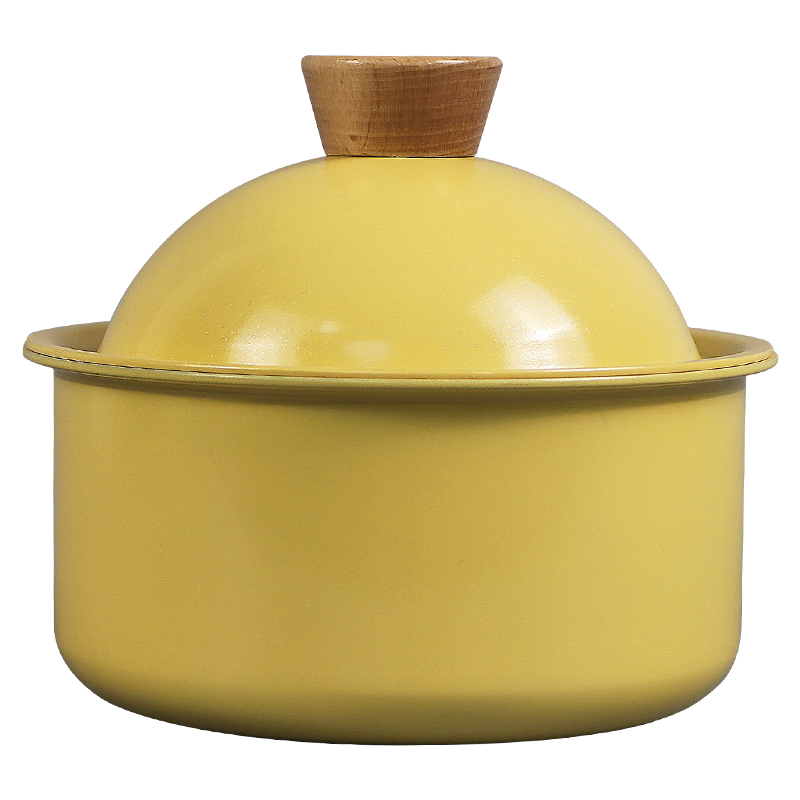
Milk creates a particular cleaning challenge because heating can leave a thin film on the cooking surface. Once that film cools and dries, ordinary rinsing may no longer remove it immediately.
Scraping hard at such a layer can create more trouble than the original residue. A better method is to give water time to soften the deposit.
After cooling, filling the pan with suitable water and allowing the residue to loosen can reduce the effort needed during washing. A soft sponge can then work across the affected area without strong pressure.
For thicker residue, repeating a gentle soaking process may be more appropriate than increasing scrubbing force.
Several habits can make the process easier:
Milk residue can also collect around the transition between the base and side wall. Paying attention to such areas during routine washing helps prevent a thin layer from building up through repeated cooking.
Cleaning difficulty often comes from timing rather than from the pan itself. A short cleaning step soon after use can prevent a much longer effort later.
Daily use has a direct connection with the condition of a Stainless Steel Non Stick Milk Pan. Small habits repeated during cooking, washing, and storage can gradually change how the cooking surface looks and feels.
Heating practices deserve attention. Leaving an empty pan over a heat source for a long period can expose the surface to unnecessary heat. Adding ingredients before cooking begins and keeping heat under reasonable control can reduce avoidable stress during ordinary use.
Utensils also have an important role. Metal edges, sharp tools, and rough implements can come into direct contact with the coating, especially when food sticks around the bottom. Choosing softer utensils helps reduce scratching during stirring and serving.
Cooling remains part of daily care as well. Moving a hot pan directly from cooking to cold water creates a rapid temperature change. Allowing natural cooling before washing provides a more gradual transition.
Storage can affect surface condition as well. A clean pan placed beneath rough cookware may receive scratches when another item is moved around. Stacking should therefore be handled carefully, especially when several pieces share the same storage space.
Simple habits can be arranged into a practical routine:
| Daily Habit | Possible Effect | Practical Direction |
|---|---|---|
| Sudden Cooling | Strong Temperature Change | Allow Natural Cooling |
| Hard Scrubbing | Surface Wear | Use Gentle Cleaning Tools |
| Food Leftovers | Harder Cleaning | Soak Before Washing |
| Sharp Utensils | Surface Scratches | Choose Softer Utensils |
| Damp Storage | Moisture Residue | Dry Before Storage |
Care does not need to become complicated. Consistent handling during ordinary kitchen work can reduce unnecessary contact, friction, and temperature changes. Small adjustments are often easier to maintain than intensive cleaning after residue has already become difficult to remove.
Cooling, cleaning, drying, and storage form a connected care process rather than separate tasks. A pan that is cooled properly can be washed with less pressure, while gentle washing makes drying and storage easier.
A practical sequence can be kept simple:
Cooling → Soaking → Gentle Washing → Rinsing → Drying → Storage
Natural cooling comes before cleaning because a manageable surface temperature makes washing easier to control. Once food residue has softened, gentle washing can remove remaining material without excessive rubbing.
Rinsing deserves attention after washing. Cleaning agents and loosened food should be removed from the cooking surface before drying. A clean surface also makes it easier to notice any residue that may have remained around the edges or bottom.
Drying follows naturally. Wiping the pan with a soft cloth or allowing suitable air drying can reduce moisture left around the rim, handle connection, or storage area.
Storage then becomes the final part of the daily process. A pan should have enough space to avoid unnecessary contact with rough cookware. When several pans are stored together, careful placement can reduce rubbing between surfaces.
| Care Stage | Main Purpose | Handling Focus |
|---|---|---|
| Cooling | Reduce sudden temperature change | Allow gradual cooling |
| Soaking | Soften attached residue | Avoid hard scraping |
| Washing | Remove food and grease | Use gentle tools |
| Rinsing | Clear cleaning residue | Check the full surface |
| Drying | Remove remaining moisture | Pay attention to edges |
| Storage | Limit unwanted contact | Avoid rough surfaces |
Such a routine connects the original cooking condition with later storage. A problem created during one stage may make the next stage harder. Dried milk residue can require stronger cleaning, while rough cleaning can create surface wear. Poor storage can then introduce additional scratches even after careful washing.
For that reason, caring for a Stainless Steel Non Stick Milk Pan is less about one special cleaning method and more about keeping each stage gentle and controlled. Cooling reduces the need for sudden temperature changes, soaking reduces the need for force, hand washing allows cleaning pressure to remain manageable, and careful storage limits unnecessary surface contact.
Everyday cookware maintenance can remain straightforward when cooking, cooling, washing, drying, and storage are treated as parts of one continuous routine.
Recommended Products


NEWDREAM: +86 13646697735
HUANGXUKITCHENWARE: +86 19557954954


Donggao Fenghuangshan Industrial Zone, Tongqin Town, Wuyi County, Jinhua City, Zhejiang Province, China
Copyright © Wuyi Huangxu Industry & Trade Co., Ltd. All Rights Reserved.
Cookware Factory

 English
 русский
 日本語
日本語 Español
 Deutsch