Inquiry
2026-08-14
Cookware material has a direct effect on how food meets the cooking surface, how heat moves through a pan, and how much care is needed after use. A pan may look simple from outside, while its construction can involve several layers or treatments that change its behavior during cooking.
For buyers looking for Non Chemical Cookware, material choice often starts with the cooking surface. Bare metals, glass, ceramic, cast iron and carbon steel can all be used without relying on a synthetic nonstick layer. Each material has its own way of responding to heat, moisture and food.
Daily cooking also creates different demands. Frying requires a surface that can handle direct heat, while baking may call for a material that behaves well inside an oven. Slow cooking brings another set of needs, especially around heat retention and moisture.
Stainless steel is widely used for cooking vessels because it provides a durable metal surface without requiring a synthetic nonstick coating. Pots, saucepans and frying pans can all be made with stainless steel, either as a single material or as part of a layered structure.
A bare stainless steel surface behaves differently from a naturally seasoned iron surface. Food can attach more readily when temperature, oil and cooking technique are not well controlled. For many cooking tasks, however, the predictable metal surface makes stainless steel practical for boiling, simmering, sautéing and preparing sauces.
Heat behavior depends on construction. A thin metal wall responds quickly to changes at the heat source, while a thicker structure takes longer to warm and cool. Some cookware combines stainless steel with another metal in the base or body to improve heat movement.
Cleaning also influences long-term surface condition. Food residue should not be allowed to remain for extended periods, especially after cooking at higher temperatures. Suitable cleaning methods help preserve the original surface without introducing unnecessary scratches.
For everyday kitchens, stainless steel can be useful where a simple metal cooking surface is preferred and regular cleaning is acceptable.
Cast iron has a long connection with cookware because of its dense metal structure and ability to retain heat. Frying pans, griddles and cooking pots can be produced from cast iron, with the surface either left as cast metal or maintained through seasoning.
Unlike a synthetic nonstick coating, seasoning develops through repeated cooking and care. A thin layer of cooking oil changes the surface condition over time, creating a cooking surface that can become easier to work with when maintained correctly.
Moisture requires attention. Leaving a cast iron vessel wet for a long period can encourage surface corrosion. Drying after washing is therefore part of routine care.
Acidic foods can also affect a seasoned surface during extended cooking. Cooking habits, cleaning methods and the condition of the surface all influence how cast iron behaves.
Cast iron suits cooking situations where steady heat and heat retention are useful. Frying, roasting and slow cooking are common examples. Weight and handling also need consideration because cast iron cookware is generally heavier than many other metal options.
Carbon steel shares some characteristics with cast iron, although its construction gives it a different feel during everyday use. Both materials can be used without a synthetic nonstick coating, and both can develop a seasoned cooking surface through repeated oil treatment.
A carbon steel pan is generally easier to move around the kitchen because its structure can be thinner and lighter than cast iron. Faster changes in temperature can also make it suitable for cooking methods where heat needs to be adjusted regularly.
Seasoning remains an important part of care. A clean and dry surface helps maintain the condition of the cooking area, while prolonged moisture exposure can cause corrosion.
Food type also matters. Strongly acidic ingredients may affect a seasoned surface, particularly when cooking continues for a long period. Gentle cleaning helps avoid removing useful surface seasoning unnecessarily.
Carbon steel can suit frying, sautéing and other cooking tasks where quick handling is useful. Cast iron tends to provide a different cooking experience because of its heavier structure and slower response to changes in heat.
Ceramic requires careful description because the word can refer to different types of cookware. A fully ceramic cooking vessel is different from metal cookware carrying a ceramic coating. Treating both categories as identical can make material information unclear.
Ceramic cookware can provide a food-contact surface without relying on a synthetic nonstick layer in the same way as conventional coated cookware. Heat response depends on the type of ceramic structure and how the vessel has been produced.
Handling deserves attention because ceramic surfaces can be affected by impact, sudden temperature changes or unsuitable cleaning practices. A cooking vessel may remain functional for a long period when handled according to its construction.
Ceramic is also used in baking dishes and other oven cookware. Its behavior differs from metal, especially in how heat spreads through the body and how quickly the vessel responds when the heat source changes.
When purchasing ceramic cookware, checking the actual construction is useful. A ceramic-coated metal pan and a solid ceramic dish may have very different properties even though both are described using the same material term.
Glass offers a different approach to food preparation. Heat-resistant glass can be used for baking dishes, roasting vessels and other oven applications where seeing the food through the container is useful.
A transparent surface allows cooking progress to be observed without lifting a lid or moving the food. Glass also does not require a synthetic nonstick layer to provide a food-contact surface.
Thermal handling remains important. Sudden changes between very different temperature conditions can place stress on glass. Moving a hot vessel directly into a cold environment or exposing a cold dish to strong heat may create problems.
Cleaning is generally straightforward when food has not been heavily baked onto the surface. Soaking can help loosen residue, while harsh handling may cause scratches or other surface damage.
Glass works particularly well for baking and oven-based preparation, although its heating behavior differs from metal cookware. Food preparation requirements should therefore guide material selection rather than assuming that every cooking surface behaves in the same way.
Enamel cookware combines a metal base with a glass-like surface layer. Such construction creates a smooth food-contact surface while keeping the structural support provided by metal.
Enamel can be found on pots, pans and oven cookware. Surface condition matters during use because chips or cracks can expose the underlying metal.
Cleaning should avoid unnecessary impact against the surface. Careful handling during storage can also reduce the chance of damage caused by cookware contacting other hard objects.
Enamel differs from a synthetic nonstick coating in both material composition and function. A buyer looking for cookware without a particular type of chemical coating should check how the surface has been produced rather than relying only on general product descriptions.
For kitchen use, enamel can combine the heat-handling characteristics of a metal body with a separate food-contact surface, creating a material combination suited to several cooking tasks.
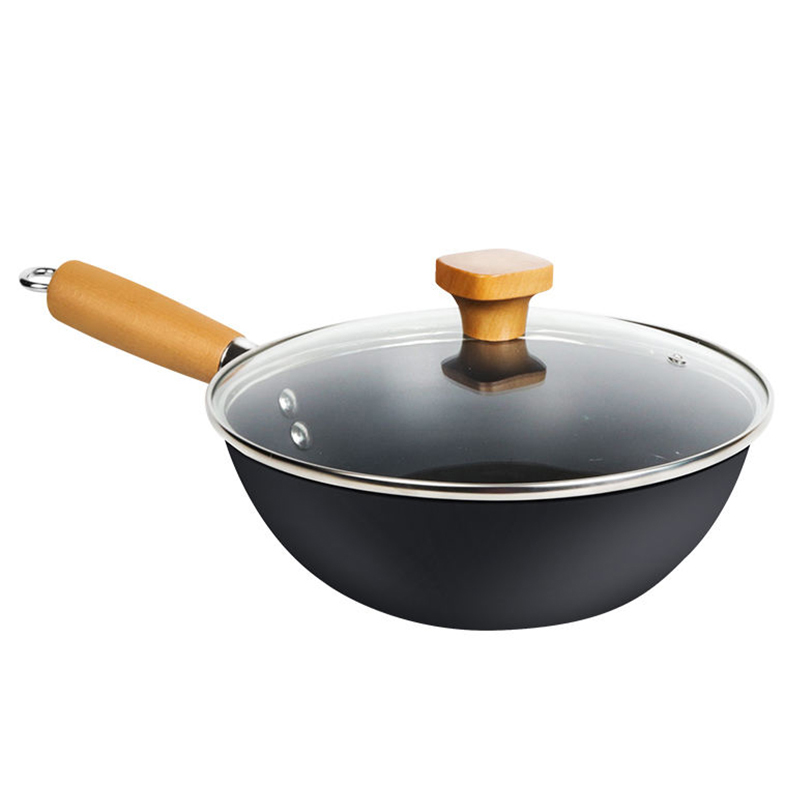
Material selection does not tell the entire story. Construction can change how cookware responds to heat even when two vessels use similar surface materials.
A thin pan can respond quickly after the heat source changes, while a heavier structure may hold heat for longer. A cookware base made from several materials can also influence how heat travels from the burner toward the food.
Such differences matter during cooking because uneven heating can cause certain areas to become hotter than others. Food placement, pan size and heat source also contribute to cooking behavior.
For that reason, material and structure should be considered together. A stainless steel surface with a different internal construction may behave differently from another stainless steel pan, while two cast iron vessels can also respond differently because of their shape and thickness.
| Material | Common Use | Main Care Focus |
|---|---|---|
| Stainless Steel | Pots and frying pans | Surface cleaning |
| Cast Iron | Frying and slow cooking | Moisture control |
| Carbon Steel | Frying and sautéing | Seasoned surface care |
| Ceramic | Cooking and baking | Careful surface handling |
| Glass | Baking and oven cooking | Thermal handling |
| Enamel | Pots and oven cooking | Protecting the surface |
Material knowledge helps create a clearer connection between cookware construction and everyday cooking needs. Food contact, heat response and maintenance all form part of the selection process.
Material choice provides only part of the picture. Surface condition also changes how cookware behaves during daily use. A bare metal surface may develop marks from cooking and cleaning, while seasoned iron can gradually change through repeated use.
Scratches, chips, stains and rough areas deserve attention because surface changes can affect cleaning and food contact. Enamel, ceramic and glass require particular care around impact, since damaged areas may become harder to clean.
For metal cookware, surface marks do not always mean that the vessel can no longer be used. Condition should be considered together with the material, depth of damage and intended cooking task.
Cleaning tools also matter. Hard scouring materials can leave visible marks on some surfaces, while gentler cleaning may help maintain the original finish. Food residue should be removed without creating unnecessary wear.
Different materials require different care routines. Stainless steel generally allows regular washing, while cast iron and carbon steel need more attention to moisture because exposed iron can react with water.
Seasoned surfaces require a slightly different approach. Excessive washing or aggressive scrubbing can remove part of the oil-based surface layer, making later maintenance necessary.
Ceramic and glass can usually be cleaned with ordinary kitchen methods, although sudden temperature changes should be avoided. A hot glass baking dish, for example, should not be exposed immediately to a very different temperature.
Enamel also benefits from gentle handling. Chips and cracks can occur when cookware is dropped or struck against another hard object.
A practical maintenance routine can include:
Maintenance requirements can influence purchasing decisions just as much as cooking performance. A material that suits a certain cooking style may require more care than another option.
For buyers considering Wholesale Cookware Sets, material composition needs to be reviewed across the complete group rather than judging a set from one pan alone.
A cookware set may contain a frying pan, saucepan, stock pot and other vessels, with each piece designed for a different task. Material combinations can therefore vary within one collection.
A frying pan may use carbon steel or cast iron for cooking methods involving direct heat, while a pot may use stainless steel for boiling or simmering. Glass may appear as a baking vessel, while enamel may be used on a metal cooking pot.
Wholesale purchasing also makes clear material information important. Buyers need to know whether a listed surface is solid material, a coating or a combination of several materials.
Useful questions include:
Clear material descriptions help prevent confusion when several cookware pieces look similar from outside.
No single cookware material fits every kitchen task. Stainless steel may suit boiling and general cooking, while cast iron can work well where steady heat is useful. Carbon steel offers a different balance between weight and heat response.
Ceramic and glass can be suitable for baking or cooking where a non-metal food-contact surface is preferred. Enamel combines a metal body with a separate surface layer and can serve several cooking purposes.
| Material | Cooking Character | Care Requirement |
|---|---|---|
| Stainless Steel | Responsive metal surface | Regular cleaning |
| Cast Iron | Strong heat retention | Drying and surface care |
| Carbon Steel | Quick handling with seasoned surface | Moisture and seasoning care |
| Ceramic | Suitable for cooking and baking | Avoid impact and harsh handling |
| Glass | Useful for oven cooking and baking | Care with temperature changes |
| Enamel | Metal structure with a separate surface | Protect against chips |
Cooking style remains an important part of the decision. Someone preparing sauces and soups may value a different material from someone frequently frying food or baking in an oven.
Cookware construction combines material, thickness, shape and surface treatment. Changing one part can affect how a vessel heats, handles food and responds to cleaning.
A metal pan with a layered base can distribute heat differently from a simple single-material pan. A heavy iron vessel can retain heat longer, while a lighter metal pan may respond more quickly when the heat source changes.
Surface design also affects cooking behavior. Bare metal requires different handling from seasoned iron, ceramic or enamel. Each surface has its own response to oil, food residue, cleaning and temperature changes.
For Non Chemical Cookware, material transparency is particularly useful because the phrase can cover several construction types. A buyer should check whether the cooking surface is stainless steel, cast iron, carbon steel, ceramic, glass or enamel, and whether another layer has been added.
Material names alone cannot describe every property of a finished vessel. Shape, thickness, surface condition and internal construction all contribute to how cookware behaves during actual use.
Material selection becomes clearer when cooking requirements are considered alongside maintenance needs. A cookware surface should suit the food being prepared, the heat source, cleaning routine and expected handling conditions.
For buyers comparing different options, several points can guide the process:
A material that works well for one task may create unnecessary maintenance for another. Practical cookware selection therefore depends on the relationship between material, structure and daily use rather than on a single material label.
Recommended Products


NEWDREAM: +86 13646697735
HUANGXUKITCHENWARE: +86 19557954954


Donggao Fenghuangshan Industrial Zone, Tongqin Town, Wuyi County, Jinhua City, Zhejiang Province, China
Copyright © Wuyi Huangxu Industry & Trade Co., Ltd. All Rights Reserved.
Cookware Factory

 English
 русский
 日本語
日本語 Español
 Deutsch