Inquiry
2026-06-26
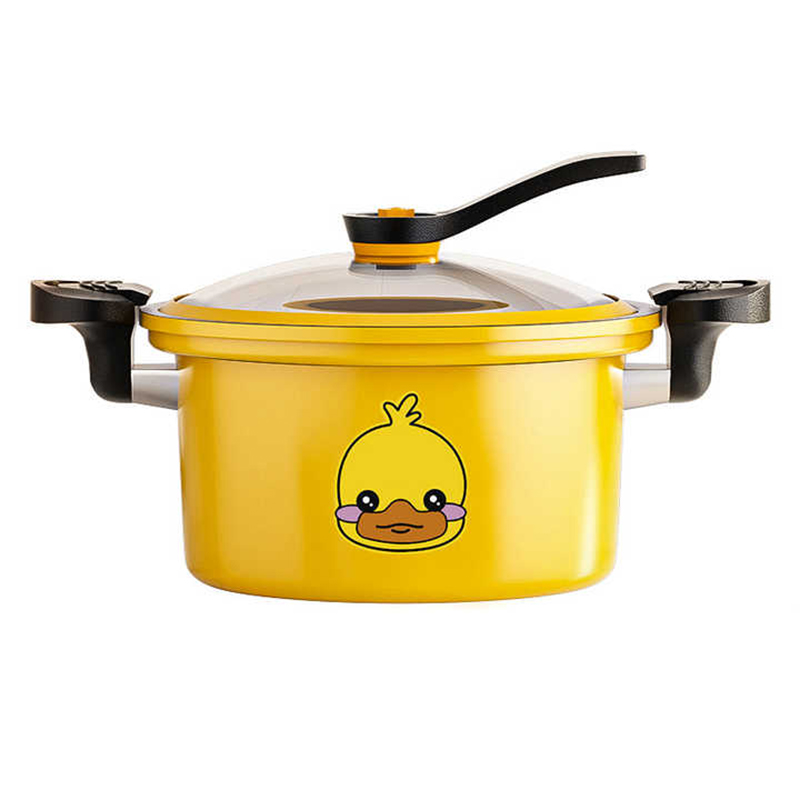
A Wholesale Pressure Cooker is usually used as a practical kitchen tool that works by holding steam inside a closed pot, so heat can move into food in a steadier and more concentrated way than open cooking. In everyday kitchen work, the cooker itself is only one part of the result. The way food is placed inside, the way the lid is closed, and the way heat is adjusted all shape the final texture and the comfort of using it.
Many cooking problems start with habits that seem small at the time. A pot may be strong enough, yet a loose seal, uneven loading, or sudden heat changes can still affect how steam builds inside. Once steam escapes too early or gathers unevenly, the cooking environment shifts, and the food may turn out harder in one part and softer in another.
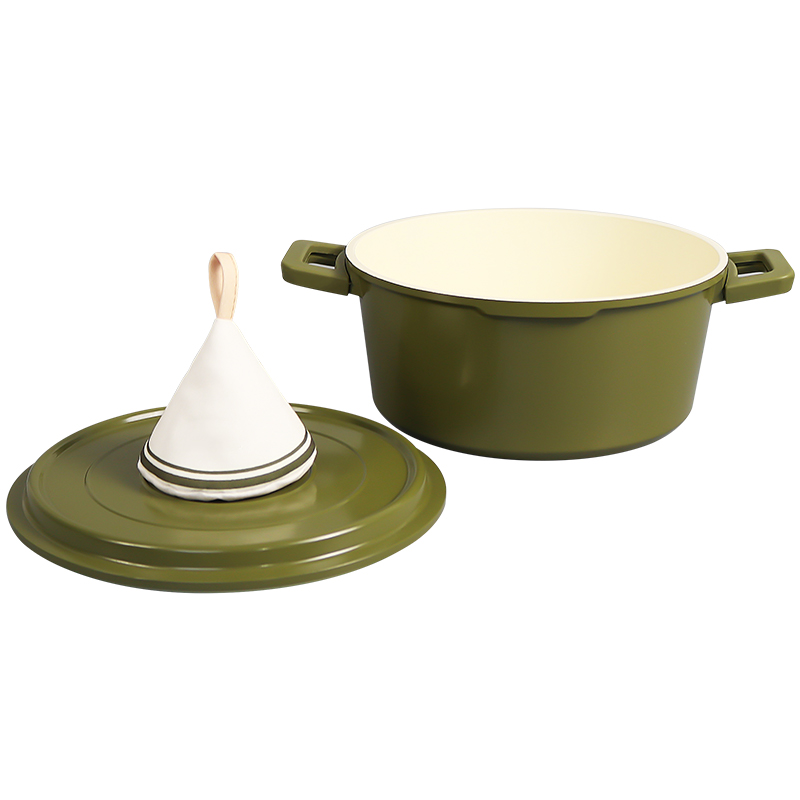
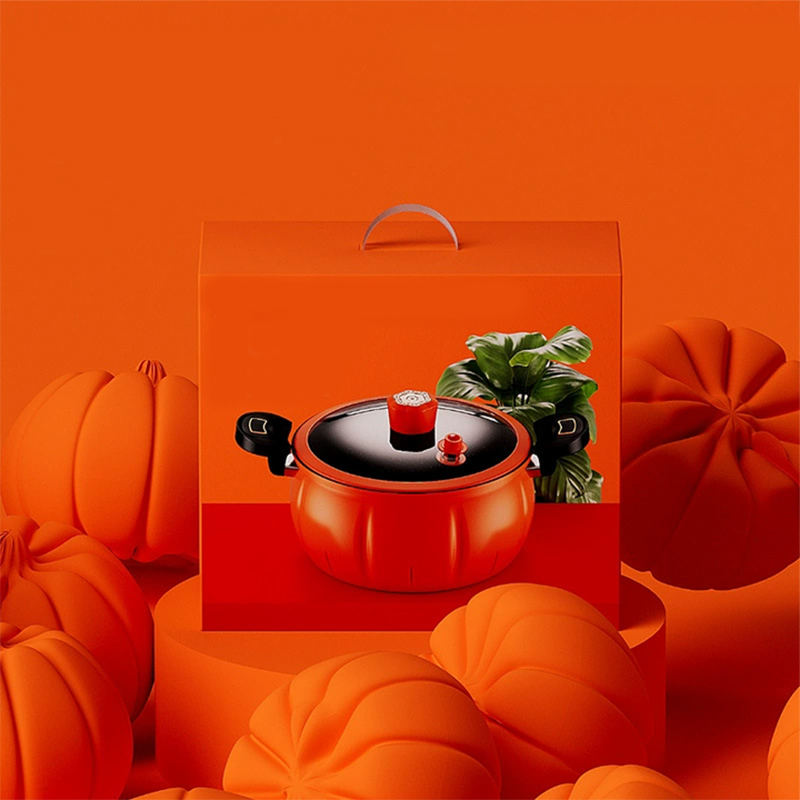
Enamel Micro Pressure Cooker is often used in kitchens where the inner surface matters as much as the cooking method, since the coating changes how food touches the pot wall and how residue behaves after use. The pressure principle stays the same, yet the daily experience can feel different because the inner surface reacts in its own way during heating and cleaning.
A pressure cooker works well when the routine around it stays steady. The cooker does not ask for complicated handling, but it does depend on careful use. Small, repeated habits often decide whether cooking feels smooth or troublesome.
Preparation is often where many kitchen mistakes begin, even before heat is turned on. One common issue is filling the pot without leaving enough working space above the ingredients. Steam needs room to move, and when the pot is packed too tightly, the internal environment becomes crowded. Heat then reaches some parts faster than others, which can create uneven softness and a less balanced texture.
Ingredient size matters more than many people expect. When pieces vary too much in thickness, they do not cook at the same pace. A larger piece may stay firm while smaller pieces become too soft, and the dish can lose a clean, even feel. A more uniform cut usually helps the steam work through the food in a steadier way.
Liquid balance is another point that often gets ignored. Too little liquid weakens steam formation, while too much liquid can make the pressure environment less efficient. The cooker needs enough moisture to build a stable cooking cycle, yet not so much that the space inside becomes crowded with liquid.
Preparation mistakes that often affect cooking results
These details may look ordinary, yet they influence the whole cooking process from the start. A careful setup often makes later steps easier and more predictable.
A pressure cooker depends on a closed and stable lid. When the lid does not sit correctly, steam can begin to escape through small gaps, and pressure inside the pot may never rise in a steady way. That leads to a weaker cooking environment and less even heat transfer.
The sealing ring also deserves attention. If the ring is not positioned correctly, or if food residue stays on it after the last use, the lid may look closed while still allowing tiny leaks. Those leaks are easy to overlook, yet they can change how the cooker behaves once heating begins. Pressure may rise more slowly, drop more quickly, or move in an uneven pattern.
Lid handling during closing can create trouble as well. A lid that is placed at the wrong angle or turned without full alignment may not lock as expected. In a kitchen setting, that kind of mistake can lead to repeated checking, slower cooking, and unnecessary stress.
Points that affect sealing quality
Good sealing keeps the internal environment stable, and stable pressure usually gives better control over the cooking result.
Overfilling is one of the clearest ways to disturb how a pressure cooker works. Inside the pot, steam needs space to circulate and gather, and when ingredients take up too much room, that movement becomes restricted. The cooker can still heat food, yet the pressure inside no longer spreads in the calm and balanced way that it should.
Food also needs room to move slightly as it softens. When the pot is crowded, the heat from steam cannot reach every area at the same speed. The upper pieces may receive more exposure than the lower ones, or dense ingredients may stay firmer in the center while the outer parts soften earlier. That creates a texture gap inside the same dish.
Liquid level becomes part of this issue too. Too much liquid in a crowded pot can make the cooking environment heavy and less responsive, while too little liquid inside an overfilled pot can leave steam without enough moisture to work properly.
What overfilling can cause
A pot that is used with proper space usually behaves in a calmer and more predictable way, which is why filling habits matter so much in daily cooking.
Once heating begins, the cooker enters a stage where pressure starts forming inside the sealed chamber. That stage calls for patience, because sudden heat changes can disturb the way steam develops. A frequent mistake is raising the heat too quickly right away. The cooker may warm faster, yet the pressure inside may not settle in a stable way, which can affect both cooking performance and handling comfort.
Placement of the cooker also plays a role. A surface that is not level can change how heat spreads through the base, and that can influence the internal movement of steam as well. Even small unevenness under the pot can affect consistency during the cooking cycle.
Another common issue appears when the lid is opened too soon after heating. Steam may still remain inside under pressure, and opening before the release is complete can interrupt the cooking process and create an unsafe moment for the person handling it. A calmer waiting habit usually works better than rushing the lid.
Safer habits during heating
A stable heating routine gives the cooker a better chance to work as intended and reduces avoidable trouble in the kitchen.
Enamel Micro Pressure Cooker brings a coated inner surface into the picture, which changes some daily cooking habits even though the pressure principle itself stays familiar. The coating affects the way food touches the pot wall, and that can influence the way residue builds up, how the surface feels after use, and how evenly heat seems to spread across the inside.
In normal cooking, the coated interior may feel smoother when ingredients move around during heating. That does not remove the need for careful use, though. Ingredients that stay in contact with the surface for a long time may still leave residue if the cooking process is too crowded or if cleaning habits are weak afterward.
Cleaning becomes an important part of use here. A coated surface usually asks for gentler handling, since rough tools or strong scrubbing can wear it down over time. Once the inner surface changes, food may behave differently in later cooking cycles, and the result can become less consistent than expected.
Practical points for coated inner surfaces
The daily experience is shaped less by the name of the cooker and more by the way the surface is treated, filled, heated, and cleaned over time.
Cleaning a pressure cooker after cooking is often treated as a simple step, yet the condition left inside the pot can quietly influence how it behaves in later use. Small bits of food that remain near the sealing edge or inside narrow contact areas may not look serious, but once they dry and build up over time, the lid can stop fitting as tightly as it should, and steam may begin to find weak paths during heating without being noticed immediately.
A similar situation appears when inner surfaces are cleaned in a rough or rushed way. Some users try to remove residue quickly using strong tools or repeated force, and while the surface may look clean afterward, the material can slowly lose its smoothness in certain areas. That change does not always show up right away, yet during cooking it may affect how food releases from the wall or how evenly heat spreads across the pot interior.
Moisture left inside after washing also becomes a quiet factor. When the cooker is stored without proper drying, small damp areas remain around seals or joints, and over time those spots may change how flexible or responsive the sealing parts feel. The cooker still works, but the sense of tightness during closing and pressure holding may become less steady compared with earlier use.
| Maintenance Habit | Daily Result | Long Term Effect |
|---|---|---|
| Careful cleaning of sealing area | Lid closes smoothly | Stable pressure retention |
| Rough scrubbing on inner surface | Clean look but uneven texture change | Less consistent cooking surface behavior |
| Leaving moisture after washing | No immediate issue | Gradual sealing irregularity |
| Cleaning vent areas regularly | Smooth steam release | More stable pressure cycle |
What goes into the pot shapes how the entire cooking process behaves, sometimes more than the heat level itself. Dense ingredients placed together tend to slow down movement inside the pot, and steam has to find narrower paths to travel through the mixture. In that situation, heat does not always reach every part at the same pace, and the final texture can shift from one section to another even though the cooking time is the same.
Liquid content also plays a quieter role than it seems. When the mixture becomes too watery, pressure feels less focused, and the cooking environment loses some of its steady build-up. When liquid is too limited, steam forms unevenly and circulation inside the pot becomes irregular, which can leave some ingredients less softened than expected.
Another detail comes from how ingredients of different size and density are placed together. Larger pieces tend to resist heat longer, while smaller ones respond faster, and inside a sealed pressure environment these differences do not disappear, they only get compressed into a shorter time window, making the contrast more noticeable when the lid is finally opened.
A pressure cooker tends to behave more steadily when daily use follows a familiar rhythm rather than frequent changes in loading and heating style. When food is added in a balanced way, leaving enough space above the ingredients, steam has room to circulate instead of being forced into tight channels, and that alone can make the internal cooking process feel calmer and more even.
Heat control during cooking also influences stability in a subtle way. Gradual heating gives steam time to build in a controlled pattern, while sudden heat changes can push pressure upward too quickly and create uneven movement inside the pot. Over time, a steady heating habit often results in more predictable cooking results without needing frequent adjustment.
There is also a quiet relationship between routine cleaning, sealing condition, and overall cooking behavior. When sealing parts are kept free from residue and the vent area remains open, pressure tends to rise and release in a smoother cycle. Nothing about the cooker changes in structure, yet the experience of use becomes more consistent simply because small details are not left to build up unnoticed.
In daily kitchen work, the stability of a pressure cooker is less about strict control and more about repeated simple habits that keep airflow, sealing, and heat movement from drifting out of balance.
Recommended Products


NEWDREAM: +86 13646697735
HUANGXUKITCHENWARE: +86 19557954954


Donggao Fenghuangshan Industrial Zone, Tongqin Town, Wuyi County, Jinhua City, Zhejiang Province, China
Copyright © Wuyi Huangxu Industry & Trade Co., Ltd. All Rights Reserved.
Cookware Factory

 English
 русский
 日本語
日本語 Español
 Deutsch