Inquiry
2026-06-12
A kitchen drawer or cabinet often holds several cooking vessels. Some arrive with dark slick surfaces. Others show bare metal or rough dark finishes. The difference between these categories goes deeper than appearance. Non Chemical Cookware refers to pots and pans made from materials that do not rely on manufactured nonstick coatings. Common examples include stainless steel, cast iron, carbon steel, and certain ceramic based options without synthetic polymers. Traditional nonstick pans use layers of engineered coatings that contain substances such as PTFE. Those coatings provide a very smooth surface right out of the box. The trade off appears over time. Coatings scratch, wear away, or lose their slick properties. A Wholesale Stainless Steel Cookware supplier often notes that restaurants and serious home cooks choose uncoated metal pans for their longevity. The coating free design means no layer sits between the food and the base metal. Heat transfers directly from the burner to the cooking surface. That direct path allows better browning and more control during high heat cooking.
Stainless steel presents a smooth surface at a microscopic level. That surface contains tiny peaks and valleys. Cold metal holds those peaks in a closed position. Food placed into a cold stainless steel pan grips onto those peaks. The result is sticking. Many new users of Non Chemical Cookware experience this problem and assume the pan performs poorly. The solution involves preheating the empty pan before adding any oil or food. A medium heat setting for several minutes allows the metal to expand. The microscopic peaks open up and become flatter. A simple test helps determine readiness. A small drop of water flicked into the hot pan behaves in a certain way. If the water bubbles and evaporates immediately, the pan needs more time. If the water forms into a single dancing bead that moves across the surface, the pan has reached the correct temperature. At that point, adding a thin layer of cooking oil or butter creates a temporary release surface. The food goes in after the oil warms for a few seconds. A Wholesale Stainless Steel Cookware buyer often shares this technique with customers to reduce returns caused by sticking complaints.
Cast iron and carbon steel belong to a different family of Non Chemical Cookware. These materials are not naturally nonstick. They rely on a built layer called seasoning. Seasoning comes from polymerized oil baked onto the metal surface. That layer fills the pores and creates a dark smooth finish. Without adequate seasoning, food sticks aggressively. Another cause involves moving food too early. Proteins such as eggs or fish need time to form a crust on the hot surface. That crust naturally releases from the metal once fully formed. Forcing the food to flip or slide before that point tears the surface and leaves residue behind. A third cause relates to heat level. Cast iron holds heat very well but takes time to warm up. A burner set too high creates hot spots. Those hot spots burn food while other areas remain cool. Proper technique requires patience. Let the cast iron or carbon steel pan preheat on medium or medium low. Add oil only after the pan feels warm to the hand held an inch above the surface. Then let the food cook without moving it until the bottom develops a brown crust.
Heat behaves differently across various Non Chemical Cookware materials. Stainless steel responds quickly to burner changes. The material heats up fast but also loses heat fast when cold food goes in. That characteristic requires a slightly higher starting temperature to compensate for the temperature drop. Cast iron acts in the opposite manner. The thick metal takes time to warm up. Once hot, cast iron holds that temperature for a long period. A burner turned down low still leaves the pan very hot for many minutes. Carbon steel sits between the two extremes. The thinner gauge allows faster response than cast iron but slower than stainless steel.
| Material | Heat Up Speed | Heat Retention | Response to Burner Changes |
|---|---|---|---|
| Stainless Steel | Fast | Low | Immediate |
| Cast Iron | Slow | High | Delayed |
| Carbon Steel | Medium | Medium | Moderate |
Understanding these differences solves many cooking problems. A stainless steel pan works well for tasks requiring quick temperature changes such as reducing a sauce. A cast iron pan suits long slow cooking or searing where steady heat matters. A cook who treats all Non Chemical Cookware the same way will encounter burning or sticking. Adjusting heat level to match the material produces better results. A Wholesale Stainless Steel Cookware operation often provides heat guidelines to buyers because improper heat management leads to user frustration.
Burnt residue appears as dark brown or black stuck material on the cooking surface. This residue forms when food particles remain in contact with high heat for too long. Moving food too early leaves a thin layer behind. That layer burns and hardens onto the metal. Another cause involves cooking at very high heat without enough fat in the pan. Non Chemical Cookware does not have a synthetic coating to prevent sticking. Some cooks assume more heat makes food cook faster. The result often shows burnt spots on the food and a dirty pan afterward. Removing burnt residue does not require harsh chemical cleaners. A technique called deglazing works well while the pan remains hot. Pour a small amount of liquid into the hot pan. Water, broth, or wine all work. The liquid bubbles vigorously and lifts the stuck particles. A wooden spatula scrapes the bottom gently. Those loosened bits add flavor to sauces or gravies. For residue that stays after deglazing, a paste made from baking soda and water applied with a soft sponge removes the rest. Steel wool or abrasive pads damage the surface of stainless steel and strip seasoning from cast iron. Those harsh tools should stay away from Non Chemical Cookware. Proper heat control prevents most residue from forming in the first place. A Wholesale Stainless Steel Cookware supplier sometimes includes care cards that explain deglazing as a standard cleaning method rather than a repair technique.
Cast iron contains a high amount of elemental iron. That metal reacts with oxygen and moisture to form iron oxide, commonly called rust. A well seasoned cast iron pan has a layer of polymerized oil that blocks moisture from reaching the bare metal. When that seasoning layer wears thin or gets scratched, moisture finds a path to the iron underneath. Rust appears as orange or reddish brown patches. The problem happens more often after washing. A user cleans the pan with water and soap, then leaves it wet on a drying rack. Water sits in small pools on the surface. Within hours, rust spots form. Another common cause involves storing the pan in a damp cabinet or stacking other wet pans on top. Even a small amount of trapped moisture causes trouble over time.
Stopping rust requires changing a few habits. After washing a cast iron pan, drying happens immediately. A towel removes visible water. Then the pan goes onto a burner set to low heat for a minute or two. That gentle heat drives out moisture from the microscopic pores. Once the pan feels warm and completely dry, a very thin layer of oil goes onto the entire cooking surface. The oil layer should be so thin that the pan does not look greasy. A paper towel spreads the oil and wipes away any excess. That practice reinforces the seasoning layer and blocks moisture at the same time. For rust that has already formed, removal is possible without harsh methods. A mixture of coarse salt and a small amount of oil scrubs away the rust using a soft cloth or paper towel. The salt acts as a mild abrasive. After scrubbing, the pan gets washed, dried thoroughly, and re seasoned in a warm oven with a fresh oil layer. A Wholesale Stainless Steel Cookware buyer may also stock cast iron pieces and often shares these drying tips with customers, as rust prevention extends product life.
Stainless steel pans sometimes develop white spots or a rainbow like sheen across the cooking surface. White spots come from hard water. Tap water contains dissolved minerals such as calcium and magnesium. When water boils away or evaporates from a hot pan, those minerals stay behind as a white residue. The residue builds up over multiple uses. Rainbow discoloration happens for a different reason. High heat causes a very thin oxide layer to form on the stainless steel surface. Light reflects off that layer and creates colorful patterns similar to oil on water. Neither white spots nor rainbow discoloration affects the safety or cooking performance of the pan. The changes sit on the very top surface and do not interact with food.
Removing these marks involves mild acids. A mixture of equal parts white vinegar and water poured into the pan and heated gently dissolves mineral spots. The solution sits for a few minutes, then the pan gets washed normally. For rainbow discoloration, a paste made from baking soda and water rubbed onto the surface with a soft cloth removes the oxide layer. A specialized cleanser containing fine abrasive particles also works well on stainless steel. Many cooks ignore both conditions because the marks do not harm cooking results. A Wholesale Stainless Steel Cookware supplier often receives questions about these appearance changes from new owners. Explaining that the marks are harmless reduces unnecessary returns and customer concern. Unlike traditional nonstick pans where any surface change might signal coating failure, Non Chemical Cookware made from stainless steel handles these minor discolorations without any loss of function.
Daily care routines look very different depending on the cookware type. Traditional nonstick pans need gentle handling. A soft sponge and mild soap clean the surface. Metal utensils never touch the coating. Dishwasher use is usually forbidden because harsh detergents and high heat damage the nonstick layer. Even with careful treatment, the coating wears out after a few years. Non Chemical Cookware follows different rules for each material.
| Maintenance Task | Stainless Steel | Cast Iron | Carbon Steel | Ceramic Coated |
|---|---|---|---|---|
| Dishwasher safe | Usually yes | No | No | Sometimes, but not recommended |
| Metal utensils allowed | Yes | Yes | Yes | No |
| Requires seasoning | No | Yes | Yes | No |
| Soap allowed | Yes | Mild soap only | Mild soap only | Yes |
| Drying method | Towel dry | Towel plus heat | Towel plus heat | Towel dry |
A few general rules apply across all Non Chemical Cookware. Hand washing extends the life of every pan. Soap does not harm stainless steel or ceramic coatings. Cast iron and carbon steel accept small amounts of mild soap but should not soak in soapy water. Abrasive pads and steel wool stay away from all non chemical surfaces except for heavy rust removal on cast iron. Wooden or silicone utensils work well on every type. The effort put into maintenance pays back in longevity. A single cast iron pan can serve a kitchen for decades. A stainless steel pot may outlast the person who bought it. Traditional nonstick pans do not offer that same lifespan. Frequent replacement becomes a hidden cost over time. A Wholesale Stainless Steel Cookware operation often emphasizes these maintenance differences to help buyers understand that the initial technique learning curve leads to many years of reliable service.
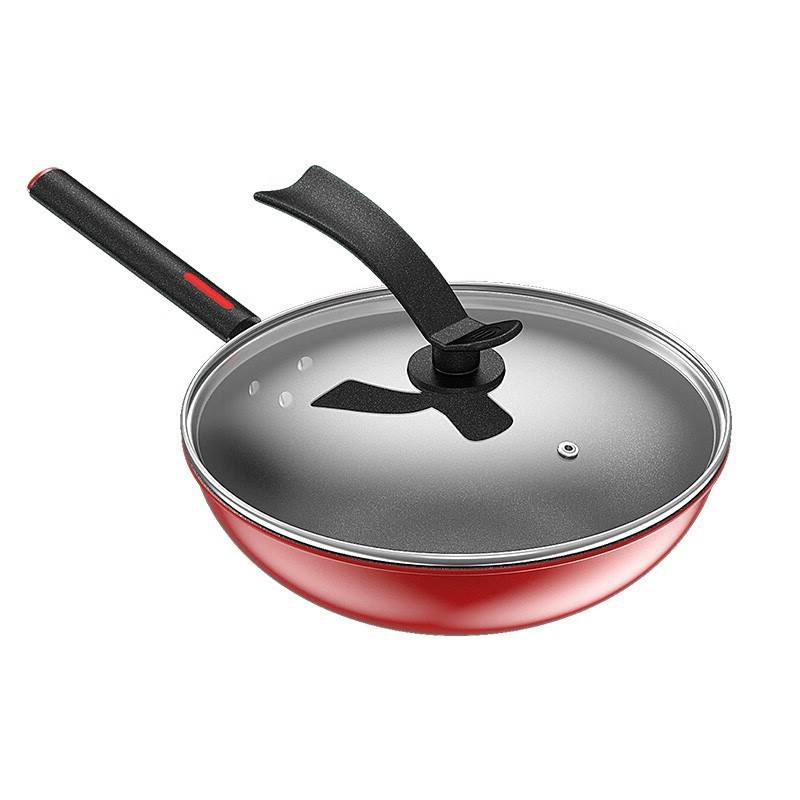
Seasoning transforms bare metal into a surface that releases food without synthetic coatings. The process involves applying a very thin layer of oil to the metal and heating it past the oil smoke point. At that temperature, the oil molecules break down and reorganize into a polymer network. That polymer network bonds to the metal surface. It fills microscopic pores and creates a smooth dark layer. Multiple layers of seasoning build up over time. Each cooking session that uses oil adds a little more to the seasoning. Each intentional seasoning treatment in an oven adds more as well.
A well seasoned cast iron or carbon steel pan shows a dark, somewhat glossy surface. Eggs slide across it. Cornbread releases easily. The seasoning also protects the metal from rust. A pan with good seasoning does not need special handling beyond normal cooking practices. Building seasoning from scratch takes some effort. The pan gets cleaned and dried completely. A high smoke point oil such as vegetable oil or canola oil goes onto the entire surface. Every spot gets covered, including the outside and the handle. Excess oil gets wiped away until the pan looks dry. The pan then goes into a warm oven turned to a moderate temperature for about an hour. After cooling, a second layer can be applied. Repeating this process several times creates a strong initial seasoning. After that, regular cooking maintains the layer. Acidic foods such as tomato sauce can strip seasoning if left in the pan for a long time. Cooking those foods briefly does little harm. A Wholesale Stainless Steel Cookware buyer who also handles carbon steel lines often provides seasoning instructions because customers who learn the process become repeat buyers of the product line.
No single pan does every job well. A kitchen benefits from having several pieces of Non Chemical Cookware, each suited to particular tasks. Stainless steel works well for foods that need browning followed by a sauce. The process of searing meat and then deglazing the pan creates a flavorful base. Acidic dishes such as tomato sauce or lemon based preparations also suit stainless steel because the material does not react with acids. Cast iron excels at high heat searing and long slow cooking. A steak gets a dark crust in a cast iron pan. A pot of beans simmers evenly for hours. The weight of cast iron holds temperature steady during the cooking process.
| Cooking Task | Recommended Material | Reason |
|---|---|---|
| Searing steak | Cast iron or carbon steel | High heat retention creates good crust |
| Making tomato sauce | Stainless steel | Non reactive with acids |
| Frying eggs | Carbon steel or ceramic coated | Smooth surface releases eggs well |
| Stir frying vegetables | Carbon steel | Light weight and quick response |
| Simmering soup for hours | Cast iron or stainless steel | Holds steady temperature |
| Deglazing for pan sauce | Stainless steel | Shows fond clearly for deglazing |
A Wholesale Stainless Steel Cookware supplier often recommends starting with one stainless steel skillet and one cast iron pan. Those two pieces cover a wide range of cooking methods. Adding a carbon steel wok or skillet expands the possibilities further. Ceramic coated options serve cooks who want a familiar nonstick feel without synthetic materials. The choice depends on cooking habits, storage space, and willingness to learn basic techniques such as preheating and seasoning. Non Chemical Cookware rewards practice. A pan that seems difficult in the first week becomes a trusted tool after a few months of regular use.
Recommended Products


NEWDREAM: +86 13646697735
HUANGXUKITCHENWARE: +86 19557954954


Donggao Fenghuangshan Industrial Zone, Tongqin Town, Wuyi County, Jinhua City, Zhejiang Province, China
Copyright © Wuyi Huangxu Industry & Trade Co., Ltd. All Rights Reserved.
Cookware Factory

 English
 русский
 日本語
日本語 Español
 Deutsch