Inquiry
2026-06-19
Kitchen routines have become more flexible in many homes, and meal preparation often moves in layers rather than in a straight line. A Kitchen Frying Pan Set fits into that pattern with little effort, since different pans can handle different stages of cooking at the same time. One pan may stay on gentle heat for eggs or vegetables, while another works with a hotter surface for meat or sauces.
A set also suits kitchens where space and time both matter. Instead of relying on a single pan for every task, the cook can divide work more naturally across several pieces. That kind of arrangement keeps the work area calmer and makes the process feel less cramped.
Small habits in daily cooking show the value clearly:
When the cookware matches the rhythm of the kitchen, the entire process tends to move with less interruption. A Kitchen Frying Pan Set supports that kind of flow without drawing attention to itself, which is often the real measure of convenience in daily use.
A set with different sizes gives the kitchen more room to work. Smaller pans suit quick tasks, light portions, and foods that need close control. Wider pans help when ingredients need space to spread out, turn, or cook side by side. The difference may seem simple, yet it changes how cooking feels from the start.
Using only one size for every meal can slow the rhythm down. A small pan may become crowded, while a large pan may waste heat when only a few items are being prepared. A Kitchen Frying Pan Set avoids that kind of mismatch by giving each task a more suitable surface.
The cooking flow often improves in quiet ways:
In practical terms, the kitchen becomes easier to manage. There is less waiting between steps, less reshuffling of food, and less pressure on one piece of cookware to do everything at once.
A practical set does not depend on appearance alone. Structure matters far more than surface style, because daily cooking places steady pressure on the pan body, handle, rim, and base. A well made Kitchen Frying Pan Set usually feels balanced in the hand and stable on the heat source.
Heat movement across the body is one of the main concerns. A good shape helps the surface warm in a steady way, so food cooks with fewer uneven spots. The shape also affects how the pan behaves when ingredients are moved around during cooking.
Handle design has a direct role in comfort. A handle that sits well in the hand makes lifting and turning less tiring. Weight balance matters too, since a pan that feels awkward can make routine cooking less pleasant over time.
A few structural details often shape the whole experience:
Even small design choices can change how the pan feels after months of use. That is why structure deserves close attention in any Kitchen Frying Pan Set.
Material choice affects how quickly a pan reacts to heat, how long it holds that heat, and how it behaves during cleaning. Some materials warm up fast and respond quickly when the heat source changes. Others stay steady for longer, which can help when cooking needs a calmer temperature.
Surface finish matters just as much. A smoother surface usually makes food easier to move and helps reduce sticking during ordinary cooking. That kind of finish can also make cleanup simpler after the meal is done.
Different pans in a Kitchen Frying Pan Set may serve different purposes because of the material used in each one. A lighter pan can be useful for quick tasks. A steadier one may suit longer cooking. A coated surface often helps with comfort during routine use, especially when the kitchen sees regular activity.
A simple comparison makes the difference easier to see:
| Material Character | Daily Effect | Common Use Feeling |
|---|---|---|
| Fast heating surface | Warms quickly and changes speed easily | Useful for short cooking tasks |
| Steady heat surface | Holds warmth for longer | Fits slower or longer cooking |
| Smooth coated surface | Helps food release more easily | Supports easier cleaning and handling |
Material selection does not need to be complicated to matter. In daily use, it shapes how smooth the cooking process feels and how much care the pan asks for in return.
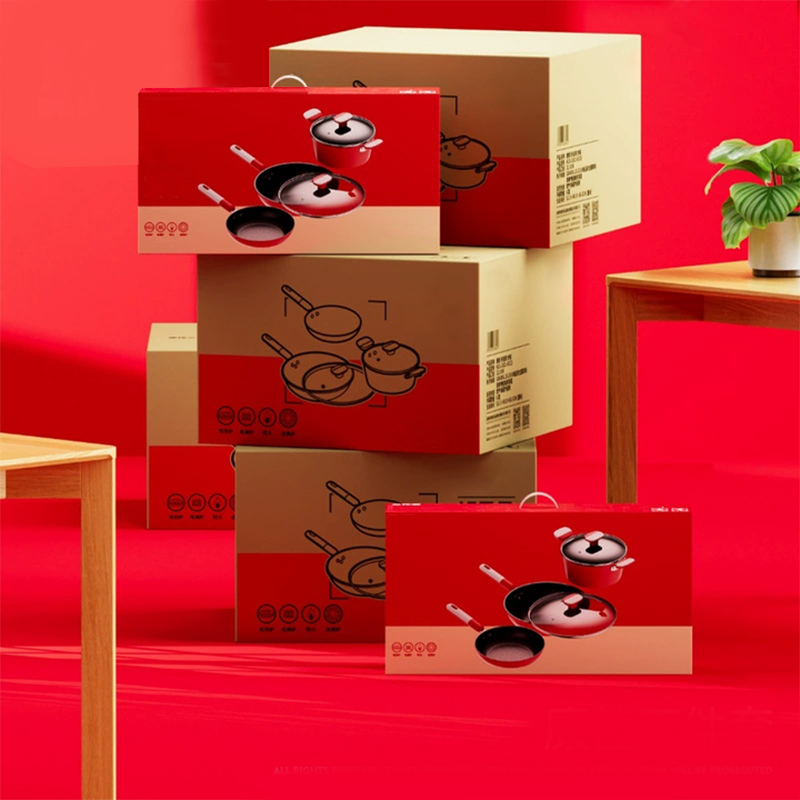
Cleaning is often where the value of a set becomes more visible. With several pans available, kitchen work can stay organized even after one pan has been used heavily. While one piece cools and is cleaned, another can remain ready for the next task. That rotation reduces strain on any single item.
A smooth interior usually helps in a direct way. Food residue is easier to remove when the surface does not hold onto it too tightly. Gentle cleaning tools are often enough when the pan is used in a steady and sensible way.
Storage also influences maintenance over time. Pans that are stacked carelessly may scratch each other or lose some of their surface quality. Better spacing and careful drying help keep the set in better condition for longer.
Simple habits make a noticeable difference:
Frying Pan Manufacturer choices affect this part of the user experience as well. The finish on the surface, the shape of the rim, and the quality of the coating all influence how much effort cleaning requires later. A pan that is easier to maintain usually feels easier to keep in regular use, which is where lasting convenience begins.
Behind a Kitchen Frying Pan Set, production thinking from a Frying Pan Manufacturer quietly sets the tone for how the cookware behaves in daily kitchens. The user may only see the final shape, yet details such as thickness balance, handle connection, and base structure all come from earlier design decisions.
In many cases, performance starts from how heat moves through the body. A stable construction helps reduce uneven hot spots, which makes cooking feel more predictable. Some designs focus on steady contact with heat sources, which keeps the surface behavior more controlled during longer cooking sessions.
There is also attention to handling comfort. If the grip feels awkward, even a well performing pan becomes tiring over time. For that reason, handle angle and weight balance are often adjusted together rather than separately.
Typical design adjustments often include:
A Kitchen Frying Pan Set usually reflects a mix of these choices across different pieces, so each pan has a slightly different feel while still belonging to the same system.
Long term stability in cookware rarely comes from one strong feature. It is more about how everyday use is spread out. A Kitchen Frying Pan Set naturally divides workload across several pans, which helps avoid constant pressure on a single piece.
Over time, that distribution changes how the set behaves. One pan is not always exposed to heat cycles, cleaning, and scraping at the same rate. The result is a slower, more even form of wear.
In regular kitchen use, a few patterns tend to appear:
There is also a practical side. When one pan is cooling or being cleaned, another can continue working. That simple rotation keeps cooking from breaking into pauses, especially during busier meal preparation.
The stability here is not about resistance to change, more about staying usable without constant adjustment or replacement pressure.
Efficiency in cooking often depends on timing rather than speed. When a Kitchen Frying Pan Set is used in coordination, several tasks can move at once instead of waiting in line.
A common pattern is dividing cooking stages. One pan handles early heating, another manages main cooking, and a third supports finishing or warming. This separation reduces idle time between steps and keeps movement steady across the kitchen.
Heat use also becomes more flexible. Different pans can sit on different heat levels at the same time, which avoids repeated switching. That helps maintain a smoother rhythm without frequent interruptions.
In daily use, coordination often looks like this:
The kitchen feels less like a sequence of stops and more like a continuous flow. The improvement is subtle, yet it becomes noticeable during repeated cooking routines.
Kitchen environment quietly shapes how a Kitchen Frying Pan Set behaves during use. The heat source, space layout, and even airflow can influence how each pan performs from one day to another.
Different heat sources affect how evenly the pan warms. Some surfaces deliver steady heat, while others shift more quickly. The pan responds to those changes, and structural balance helps reduce uneven cooking areas.
Space also plays a role. In tighter kitchens, movement between stove and preparation area becomes more frequent. A set of pans allows tasks to stay separated, so cooking does not feel crowded in one spot.
Environmental influence can be noticed in small ways:
Even room conditions can slightly change how fast a pan cools or how soon it is ready for cleaning. These effects are not dramatic, yet they shape daily experience over time.
Changes in kitchen habits continue to guide how a Frying Pan Manufacturer approaches design. Cooking is no longer tied to a single method, so cookware needs to support different routines without adding complexity.
One direction is flexibility. A Kitchen Frying Pan Set is often shaped to handle several cooking styles within one group of tools. This reduces the need for extra cookware and keeps kitchen space more manageable.
Another direction is structural refinement. Small adjustments in weight, base support, and surface finish can influence comfort during long use. These details are often subtle, yet they affect how the pan feels after repeated cooking.
Material combinations are also adjusted across sets. Instead of relying on one behavior, different pans in the same set may serve different cooking roles, which creates a more balanced system overall.
Ongoing design attention usually focuses on:
Over time, these adjustments help the Kitchen Frying Pan Set stay aligned with everyday cooking needs without changing its basic form.
Recommended Products


NEWDREAM: +86 13646697735
HUANGXUKITCHENWARE: +86 19557954954


Donggao Fenghuangshan Industrial Zone, Tongqin Town, Wuyi County, Jinhua City, Zhejiang Province, China
Copyright © Wuyi Huangxu Industry & Trade Co., Ltd. All Rights Reserved.
Cookware Factory

 English
 русский
 日本語
日本語 Español
 Deutsch