Inquiry
2026-08-07
Cookware sits at the center of daily kitchen work. Frying, simmering, reheating, and serving all depend on the surface touching the food, so material choice has become harder to ignore. Many households once picked pans mainly for convenience or appearance. Now, more attention goes to what the pan is made of, how it behaves under heat, and how long it stays in good shape through regular use.
A growing number of families have started looking at cookware in a different way. Instead of asking only whether a pan is easy to use, they also ask how the material holds up after repeated cooking, washing, and storage. That shift has helped bring Non Chemical Cookware into wider use.
Interest in simpler materials often comes from everyday habits rather than trend talk. A pan used several times a week needs to stay steady under heat. A kitchen tool that touches food again and again should feel dependable after repeated cleaning. When a product begins to show wear too soon, people naturally start looking for another option.
Several practical concerns often appear during the buying process:
Kitchen choices are rarely made in one step. Families usually compare a few options, think about their cooking style, then settle on what feels comfortable over time. Material awareness has become part of that process, and that alone has changed what many people keep in their cabinets.
A big part of the difference comes from the cooking surface itself. Traditional coated cookware uses an added layer to help food release more easily. Non‑coated cookware takes another path, relying on the material underneath rather than a separate surface film.
That difference changes the way people cook. Stainless steel feels stable and familiar to many home cooks. Cast iron builds its cooking character through regular care. Ceramic brings a smooth surface with its own handling style. None of these materials behave exactly like coated cookware, which is why the cooking experience feels different from the start.
| Cookware Material | Cooking Surface | Everyday Use |
|---|---|---|
| Stainless Steel | Stable metal surface | Fits many routine meals |
| Cast Iron | Strong natural surface | Needs regular care and attention |
| Ceramic | Smooth material surface | Often chosen for simple cooking needs |
| Coated Cookware | Added surface layer | Can feel easy for quick cooking |
Material choice also shapes the cooking rhythm. Some pans need a little more patience at the start, while others ask for steady care over time. That does not make one type better across every kitchen. It only means each one suits a different way of cooking.
People interested in Non Chemical Cookware often want a cooking tool that feels straightforward. Less worry about surface layers, fewer questions about coating wear, and a more direct relationship between material and meal can all play a part in that choice.
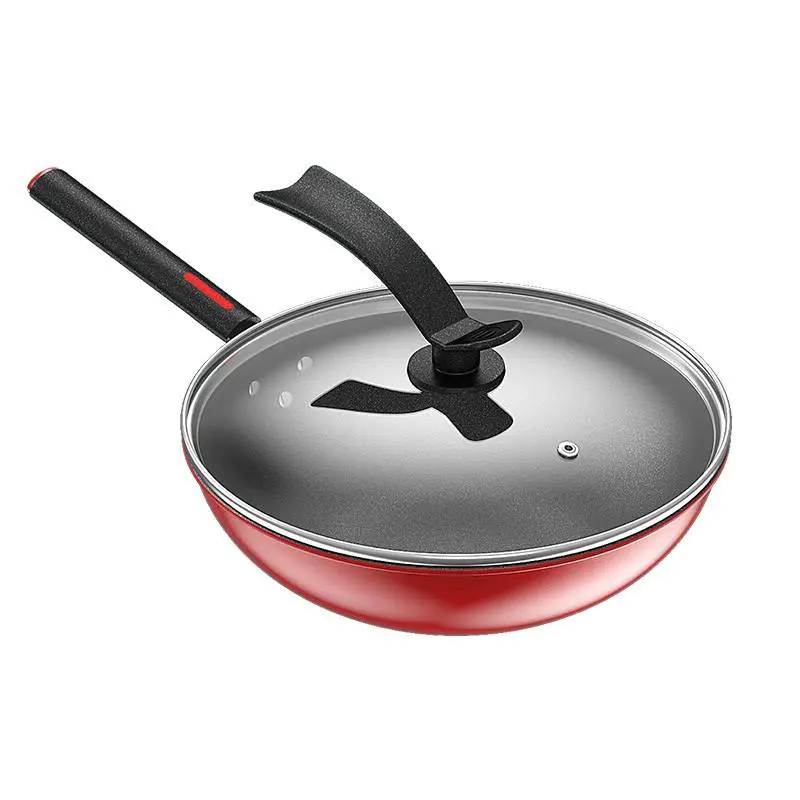
A lot of interest in coating‑free cookware comes from long‑term use. Many buyers do not focus only on how a pan works on day one. They also want to know how it will behave after months of regular cooking, repeated washing, and daily handling.
Traditional non‑stick pans became popular because they made cooking and cleanup easier. Over time, some users began paying closer attention to how those surfaces change with use. Once a surface begins to wear, people start asking whether a different material might fit their habits more comfortably.
Common concerns usually include:
Durability has become one of the main reasons many households pay attention to cookware materials. A pan or pot is used again and again, often under heat, water, oil, and storage pressure. Once a kitchen item starts wearing out too quickly, it usually becomes part of a replacement cycle that people would rather avoid.
That is where longer‑lasting materials start to stand out. Stainless steel, cast iron, and other simple material structures do not depend on a coating layer to keep working. Their cooking surface is part of the material itself, so the item can stay useful for a long time when cared for in a sensible way.
A durable piece of cookware often creates a calmer daily routine.
Cast iron gives a clear example. With proper seasoning and care, its surface gradually changes in a way that supports cooking. Stainless steel follows a different path, staying stable through regular use without needing that kind of surface buildup. Both materials ask for attention, although the attention is practical rather than complicated.
Environmental awareness also plays a part. When cookware lasts longer, fewer items need to be thrown away and replaced. That simple change fits well with households trying to reduce waste without changing their whole cooking style.
Natural materials appeal to many home cooks because they create a more direct connection between the pan and the food. Instead of relying on a separate coating, the cooking surface comes from the base material itself. That changes the rhythm of cooking and the way the pan is cared for.
Cast iron and carbon steel can build a natural cooking surface through regular oil seasoning. The surface does not appear overnight. It develops through use, cleaning, drying, and routine care. For some people, that process feels practical and familiar.
Stainless steel offers a different kind of experience. It does not need seasoning in the same way, yet it still responds to heat and technique. Many cooks value that steady, plain structure because it works across a wide range of meals.
Each material brings its own habits:
The growing attention to Non Chemical Cookware is partly tied to that sense of material honesty. A pan built from a clear base material feels easier to understand than one that depends on a surface layer. That does not make one choice right for every kitchen. It only means many households now prefer cookware that feels straightforward to use and maintain.
People are also thinking more about how often kitchen products need replacing. A pan that wears out quickly does not only affect the cooking routine. It also adds waste, extra shopping, and more items leaving the kitchen sooner than expected.
Longer‑lasting cookware fits a more careful approach to household use. When one pan stays in service for a longer period, fewer replacements are needed. That can make the kitchen feel more organized and less dependent on constant buying.
Common habits that support this way of thinking include:
Environmental concern does not always show up in large lifestyle changes. It often appears in small decisions made during everyday shopping. Cookware is one of those decisions because the item is used so often and usually kept for a long time.
Material clarity matters too. A simple material structure is easier for many buyers to understand, which helps them make choices based on how the product will work in real life rather than on appearance alone.
Choosing cookware becomes easier once the actual kitchen routine is clear. A household that fries often may need different cookware from one that cooks soups or reheats meals more often. Storage space, cleaning habits, and cooking frequency all change what feels practical.
A few points often help narrow the choice:
Maintenance deserves attention as well. Some materials need seasoning and drying, while others need only simple washing and careful storage. A good choice is usually one that fits the amount of care the household is willing to give.
There is also the question of comfort. A pan that feels heavy may suit one cook and feel awkward for another. A smooth surface may help one kitchen routine while creating a different cooking experience in another. Everyday use matters more than a general label.
The Cookware choice often makes sense when the goal is to keep the kitchen simple, durable, and easy to manage. The appeal comes from everyday practicality, not from a dramatic promise. That quiet usefulness is part of why it has become more visible in modern kitchens.
Kitchen habits keep shifting, and cookware is changing with them. Many households now care more about what the pan is made of, how long it lasts, and how it behaves during repeated cooking. Safety awareness, material clarity, and long‑term use all influence the decision.
That change is easy to see in daily life. A family may start with a coated pan, then later look for something that feels simpler to maintain. Another household may want a strong pan that can stay in use for years. Another may prefer a material that feels natural and easy to understand.
Non Chemical Cookware fits into that broader move toward more thoughtful kitchen choices. It reflects a preference for materials that feel direct, stable, and suitable for regular cooking. For many modern kitchens, that practical feeling is enough to explain why interest keeps growing.
Recommended Products


NEWDREAM: +86 13646697735
HUANGXUKITCHENWARE: +86 19557954954


Donggao Fenghuangshan Industrial Zone, Tongqin Town, Wuyi County, Jinhua City, Zhejiang Province, China
Copyright © Wuyi Huangxu Industry & Trade Co., Ltd. All Rights Reserved.
Cookware Factory

 English
 русский
 日本語
日本語 Español
 Deutsch