Inquiry
2026-03-20
Maifan stone, also known as medical stone, is a type of mineral rock originating from China with a history stretching back centuries in traditional wellness practices. When incorporated into cookware, the maifan stone wok represents a fascinating intersection of ancient natural materials and modern kitchen technology. This stone contains over fifty trace elements including calcium, iron, zinc, and selenium that can potentially migrate into food during cooking. Manufacturers grind the stone into fine powder before combining it with coating formulations, creating cooking surfaces that claim both practical non-stick performance and potential health benefits.
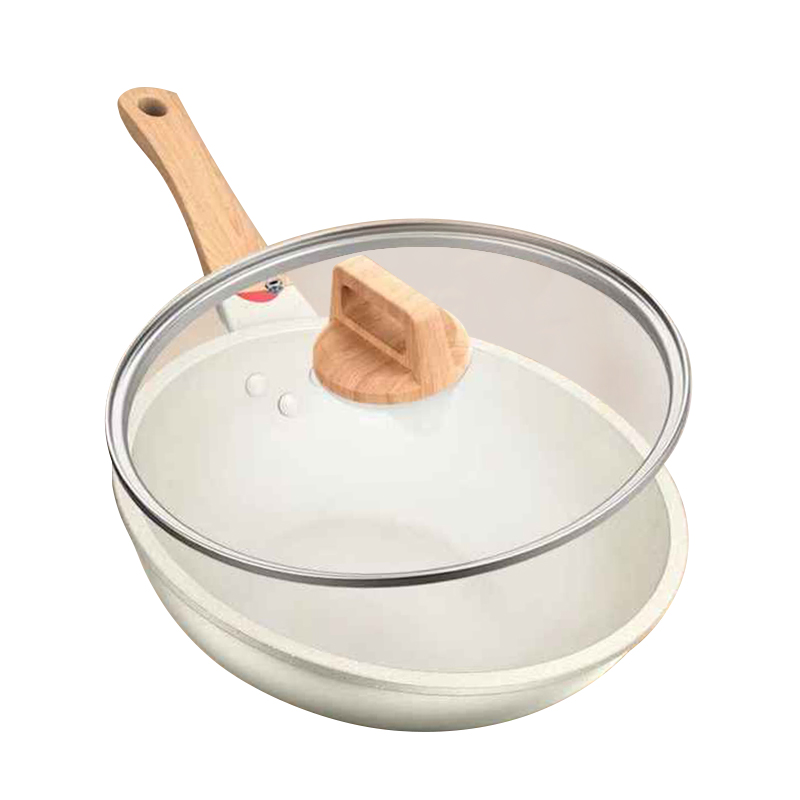
The surface of a maifan stone wok typically consists of multiple layers engineered for durability and release properties. Unlike traditional non-stick coatings that rely solely on fluoropolymers, these formulations incorporate crushed maifan stone particles throughout the matrix. This composite structure serves several purposes:
Premium versions may incorporate additional materials including ceramic reinforcements or diamond-infused layers that further enhance scratch resistance and thermal performance.
Beneath the coating lies the structural foundation that determines heat behavior. Most maifan stone wok units feature aluminum alloy bases selected for exceptional thermal conductivity. Die-cast construction creates one-piece bodies without seams or riveted joints that could compromise integrity. The thickened base, often incorporating composite layers, serves multiple functions:
Heat spreads rapidly across the cooking surface, eliminating localized hot spots that cause burning. The flat bottom designs accommodate modern cooktops including induction, gas, ceramic, and electric ranges. Wall thickness provides sufficient mass for heat retention while remaining light enough for comfortable handling during stir-frying motions.
Manufacturers position these products as alternatives to conventional non-stick cookware with specific health-focused claims. A maifan stone wok typically carries PFOA-free certification, meaning the coating process avoids compounds once common in fluoropolymer production. The natural mineral content appeals to consumers seeking fewer synthetic materials in contact with food. Some manufacturers also claim reduced oil requirements compared to traditional pans, with estimates suggesting cooking oil reduction of thirty to forty percent during normal use.
The trace element migration theory suggests that during heating, minerals slowly release from the stone particles into cooking food. While traditional Chinese medicine has long valued maifan stone for its purported wellness properties, the actual transfer rates during typical cooking remain variable depending on temperature, cooking duration, and food composition.
Users of the maifan stone wok report distinct performance features during kitchen use. The non-stick properties allow delicate foods like eggs and fish to release cleanly without excessive oil. Heat distribution across the cooking surface enables consistent browning without the scorched spots common in inferior pans. The relatively lightweight construction compared to cast iron or carbon steel woks makes tossing and stirring less fatiguing during extended cooking sessions.
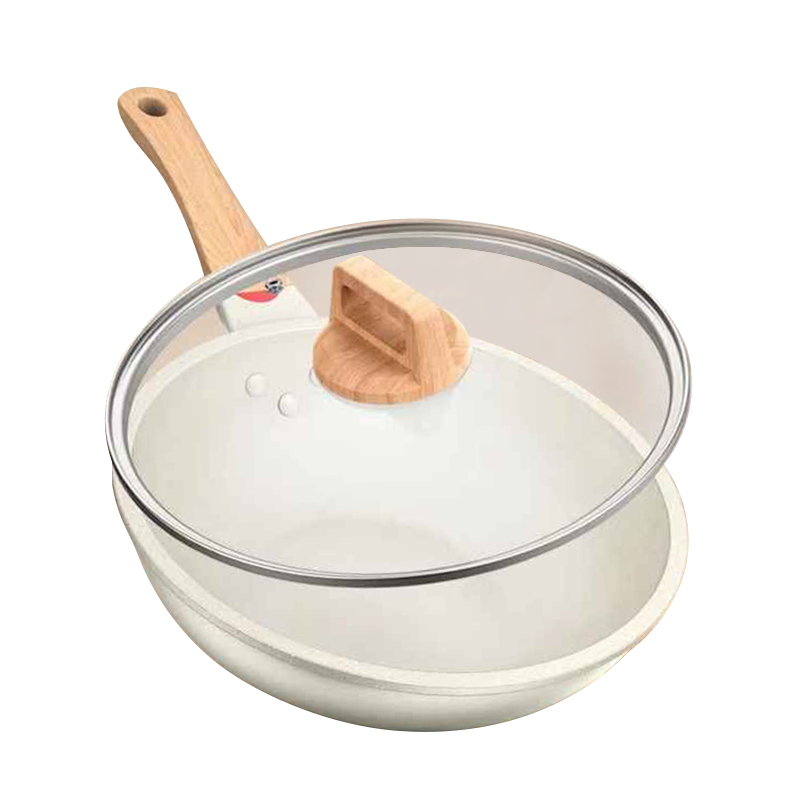
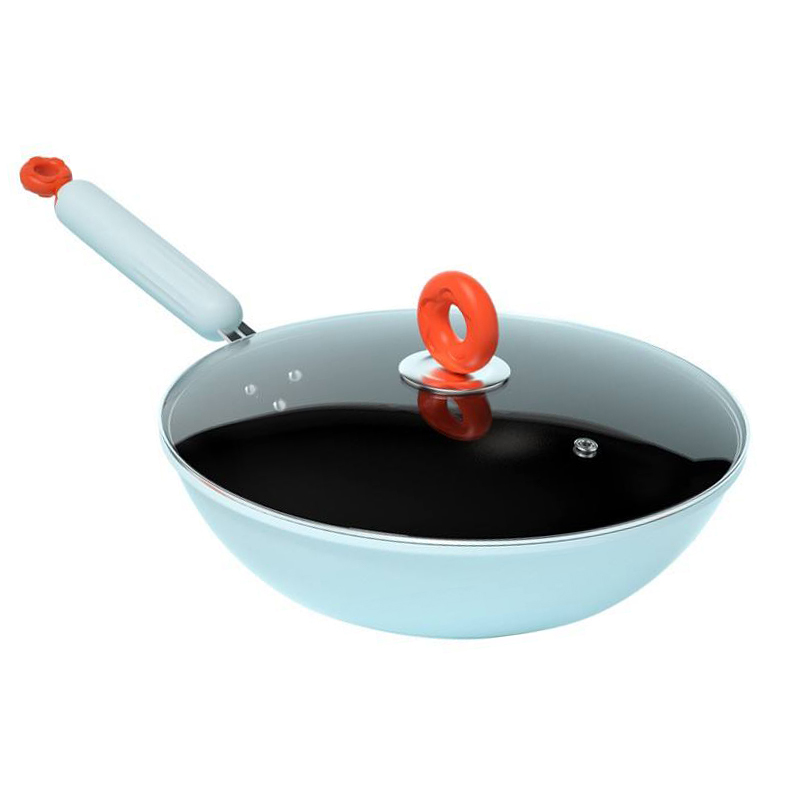
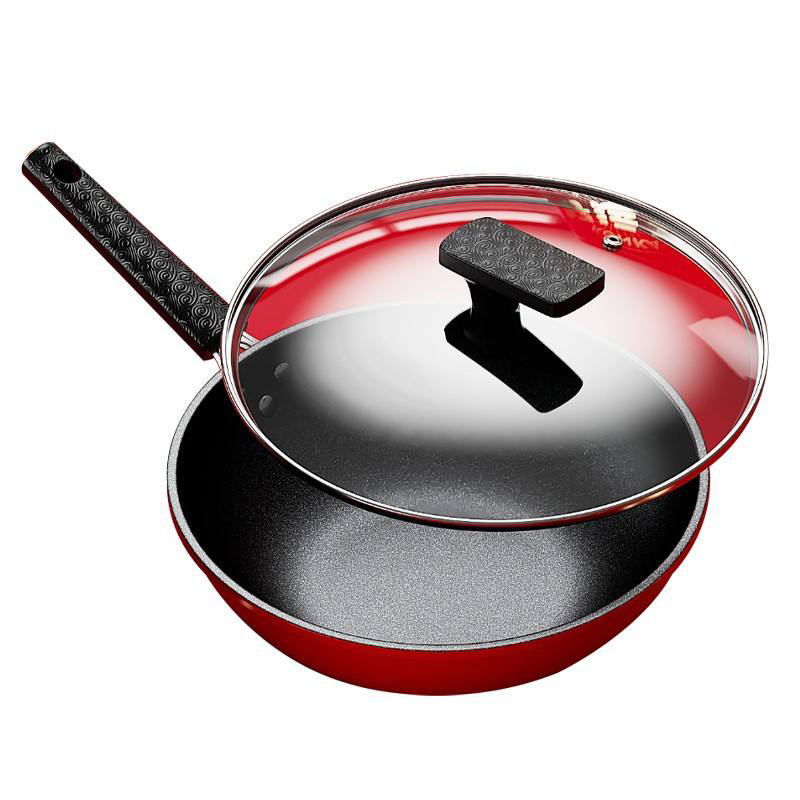
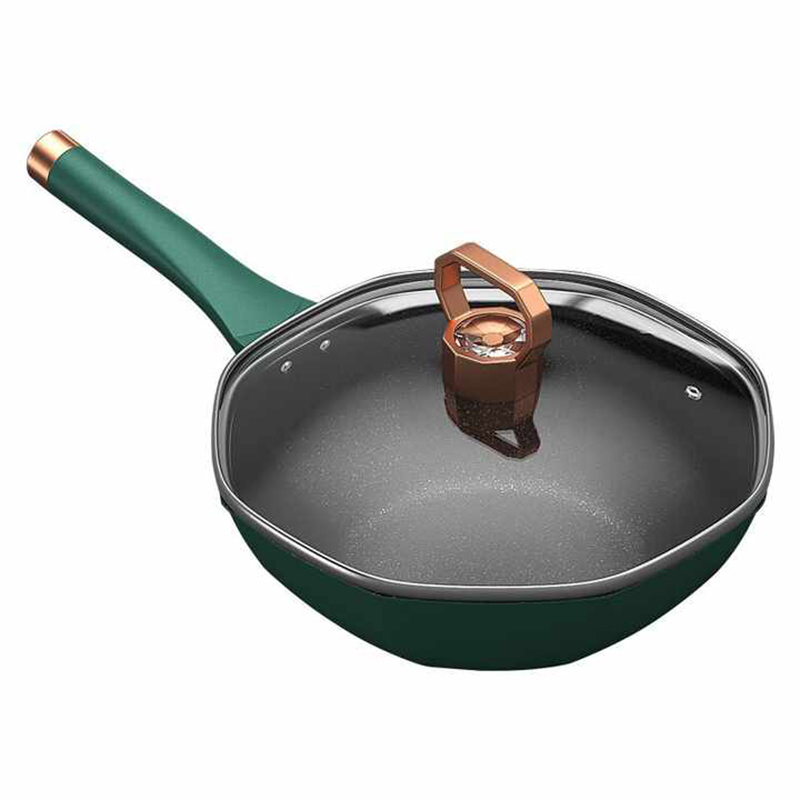
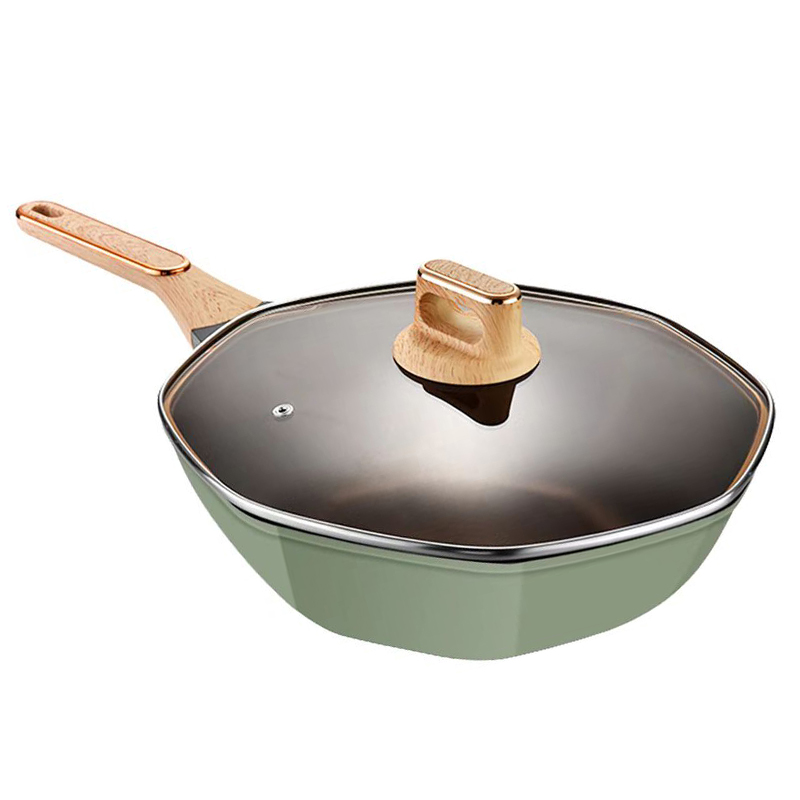
The flat or slightly rounded bottom designs suit Western-style cooktops while maintaining adequate capacity for stir-frying techniques. Glass lids with steam vents allow moisture monitoring without lifting covers and releasing heat.
Proper handling significantly extends the functional life of any maifan stone wok. Manufacturers consistently recommend:
Modern kitchen electrification has driven demand for cookware compatible with induction cooktops. A properly designed maifan stone wok incorporates ferromagnetic material within its base construction. This layer responds to magnetic fields generated by induction coils, converting electromagnetic energy directly to heat. Full-surface magnetic response throughout the base ensures even heating rather than the hot rings produced by inferior designs with only central magnetic discs.
Base flatness must meet strict tolerances for proper contact with glass cooktop surfaces, ensuring efficient energy transfer and preventing damage to both pan and cooktop during use.
Recommended Products


NEWDREAM: +86 13646697735
HUANGXUKITCHENWARE: +86 19557954954


Donggao Fenghuangshan Industrial Zone, Tongqin Town, Wuyi County, Jinhua City, Zhejiang Province, China
Copyright © Wuyi Huangxu Industry & Trade Co., Ltd. All Rights Reserved.
Cookware Factory

 English
 русский
 日本語
日本語 Español
 Deutsch