Inquiry

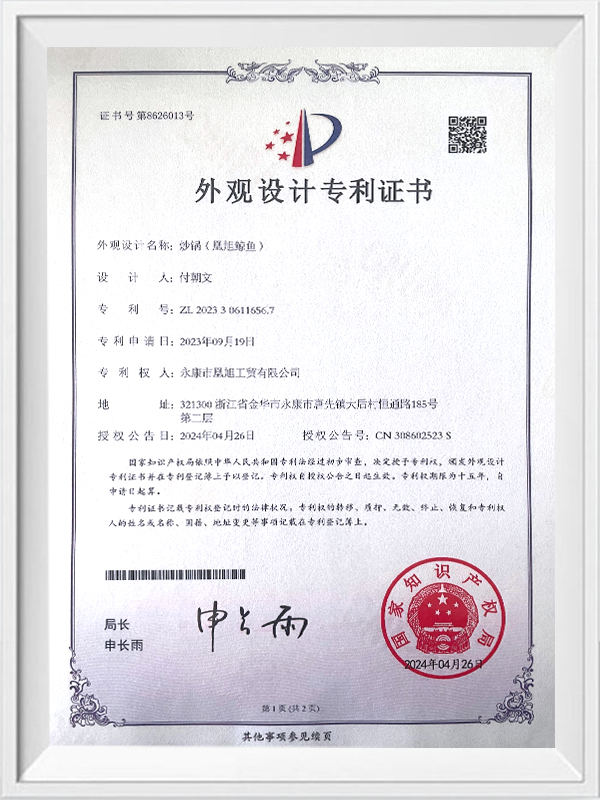
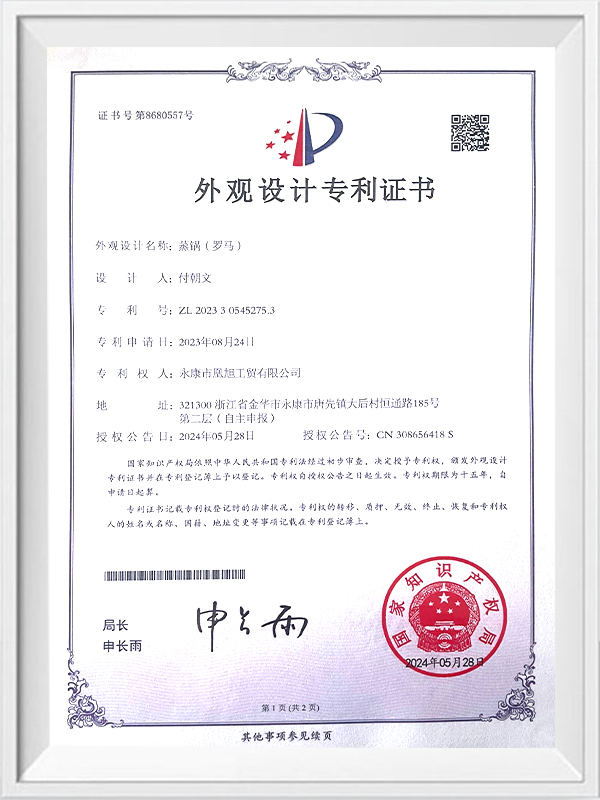
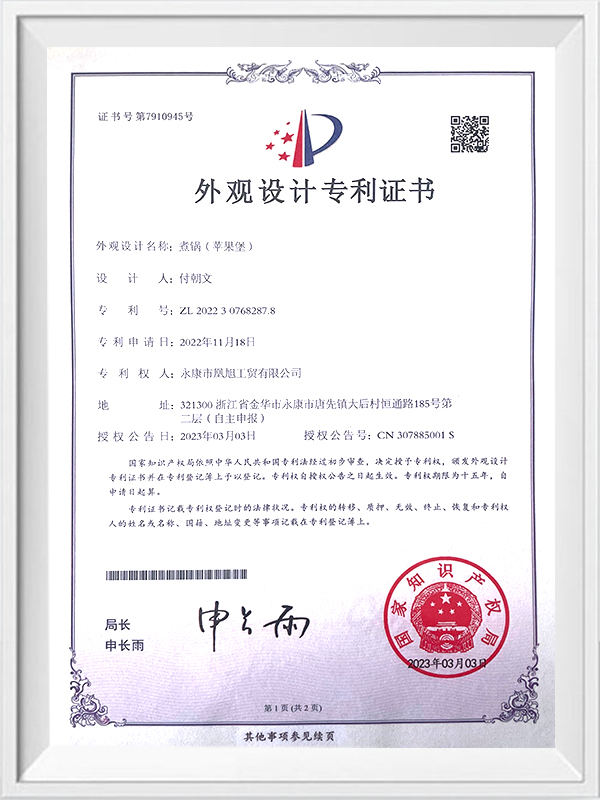
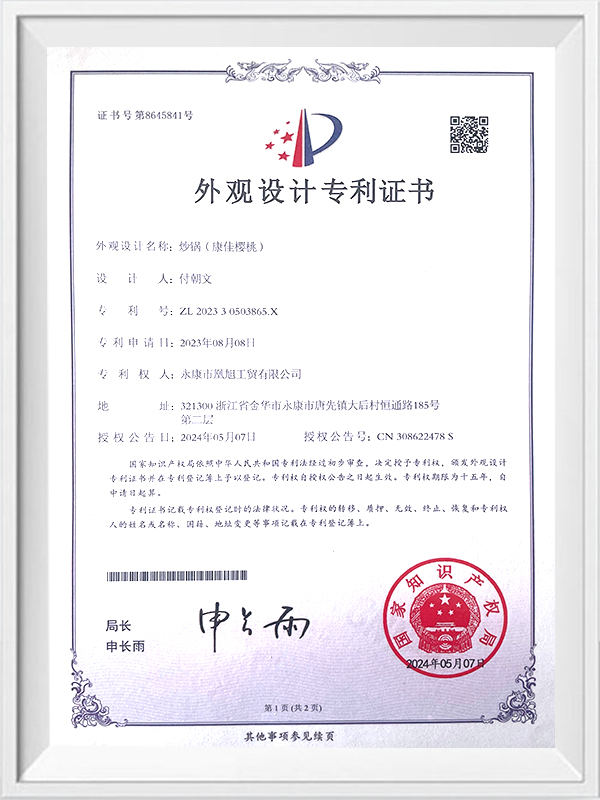
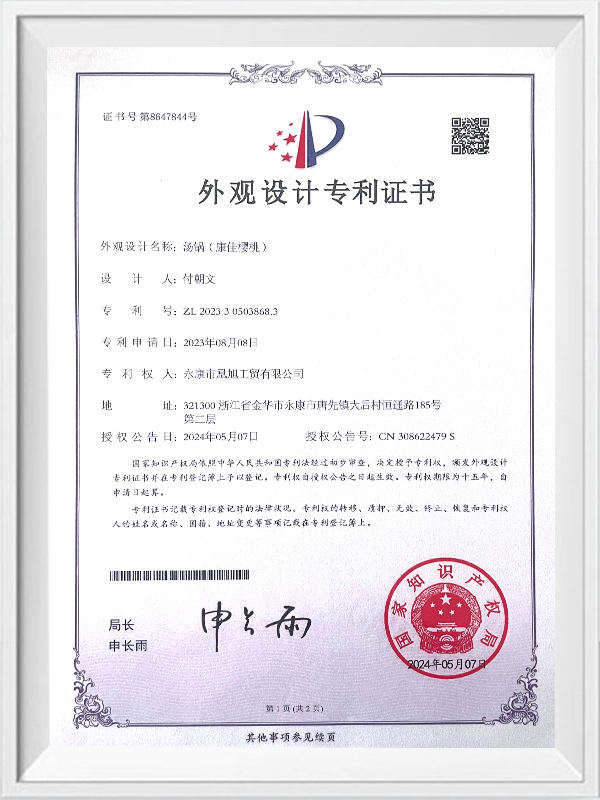
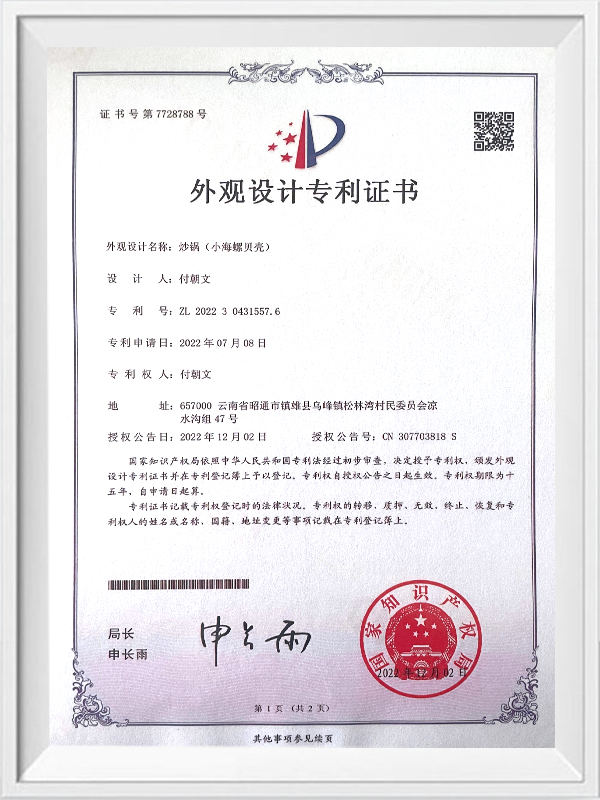
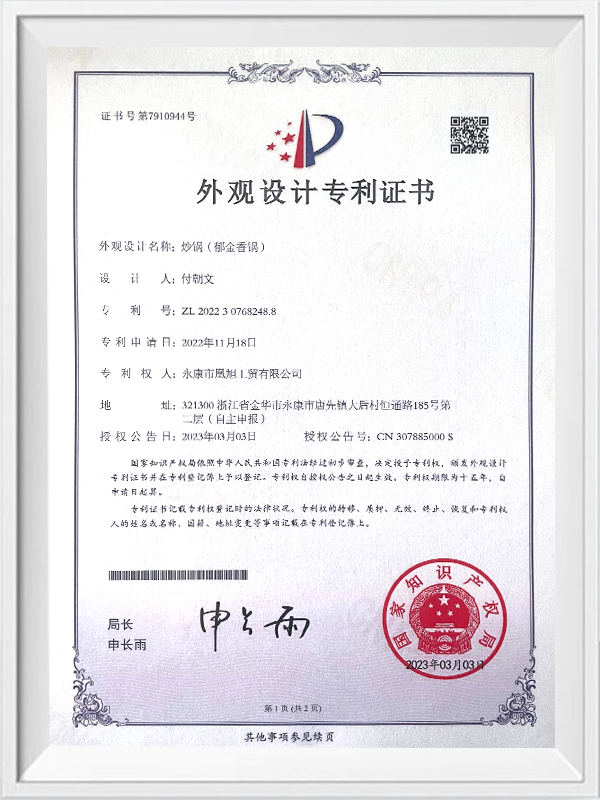
What Is Maifan Stone Maifan stone, also known as medical stone, is a type of mineral rock originating from Chi...
View MoreCoating Technologies Explained The release performance of any non-stick kitchen pan depends entirely on the co...
View MoreMaterial Selection Criteria The thermal performance of any household frying pan depends heavily on the metals ...
View MoreIn modern home kitchens, die-cast aluminum cookware is recognized for its fast and even heat distribution, lig...
View MoreIn contemporary kitchens, stainless steel cookware has grown popular among home cooks seeking durability, heal...
View MoreIn modern home kitchens, uncoated cookware has become a reliable choice for cooks seeking straightforward perf...
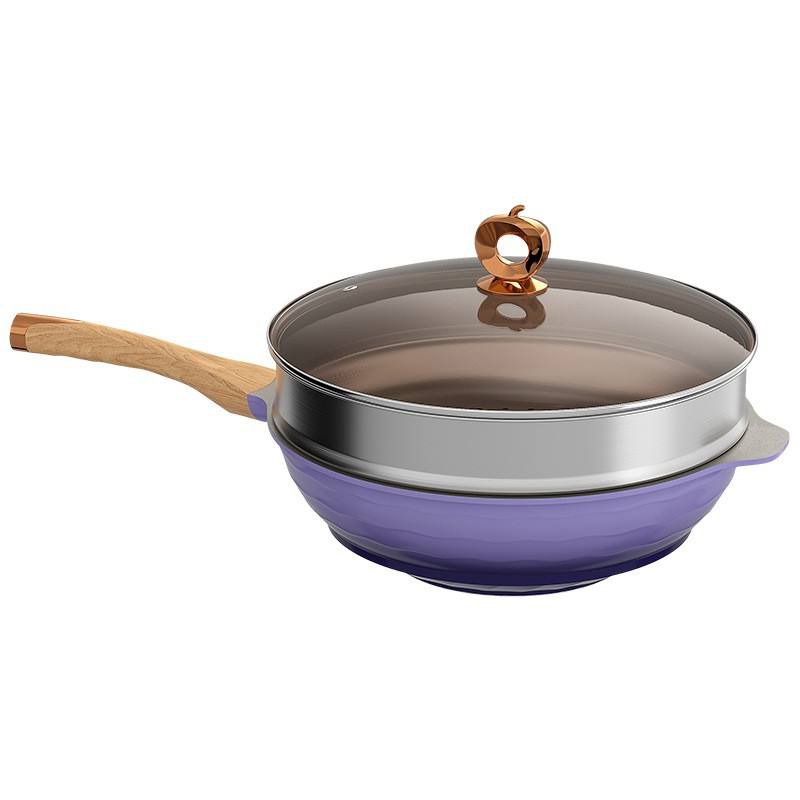
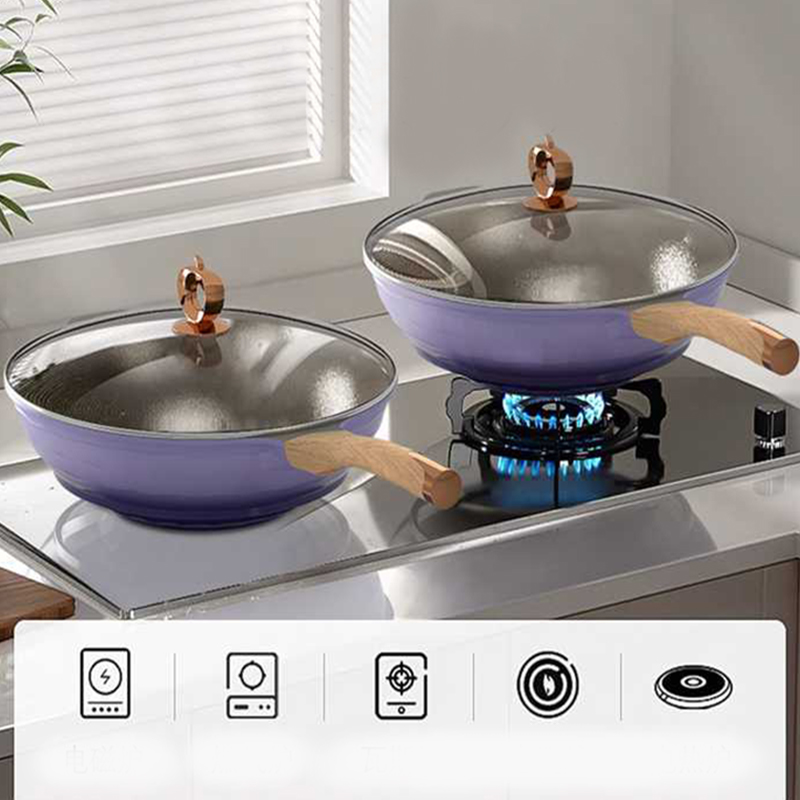
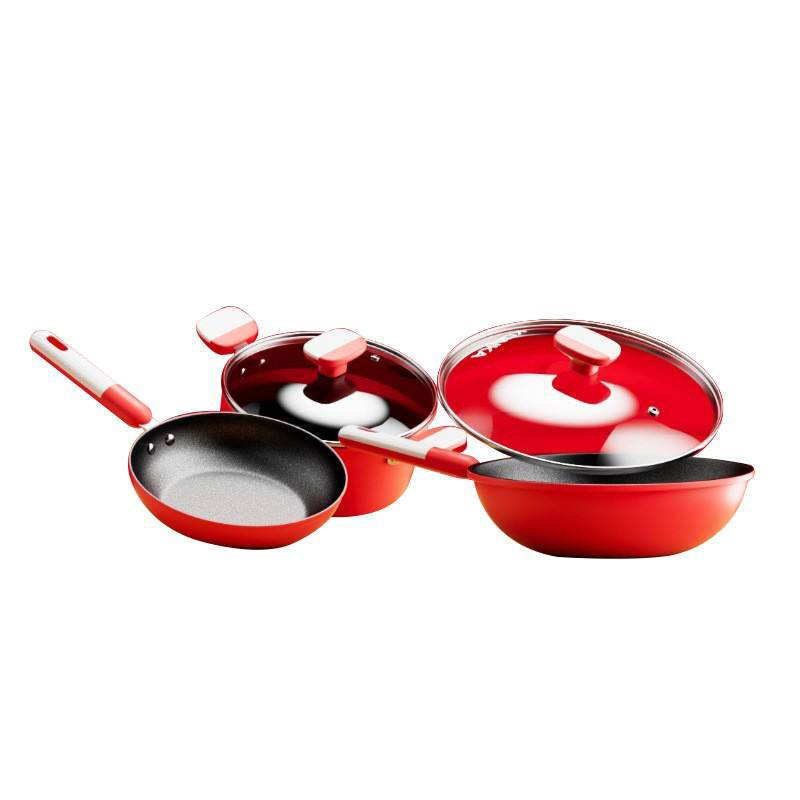
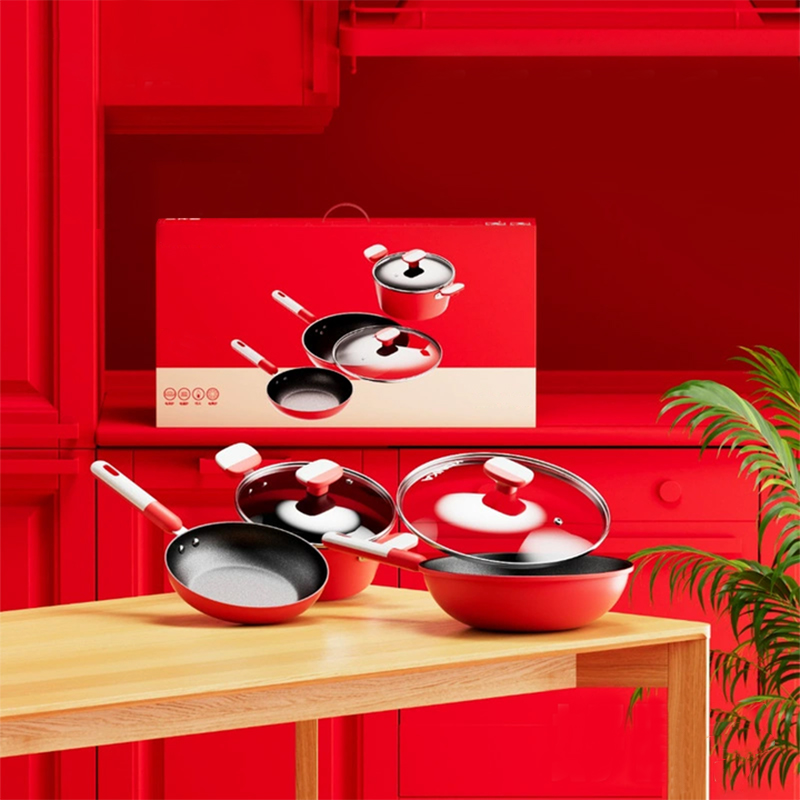
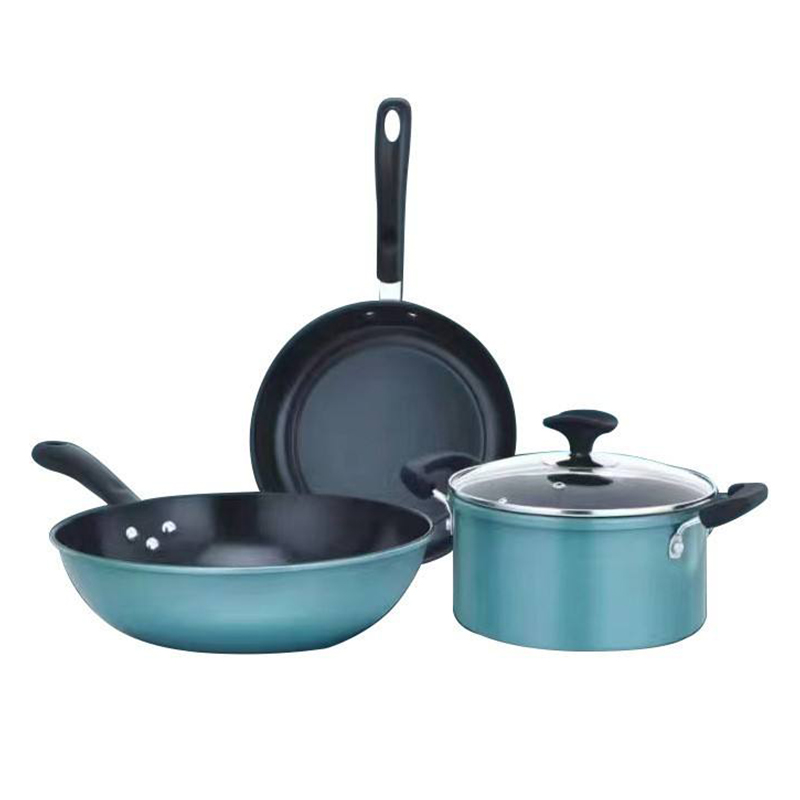
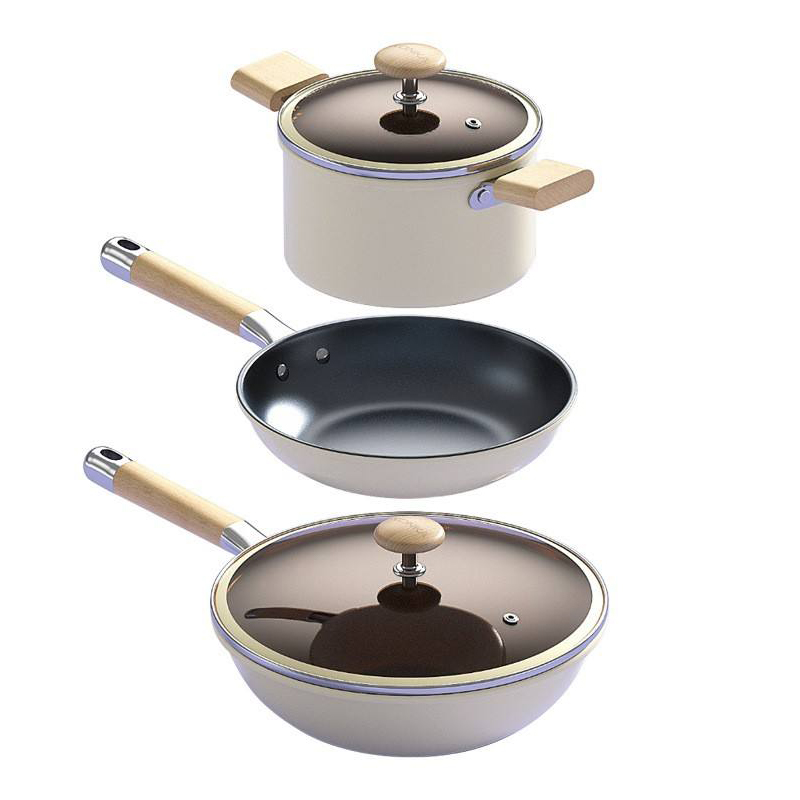
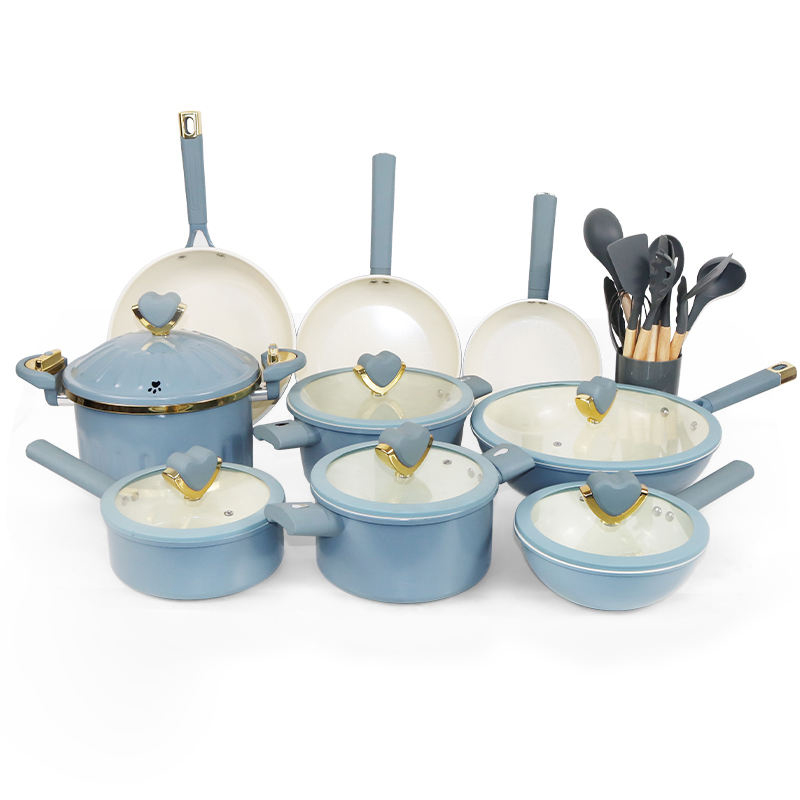
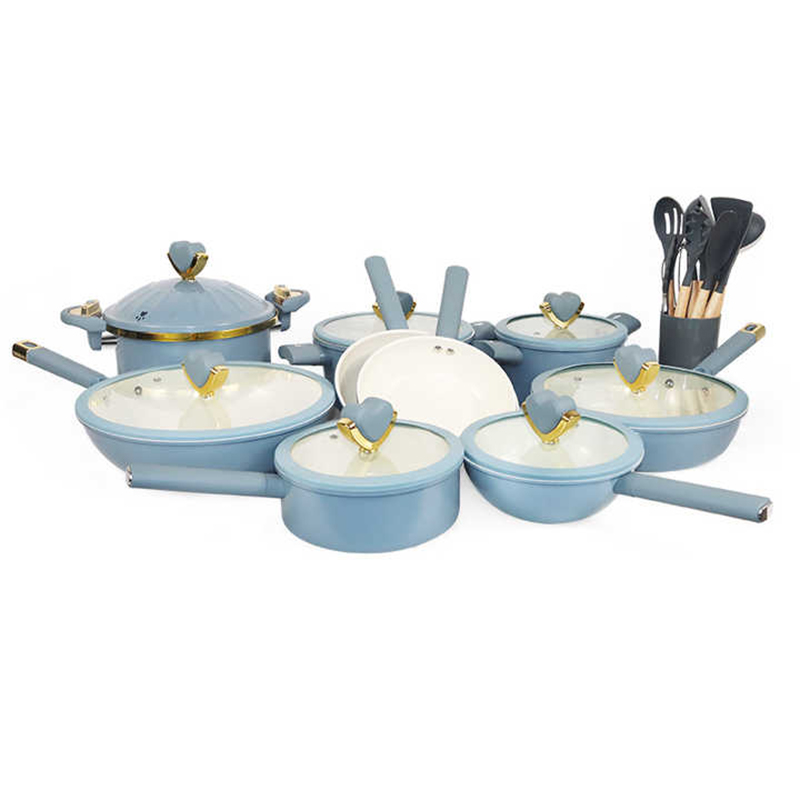
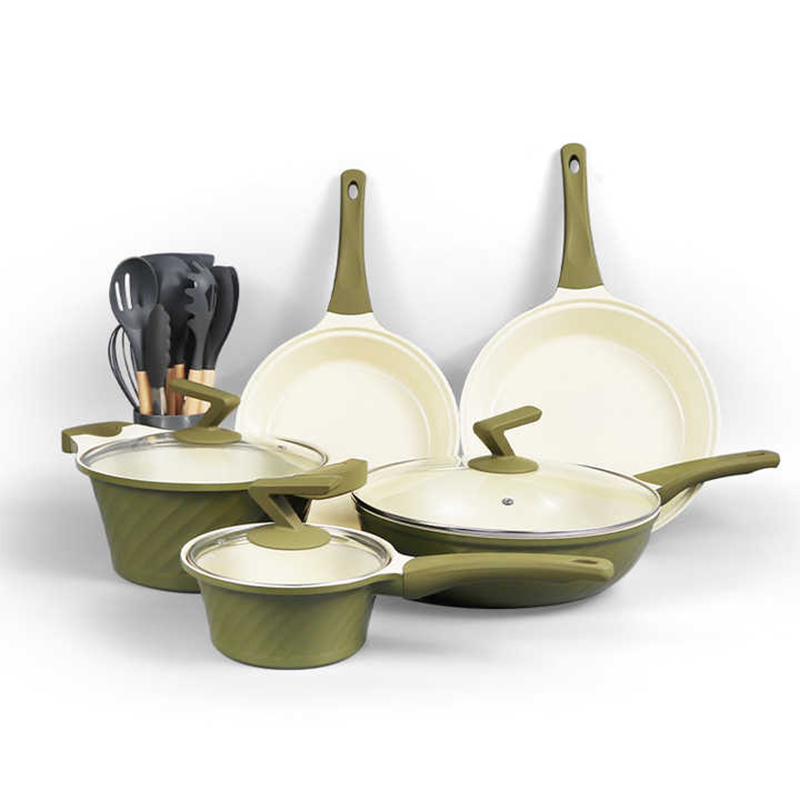
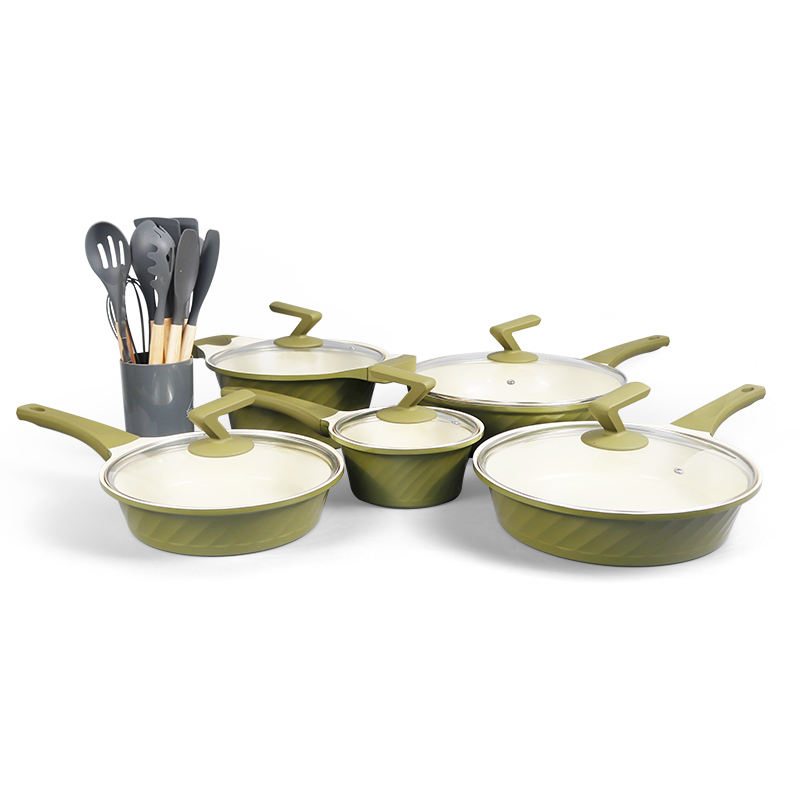
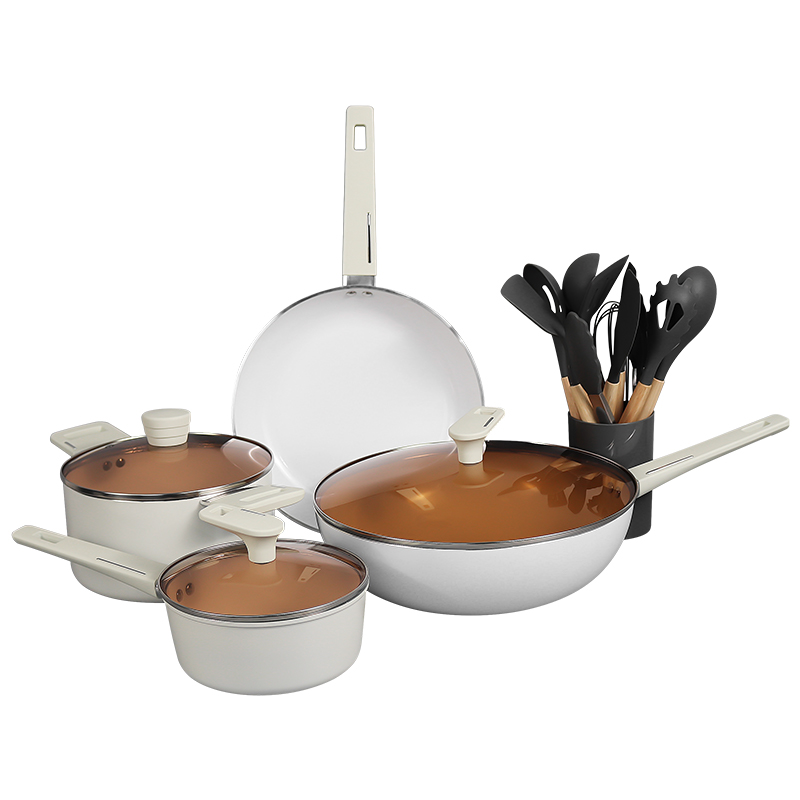
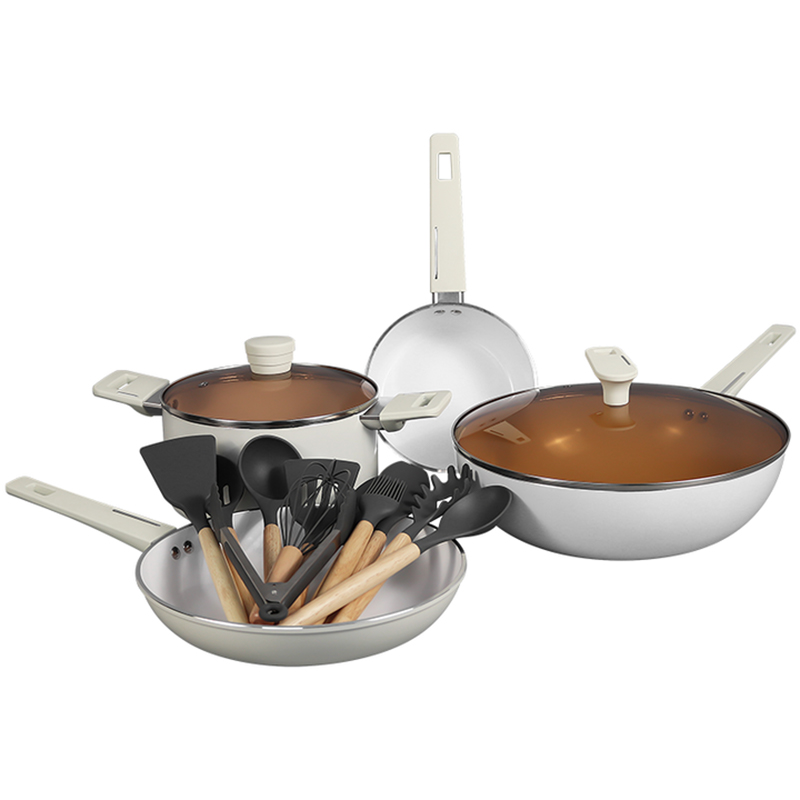
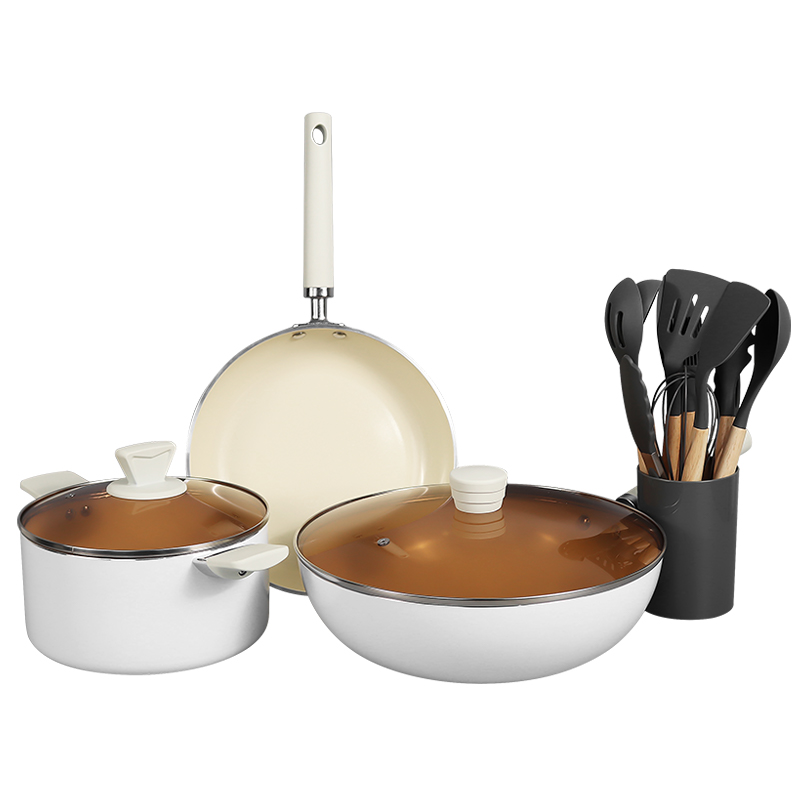
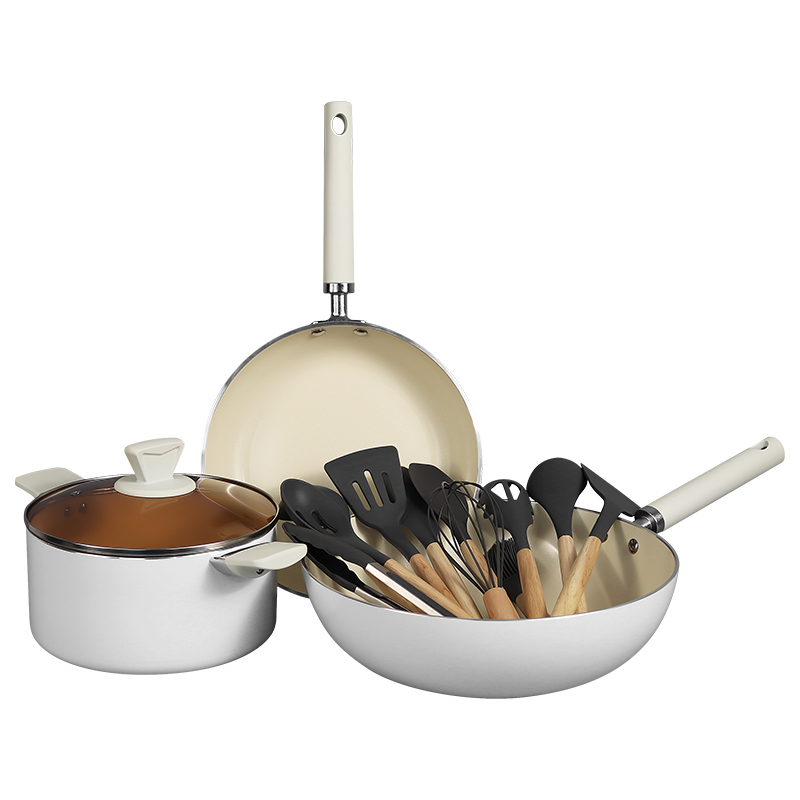
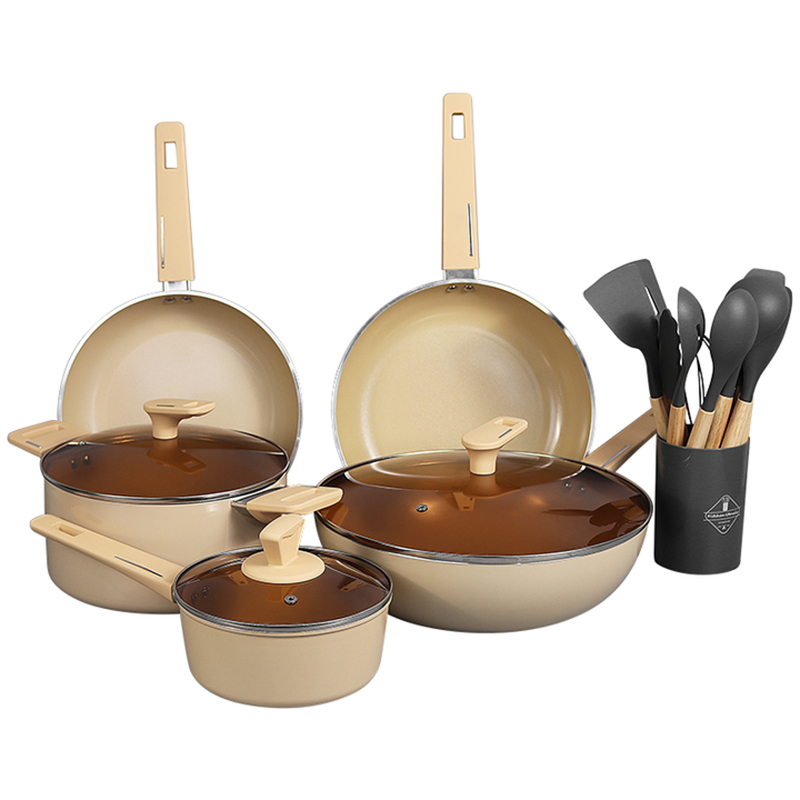
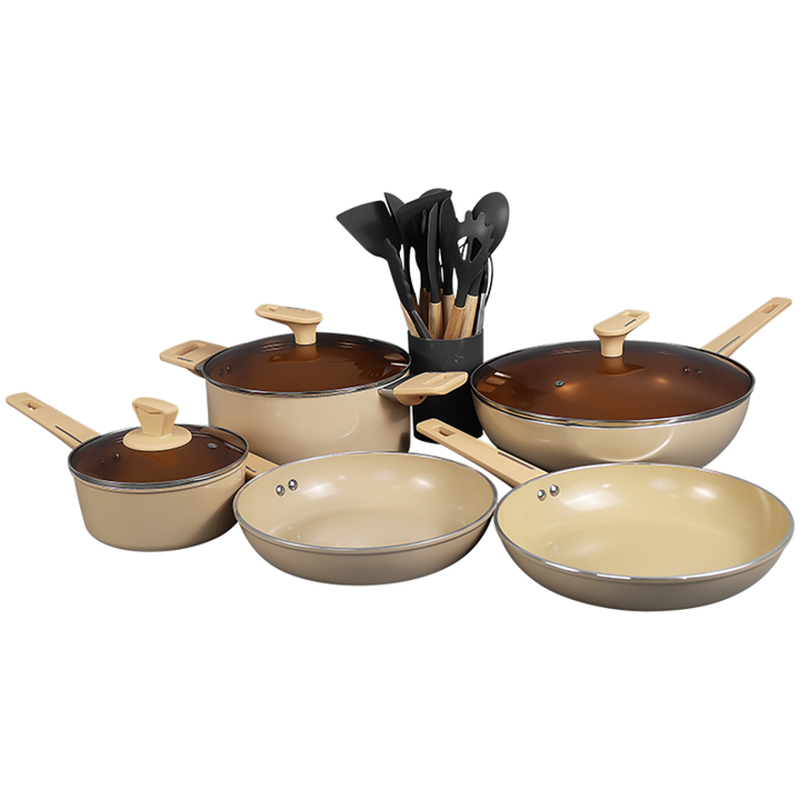
View MoreNon-stick kitchen pans are cookware designed with a special coating that prevents food from sticking during cooking. Typically made of aluminum or stainless steel, these pans are coated with materials like Teflon or ceramic, making them easy to clean and ideal for low-oil cooking. They are widely used for frying eggs, pancakes, and other delicate foods. Non-stick pans help reduce the need for excessive oil or butter, promoting healthier meals. It is important to use wooden or silicone utensils to avoid damaging the surface. With proper care, non-stick pans can be a convenient and long-lasting addition to any kitchen.
Die-cast aluminum cookware is widely used in home and professional kitchens due to its balance of durability and heat conductivity. Made by injecting molten aluminum into a mold under high pressure, this cookware offers a dense and uniform structure that supports even heat distribution. This feature helps reduce hot spots and allows for more consistent cooking results.
One of the key advantages of die-cast aluminum cookware is its relatively light weight compared to traditional iron options. This makes it easier to handle, especially when cooking larger meals. Additionally, many pieces come with non-stick coatings that simplify food release and cleaning, though care should be taken to avoid metal utensils that may scratch the surface.
Die-cast aluminum is also known for its ability to heat quickly, which can contribute to time-saving in the kitchen. It is commonly used for frying pans, saucepans, griddles, and casseroles. Some models feature ergonomic handles and lids with vents to allow for steam control during cooking.
To maintain die-cast aluminum cookware, it is recommended to avoid sudden temperature changes and to wash by hand with mild soap and a soft sponge. While not always dishwasher-safe, proper care can extend its usability. For those seeking efficient cookware with good heat distribution, die-cast aluminum offers a practical choice suitable for a variety of cooking styles.
Iron pots and pans have been a traditional choice in kitchens for many generations. Known for their heavy construction, these items are appreciated for their ability to retain and distribute heat evenly, which supports slow cooking and simmering.
Typically made from cast iron, these pots and pans can be used on stovetops, ovens, and even open flames. They are versatile tools suitable for tasks like searing meat, making stews, and baking. When properly seasoned, iron cookware develops a natural surface that helps reduce sticking and enhances flavor over time.
Iron cookware is valued for its long lifespan. With regular care, it can be used for years and may even improve with continued use. Seasoning is an essential step in maintaining these pots and pans. This involves applying a thin layer of oil and heating it to create a protective layer that helps prevent rust and provides a semi-non-stick surface.
Although iron cookware can be heavy and requires special care, such as handwashing and immediate drying to avoid rust, it remains a reliable option for many kitchens. It is especially suitable for recipes that benefit from slow and steady heat.
In daily use, iron pots and pans can support a range of cooking methods. With proper maintenance, they offer consistent performance and can become a valued part of home cooking routines.


NEWDREAM: +86 13646697735
HUANGXUKITCHENWARE: +86 19557954954


Donggao Fenghuangshan Industrial Zone, Tongqin Town, Wuyi County, Jinhua City, Zhejiang Province, China
Copyright © Wuyi Huangxu Industry & Trade Co., Ltd. All Rights Reserved.
Non-Stick Kitchen Pans Manufacturer

 English
 русский
 日本語
日本語 Español
 Deutsch